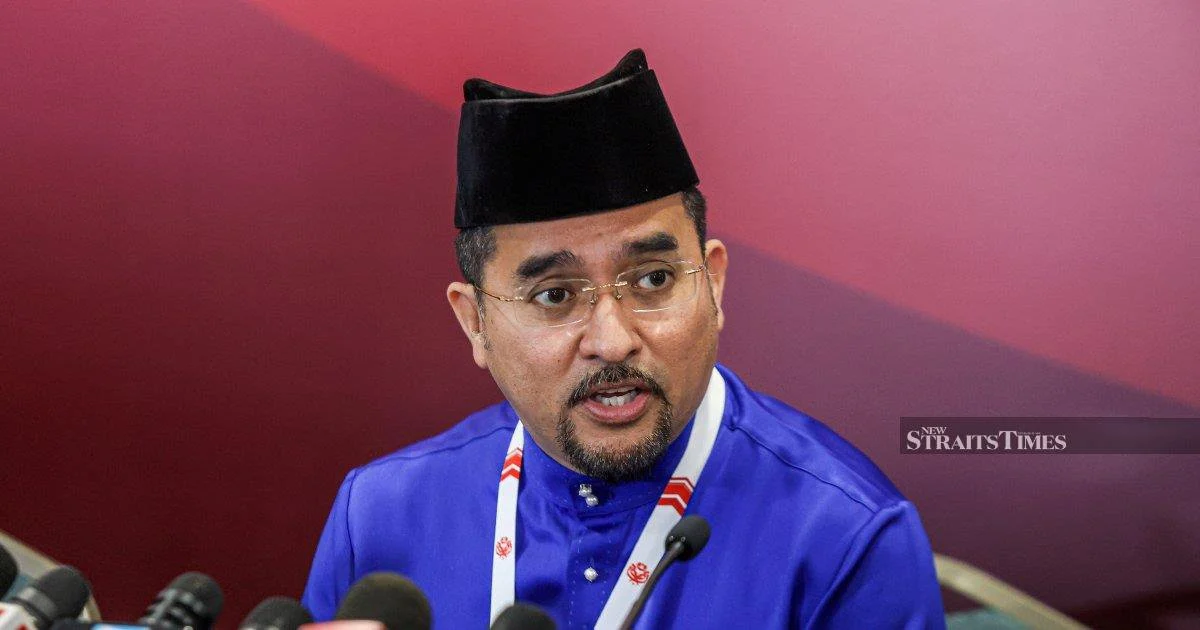
The anticipated announcement of Barisan Nasional's slate of candidates for the Johor state election faced postponement due to a thorough and demanding vetting procedure, according to Umno secretary-general Datuk Dr Asyraf Wajdi Dusuki. The coalition's leadership has emphasized that the extended timeline reflects its commitment to selecting qualified and suitable contenders rather than rushing the nomination process ahead of the critical regional contest.
In Malaysian politics, the candidate selection process represents one of the most sensitive undertakings for political coalitions and parties. The quality of nominated representatives directly influences public perception and electoral performance, making the vetting phase crucial for parties seeking to maintain or expand their parliamentary and state legislative presence. For Barisan Nasional, which has long positioned itself as a mainstream, establishment coalition, careful scrutiny of potential candidates sends a signal about organizational discipline and governance standards.
The decision to implement stringent checks on prospective candidates aligns with broader coalition management challenges. Barisan Nasional comprises multiple component parties with varying interests and constituencies, requiring coordination mechanisms to balance representation equitably among partners. The Johor election holds particular significance given the state's economic importance and its role as a traditional BN stronghold, though recent electoral results have demonstrated increased political volatility even in traditionally safe territories.
Candidate vetting typically encompasses several dimensions: assessment of academic qualifications, professional backgrounds, financial integrity, personal conduct, and community standing. Such scrutiny aims to prevent nominations that could become liabilities during campaigning or create governance complications should candidates successfully contest and win their seats. Additionally, thorough evaluation helps shield the coalition from potential scandals or controversies that might emerge post-nomination, damaging the broader party brand.
The timing of candidate announcements significantly influences campaign momentum and strategizing. Delays in unveiling the full slate can frustrate party machinery members who require clarity for grassroots mobilization, yet premature announcements risk inadequate preparation or incomplete due diligence. Datuk Dr Asyraf Wajdi Dusuki's explanation suggests that Barisan Nasional prioritized thoroughness over speed, a position that reflects confidence in eventual electoral performance while potentially frustrating those anticipating earlier campaign commencement.
For Johor specifically, the stakes extend beyond state-level governance. The state constitutes multiple federal constituencies and maintains substantial economic influence within Malaysia's overall development trajectory. A BN performance here carries implications for national political calculations and coalition stability. Strong Johor results reinforce the coalition's relevance in mainstream Malaysian politics; conversely, significant setbacks could embolden opposition movements and complicate federal-level political dynamics.
The Malaysian electorate has increasingly demonstrated willingness to vote differently across national and state contests, and even within state elections across various constituencies. This volatility necessitates more sophisticated candidate selection to maximize appeal across diverse voter segments. Barisan Nasional's insistence on rigorous vetting may reflect appreciation for this changed political environment, where candidates require broader appeal and stronger communication skills than previously demanded.
Component party dynamics within Barisan Nasional further complicate candidate selection. Umno holds the largest stake, but component parties including Malay-majority partners and representatives of various ethnic communities require proportionate representation to maintain coalition cohesion. Satisfying these internal balance requirements while simultaneously adhering to strict competency standards extends the selection timeline considerably.
The transparency around reasons for delays demonstrates political communication awareness. Rather than allowing speculation about internal disputes or candidate controversies to circulate unchecked, Umno's senior leadership proactively attributed postponement to procedural rigor. This framing attempts to cast the delay positively as evidence of organizational strength and governance commitment rather than dysfunction.
Regionally, Southeast Asian coalitions frequently grapple with similar candidate selection challenges. Thailand, Philippines, and Indonesia all feature multiparty coalitions managing representation while maintaining quality standards. Barisan Nasional's approach, emphasizing thoroughness despite temporal costs, reflects patterns observable across established coalition systems in the region.
Looking ahead, the eventual candidate announcement will provide concrete information about Barisan Nasional's strategic priorities for the Johor contest. The composition of the final slate—including incumbent retention rates, new faces, and portfolio adjustments—will signal which constituencies the coalition considers most competitive and where leadership believes improvement is possible.
For Malaysian observers and political analysts, the Johor election represents a crucial midterm assessment of Barisan Nasional's recovery trajectory and ongoing relevance. The rigor invested in candidate selection will ultimately be judged against electoral outcomes, making the quality of eventual nominees consequently vital to the coalition's political fortunes and Malaysia's broader multiparty competitive landscape.