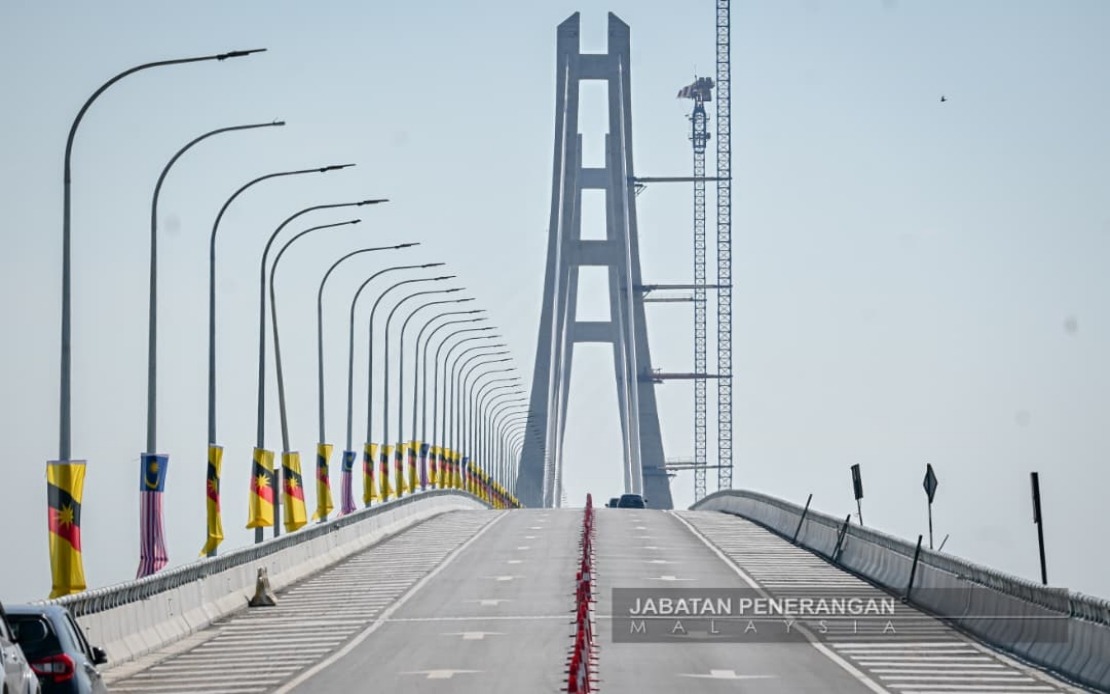
Sarawak has reached a pivotal moment in its infrastructure transformation with the official opening of the Batang Lupar 1 Bridge, a 4.844-kilometre structure that Sarawak Premier Tan Sri Abang Johari Tun Openg says will fundamentally reshape the state's coastal development trajectory. Constructed at a cost of RM848.75 million, the bridge represents far more than a simple crossing—it symbolises the culmination of sustained community advocacy and represents a major component of the broader Sarawak Second Trunk Road initiative designed to modernise regional connectivity.
The strategic importance of this infrastructure project cannot be overstated for Malaysia's eastern region. Previously, residents of Sebuyau, Betong, Sri Aman and Samarahan relied entirely on ferry services to traverse the Batang Lupar River, creating significant bottlenecks for commerce, agriculture and daily movement. The bridge now provides the first direct vehicular link connecting these coastal communities to Kuching and beyond, eliminating a dependence that has constrained development and exposed residents to the hazards of maritime travel. According to Sarawak Deputy Premier Datuk Amar Douglas Uggah Embas, the ferry crossing could consume up to an hour under normal conditions, with weather disruptions frequently rendering the route unreliable or unusable entirely.
The elimination of ferry dependency addresses longstanding safety and logistical concerns that have plagued the region. Historical maritime incidents at the river mouth, triggered by strong winds and waves, underscore why local elected representatives across multiple electoral cycles pressed consistently for a permanent bridge solution. This grassroots pressure translated into concrete policy action, demonstrating how persistent community engagement can influence major infrastructure allocation decisions at state level.
The bridge's designation by the Malaysia Book of Records as Malaysia's longest river-spanning structure acknowledges not only the engineering achievement but also establishes Sarawak's credentials as a progressive state investing in large-scale modern infrastructure. This recognition carries symbolic weight within national development narratives, positioning Sarawak alongside other states executing transformative projects while demonstrating technical capacity to execute projects of significant complexity and scale.
The most immediately tangible benefit emerges in dramatically shortened travel times between Sarawak's major urban centres. The completed bridge, as part of the larger Sarawak Coastal Road network, will reduce the journey distance between Kuching and Sibu from 396 kilometres to 252 kilometres—a reduction of 144 kilometres representing a substantial cut to fuel costs, transport time and vehicle wear for both commercial and private users. For agricultural producers seeking to move perishable goods to market, this efficiency gain translates directly into improved profitability and reduced spoilage rates.
The broader context involves the RM3.21 billion Sarawak Coastal Road network initiative, of which this bridge forms an integral component. Deputy Premier Uggah, holding the Infrastructure and Port Development portfolio, projects full completion of this coastal highway project by 2030, suggesting a phased rollout of further transformative infrastructure across multiple districts. This timeline indicates sustained commitment to coastal development rather than isolated project completion, implying that communities along this corridor can anticipate continued investment and improvement.
Economically, the bridge creation unlocks previously constrained agricultural potential across the region. Sebuyau, Betong and surrounding districts possess productive agricultural sectors that faced severe marketing constraints due to transportation limitations. With direct road access now available, farmers can access broader markets, reduce logistics costs and capture greater margins on agricultural produce. This efficiency should stimulate intensification of farming activities and attract agribusiness investment seeking to establish processing or value-addition facilities closer to production sources.
The coastal corridor connecting these previously isolated communities now attracts commercial and industrial interest previously deterred by transportation barriers. Manufacturing facilities, distribution warehouses and service centres now find locating in these coastal districts considerably more viable when supply chain movements operate on predictable schedules rather than ferry-dependent timelines. State planners evidently anticipate that improved connectivity will catalyse diversified economic development beyond agriculture.
For Malaysian policymakers observing infrastructure strategy, the Batang Lupar 1 Bridge demonstrates the political sustainability of major regional infrastructure projects that address documented community needs and historical constraints. Unlike prestige projects sometimes criticised as disconnected from grassroots economic necessity, this bridge emerged from sustained local advocacy, giving it genuine constituency support. This foundation may explain why the project proceeded to completion despite considerable cost—local populations understood and supported the investment rationale.
The project also reflects Sarawak's increasing infrastructure sophistication and financial commitment to eastern Malaysian development. As Peninsular Malaysia continues attracting capital investment, Sarawak's visible commitment to modern infrastructure signals to both domestic and international investors that the state remains focused on competitive positioning within national development hierarchies. This competitive infrastructure narrative carries importance for attracting talent retention and encouraging Malaysian companies to establish regional headquarters or operational centres in Sarawak.
Regional implications extend across Southeast Asia's transportation networks. As Sarawak develops more efficient internal coastal connectivity, the state positions itself as a more attractive logistics hub for companies seeking to consolidate Southeast Asian operations. Improved internal road networks reduce transaction costs for businesses operating across multiple Sarawakian locations, creating agglomeration benefits that compound as additional infrastructure improvements materialise across the 2030 timeline.
The completion of Batang Lupar 1 signals that Sarawak's ambitious coastal development agenda, while extended over a decade-long timeline, represents genuine policy commitment rather than aspirational rhetoric. As subsequent phases of the Sarawak Coastal Road project advance toward completion, stakeholders across the coastal corridor—farmers, merchants, manufacturers and residents—should anticipate cumulative economic benefits extending across the entire 2025-2030 implementation period.

