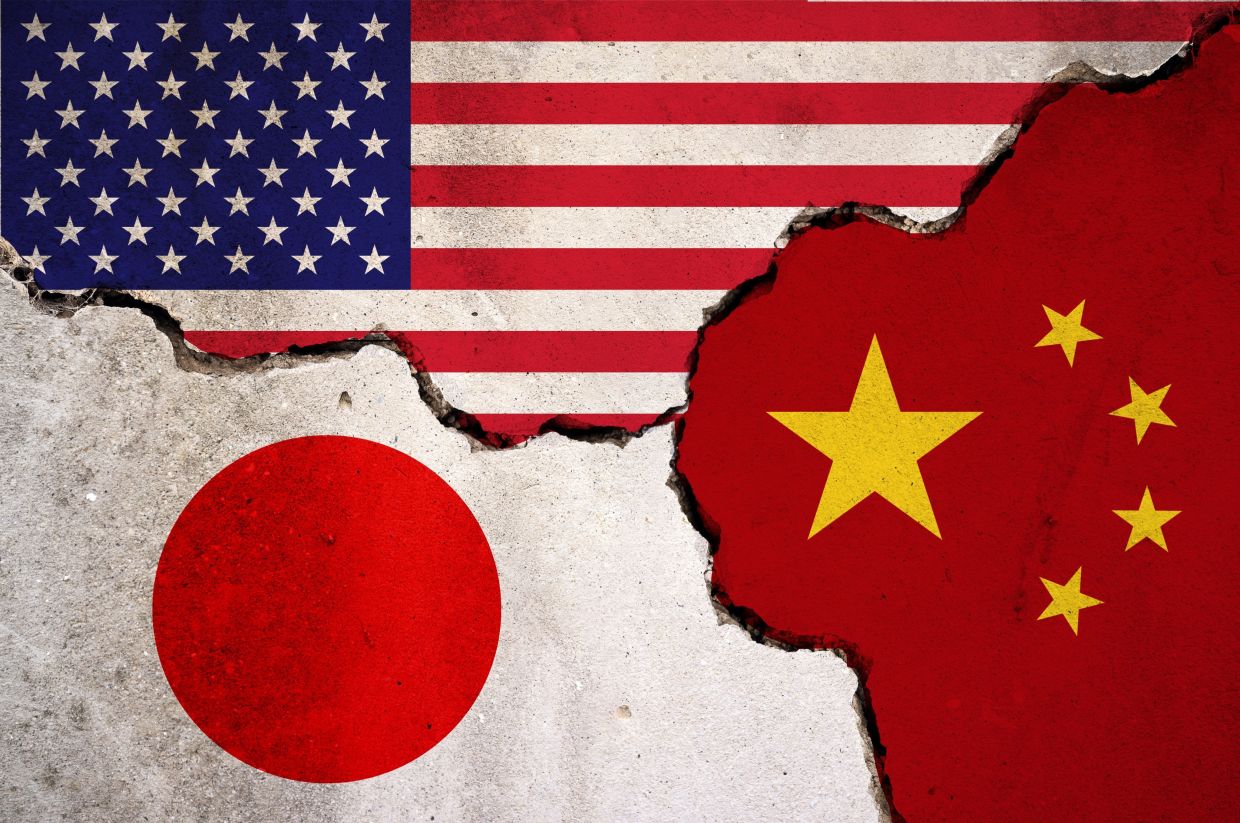
Tension in the Asia-Pacific region has intensified as Beijing escalates pressure on Tokyo through economic measures and diplomatic isolation, while Washington's response remains notably muted. The strain between these two key regional powers reflects broader anxieties about the durability of alliance structures that have underpinned stability in East Asia for decades. Over the past seven months, China has implemented successive rounds of punishment targeting Japan, triggering what analysts describe as a growing sense of betrayal in Tokyo. The underlying causes trace back to November, when then-newly elected Japanese Prime Minister Sanae Takaichi made explicit statements that any military action by Beijing against Taiwan would constitute a survival-threatening situation for Japan. Her willingness to articulate this strategic reality, rather than remaining within the bounds of carefully managed diplomatic ambiguity, provided Beijing with a justification for retaliation.
Takaichi's comments proved particularly incendiary in Beijing, which views public statements affirming Japan's interest in Taiwan's security as crossing a fundamental red line in Chinese foreign policy. The timing of her remarks—made to Japanese lawmakers with characteristic directness—left no room for the diplomatic face-saving that usually allows both sides to move past such moments. Beijing responded with a series of retaliatory measures, including restrictions on rare earth exports and other economic curbs imposed in January. These measures struck at vulnerabilities in Japan's economy and demonstrated China's willingness to weaponise trade relationships for political objectives. What proved equally significant, however, was Washington's response to these developments, which analysts and Japanese officials characterise as insufficiently robust.
The apparent reluctance from the Trump administration to forcefully defend a treaty ally has left Japanese officials in an uncomfortable position. Jeremy Chan, a senior analyst at Eurasia Group, explains that Japan faces a delicate balancing act: officials would naturally prefer more vocal public support from Washington against Chinese economic coercion, yet they simultaneously fear that overt complaints about Beijing's pressure could invite escalated attacks. There is also concern that publicly appealing for American assistance might be perceived internationally as a sign of weakness. This diplomatic quandary has forced Japanese officials to pursue their interests through quieter channels, escalating private appeals to Washington across multiple levels of government, from cabinet discussions to legislative forums. What began as isolated requests has evolved into a sustained campaign seeking American intervention to ease Beijing's economic restrictions.
Yet according to sources familiar with these discussions, the Trump White House has treated the Japanese appeals with far less urgency than Tokyo believes the situation warrants. Descriptions of meetings characterise American officials as listening politely before moving the conversation forward, with one source summing up the dynamic as "Japan wants this ... Next subject." While Trump has raised the issue of China's rare earth restrictions with Chinese President Xi Jinping, the overarching impression conveyed to Japanese interlocutors is that this matter ranks among many lower priorities in American strategic thinking. The lack of urgency has bred what sources describe as a "simmering dissatisfaction" among Tokyo's leadership, a sentiment that could prove consequential for alliance cohesion during a critical period for regional security.
Multiple factors help explain the Trump administration's apparent indifference to Chinese economic pressure on Japan. The most immediate involves Washington's preoccupation with Middle Eastern conflicts, particularly the Iran war initiated following coordination between Trump and Israeli Prime Minister Benjamin Netanyahu. This strategic reorientation has forced the administration to redirect military resources and anti-missile systems away from East Asia toward the Persian Gulf, creating a practical constraint on America's capacity to focus on regional Asian tensions. However, since Takaichi made her Taiwan comments in November, well before the Middle East conflict escalated in February, this explanation provides only partial understanding of Washington's tepid response. Analysts at the Brookings Institution and other research institutions point instead to a combination of factors rooted in Trump's personality and political circumstances.
As a self-described transactional leader, Trump views diplomacy and alliance relationships through a lens fundamentally different from his predecessors. His expanding list of domestic difficulties—including declining popularity ratings and economic pressures ahead of midterm elections—may incline him toward viewing the Japanese situation as an opportunity for strategic positioning rather than a crisis demanding immediate response. By declining to vigorously defend Japan against Chinese coercion, Trump may calculate that such restraint strengthens his hand with Beijing in potential future negotiations or a proposed Washington summit. Jeffrey Moon, former National Security Council member and head of China Moon Strategies, suggests that Trump views "regional security as a card that he can play," using his silence on Japan's circumstances alongside his statements about Taiwan to extract concessions elsewhere.
Trump's long-standing skepticism toward traditional alliances compounds this dynamic. Throughout his political career, he has characterised allied nations as freeloaders benefiting disproportionately from American security commitments while contributing insufficiently to mutual defence. This framing persists despite Japan's considerable recent efforts to answer American calls for increased defence spending and investment in new military capabilities specifically designed to counter Chinese expansion. Japan has implemented substantial defence budgets and pursued strategic partnerships precisely to demonstrate its commitment to shared security objectives, yet these initiatives appear to have done little to shift Trump's fundamental outlook. Chan notes that Tokyo's emphatic response to requests for greater defence contributions renders Washington's current lack of support particularly disappointing to Japanese policymakers, who believed their actions would strengthen alliance bonds.
Another dimension complicating the diplomatic picture involves Trump's open frustration that Japan, NATO members, and European allies failed to provide substantial assistance in the Persian Gulf crisis. During a White House meeting with Takaichi in March, when asked why he had not consulted allies about war plans beforehand, Trump responded dismissively and subsequently denied requiring their assistance. This attitude reflects a fundamental misunderstanding of how alliance systems function—or perhaps a deliberate rejection of conventional alliance logic in favour of transactional calculation. The issue will likely resurface at the NATO summit scheduled for Turkey, where allied contributions to American strategic objectives will presumably feature prominently in discussions. Trump's grievance over insufficient allied support provides an additional rationale for reduced American willingness to intervene on Japan's behalf regarding Chinese economic pressure.
Beyond strategic calculations, observers increasingly identify a more personal element shaping Trump's approach to international relationships and regional security concerns. Moon and other analysts note that Trump has become progressively more focused on matters directly affecting him personally during his second term, including family property holdings, cryptocurrency ventures, and various personal grievances. This inward focus has necessarily reduced bandwidth for geopolitical strategy and international coalition-building. Perhaps most notably, some analysts hint at Trump's historical attitudes toward women leaders potentially influencing his willingness to defend Takaichi, though such assessments venture into more speculative territory. What remains clear is that Trump's approach to regional security appears driven primarily by narrow personal and political interests rather than by broader considerations of American strategic advantage or alliance obligations.
The implications of this dynamic extend far beyond bilateral Japanese-American relations. The credibility of American security commitments across the entire Indo-Pacific region depends partly on demonstrated willingness to support treaty allies facing economic pressure and diplomatic isolation. If Tokyo perceives American support as conditional on Trump's personal political calculations or transactional benefits, Japan may rationally reconsider its strategic orientation. Some analysts have suggested that Japan's apparent willingness to tolerate greater defence responsibility reflects growing recognition that American guarantees cannot be taken as permanent fixtures. The current moment represents a critical test of whether alliance structures built over decades can withstand the centrifugal forces emerging from Washington's strategic incoherence and leaders like Takaichi's willingness to articulate previously unspoken truths about regional security requirements. How this situation evolves will signal to regional partners whether traditional American commitments retain meaning in an era dominated by transactional calculation and personality-driven decision-making.

