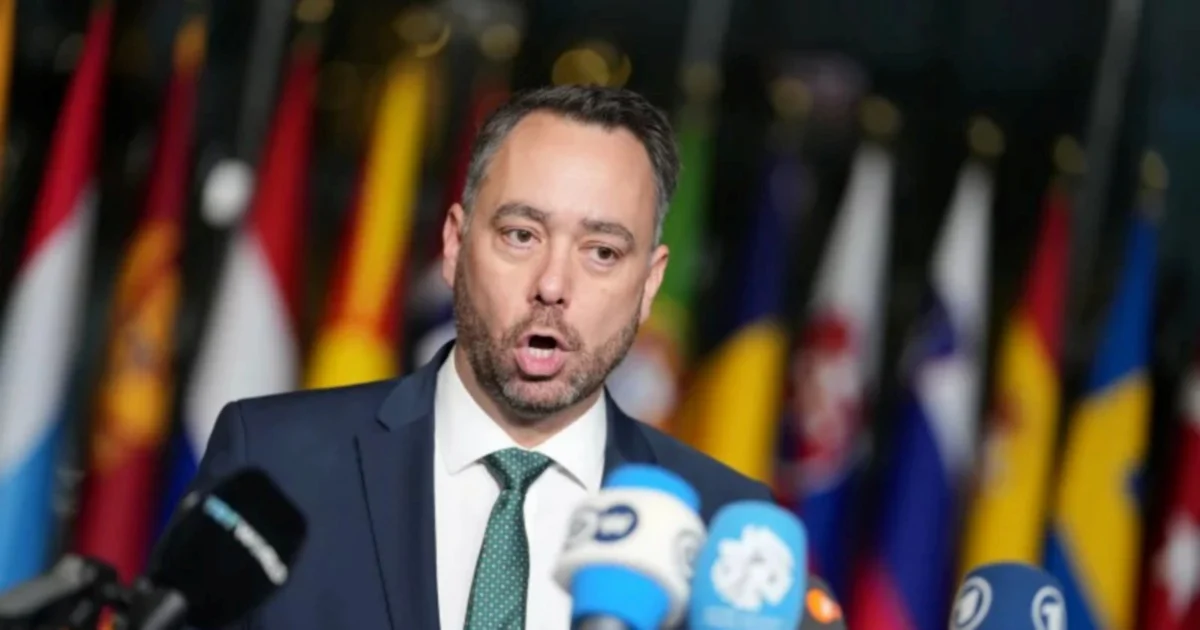
Belgium's Deputy Prime Minister and Foreign, European Affairs and Development Cooperation Minister Maxime Prevot will arrive in Malaysia tomorrow for a two-day official visit focused on deepening bilateral ties in strategic economic sectors, with renewable energy cooperation emerging as a key agenda item. The high-level delegation signals strengthened engagement between the European Union member and Southeast Asia's third-largest economy, reflecting growing interest in the region's energy transition initiatives.
The visit underscores Belgium's strategic pivot toward Asian markets as Europe grapples with energy security concerns and seeks to diversify its supply chains beyond traditional allies. For Malaysia, the engagement presents an opportunity to position itself as a hub for clean energy technology transfer and rare earth element processing, sectors where European expertise and investment could accelerate the nation's decarbonisation goals.
Renewable energy cooperation will likely dominate discussions, given Europe's aggressive climate commitments and Malaysia's growing renewable capacity targets. Belgium, as a densely populated industrialised nation heavily dependent on imported energy, has invested substantially in wind and solar infrastructure whilst maintaining nuclear generation. Malaysian officials may seek to leverage this experience as the country expands its renewable energy mix beyond its traditional hydropower and fossil fuel reliance, with particular interest in offshore wind development and solar manufacturing capabilities.
The rare earth elements dimension adds significant weight to the talks. Malaysia has historically played a marginal role in global rare earth supply chains, but renewed European interest in securing stable sources outside China reflects mounting geopolitical pressures. European manufacturers of green technologies—electric vehicles, wind turbines, and renewable energy systems—depend heavily on rare earths for permanent magnets and specialty applications. Discussions may explore Malaysia's potential role in processing and refining these materials domestically, creating higher-value manufacturing opportunities rather than exporting raw materials.
Malaysia's halal industry represents another pillar of the bilateral agenda. As a global halal hub with certification infrastructure and expertise recognised across the Muslim world, Malaysia offers European companies a gateway to the estimated 1.8 billion-strong Muslim consumer market. Belgium, home to major food and chemical companies, sees halal certification and products as a growth avenue, particularly given Europe's expanding Muslim population and rising consumer consciousness around ethical sourcing and religious compliance in food chains.
The timing of this visit reflects broader European strategic recalibration toward Southeast Asia. The Indo-Pacific strategy adopted by major EU powers positions the region as critical to maintaining open trade, supply chain resilience, and technological leadership amid US-China competition. Malaysia, with its strategic location, ASEAN leadership rotation experience, and balanced foreign policy, becomes an attractive partner for European powers seeking to maintain influence and secure economic interests in one of the world's fastest-growing regions.
For Malaysia, engaging with Belgium carries diplomatic weight beyond bilateral commerce. As Belgium holds significant influence within EU decision-making structures and hosts major European institutions, strong relations may facilitate market access, attract investment, and shape European policy perspectives on Southeast Asian issues. Enhanced ties could also provide Malaysia with technological partnerships and knowledge transfer opportunities critical for achieving its 2050 net-zero ambitions, a commitment increasingly important to global investors and trading partners.
The renewable energy sector presents the most immediate practical collaboration opportunity. Malaysia's installed renewable capacity remains modest relative to its potential, with abundant solar resources yet to be fully utilised and emerging offshore wind prospects. Belgian experience in maximising renewable generation within constrained geographic spaces could inform Malaysian policy design, whilst European investment firms may view Malaysian renewable projects as attractive opportunities offering stable returns in a strategically important market.
Rare earth processing development would require substantial infrastructure investment but could generate significant economic returns and employment. Currently, Malaysia's role in this supply chain remains underdeveloped, but establishing processing facilities could position the nation as a critical link in European supply chains for green technology manufacturing, enhancing economic resilience and reducing European dependency on potentially unstable sources.
The halal industry angle deserves particular attention for Malaysian stakeholders. With halal-certified products commanding premium prices globally and consumer demand growing steadily, Belgian companies seeking to develop or distribute halal products could partner with Malaysian exporters, research institutions, or certification bodies. This collaboration could strengthen Malaysia's brand as a standards-setter whilst opening European distribution channels for Malaysian halal producers.
Bilateral engagements of this nature typically result in memoranda of understanding or formal cooperation frameworks rather than immediate large-scale agreements. However, such documents provide institutional scaffolding for longer-term relationships, research partnerships, and investment flow. European companies often follow government diplomatic initiatives, using official visits as signals of political stability and commitment that justify commercial risk-taking.
This visit also contextualises Malaysia within Europe's broader Southeast Asian engagement strategy. As Vietnam, Indonesia, and Thailand attract competing attention, Malaysia must demonstrate distinctive strengths—its halal expertise, manufacturing capabilities, energy resources, and geopolitical reliability—to remain attractive to European investors and policymakers navigating increasingly complex international economic relationships.

