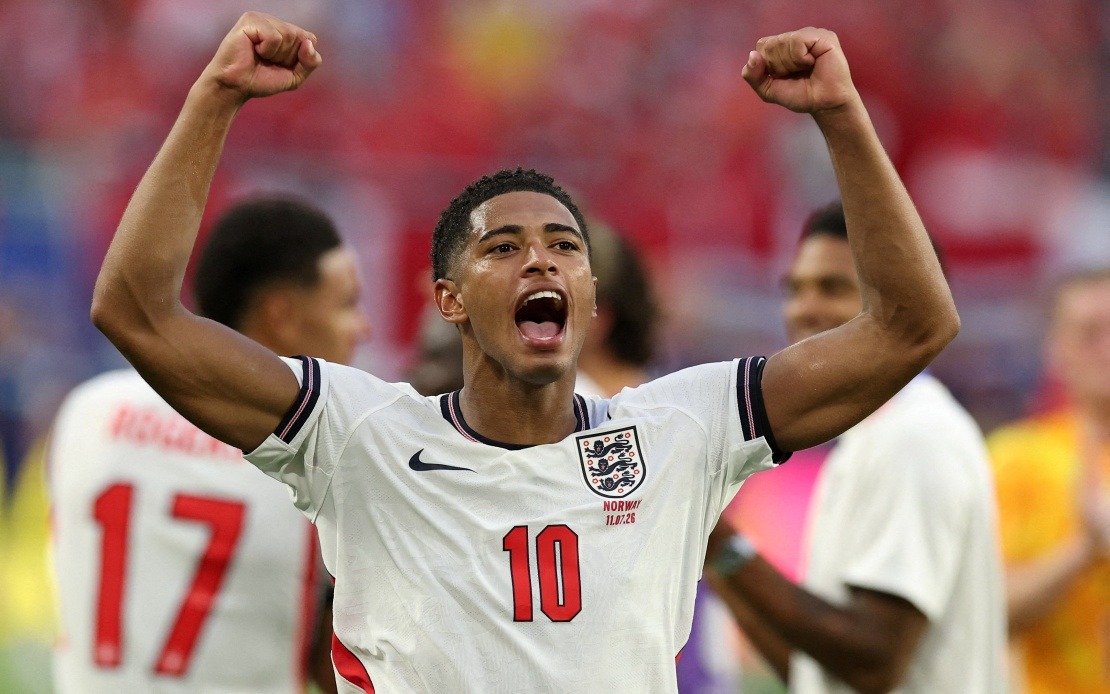
England advanced to the semi-finals of the 2026 FIFA World Cup on Saturday with a thrilling 2-1 extra-time victory over Norway at Miami Stadium, powered by a clinical double from Real Madrid midfielder Jude Bellingham. The result marked a remarkable turnaround for Thomas Tuchel's squad, who found themselves trailing after the opening half but demonstrated the resilience required to compete at the highest levels of international football. Bellingham's two-goal haul, combined with England's defensive resilience in crucial moments, ensured the Three Lions will compete for a place in the final against either Argentina or Switzerland.
Norway opened the contest with genuine threat and seized the initiative in the 36th minute when Andreas Schjelderup produced an accomplished finish past England goalkeeper Jordan Pickford. The Scandinavian side's early pressure suggested they would pose sustained problems for the English defence, but Bellingham's response before the interval shifted the momentum decisively. The 21-year-old collected Anthony Gordon's through pass, created separation within the penalty area, and despatched a precise low drive that restored parity immediately before half-time. The equaliser represented exactly the type of composed finishing that has made Bellingham instrumental to England's campaign.
The second half proved equally competitive, with both nations seeking to establish control. Norway came perilously close to reclaiming the lead in the 53rd minute when Erling Haaland connected with a Julian Ryerson cross, but Pickford demonstrated exceptional reflexes to deflect the striker's downward header away from danger. Two minutes later, Norway believed they had scored again when Torbjorn Heggem capitalised on a defensive lapse to fire past Pickford, yet the Video Assistant Referee system intervened to protect England's interests. The decision hinged on Haaland's use of both hands to shove Elliot Anderson during the buildup, and the referee correctly determined the infraction merited disallowance despite Norway's protests.
With neither team penetrating decisively during the 90 minutes, extra time became the decisive arena. Bellingham seized his moment in the 93rd minute when Morgan Rogers unleashed a fierce shot from outside the penalty area that Norway goalkeeper Orjan Nyland could only parry unconvincingly. The Real Madrid midfielder reacted with predatory instinct, reaching the loose ball before any defender and finishing from close range to confirm England's passage to the semi-finals. This second goal exemplified the clinical execution that separates tournament winners from also-rans, and it sent English supporters into raptures while crushing Norwegian hopes.
The quarter-final result represents a watershed moment for Norwegian football, despite their defeat. Norway had never previously advanced beyond the group stages of a World Cup tournament in the modern era, making this quarter-final appearance their finest achievement in the competition's 96-year history. Their previous best performance came at France 1998 when they reached the round of 16, while they had also achieved that stage in 1938. For a nation of just 5.5 million inhabitants to reach the last eight of a World Cup demonstrates the competitive depth and tactical organisation they have developed under their current management structure.
England's pathway to the final now becomes clearer, albeit still extraordinarily challenging. The Three Lions face whichever team emerges from the confrontation between defending champions Argentina and Switzerland. This semi-final will represent England's first appearance at this stage since the 2018 edition in Russia, when they fell to Croatia after extra time. Since winning their only World Cup title on home soil in 1966, England has endured a 60-year drought without capturing the trophy again. Saturday's victory moved them within two victories of ending that painful wait and delivering the prize their supporters have craved for six decades.
Thomas Tuchel's tactical acumen proved decisive in navigating the complexities of this fixture. England's willingness to remain patient despite falling behind, combined with their ability to transition swiftly when opportunities presented themselves, created the template for their comeback. The deployment of attacking midfielders willing to press high while maintaining defensive shape forced Norway into defensive decisions that ultimately favoured the English objectives. Bellingham's positioning and movement exemplified the modern midfielder's requirement to combine creativity with clinical finishing.
For Malaysian and Southeast Asian observers, this match illuminated several instructive principles about international football at its highest level. The importance of maintaining composure when facing setbacks, the value of defensive discipline even when pursuing victory, and the necessity of converting chances when opponents falter all featured prominently in England's triumph. Norway's disappointing outcome despite creating legitimate scoring opportunities underscores how fine the margins become in knockout football, where precision and timing often determine advancement.
England's semi-final prospects depend significantly on their recovery from this intense encounter. The physical demands of extra-time football, combined with the psychological intensity of knockout competition, require careful management of player fatigue and injury prevention during the interregnum. Squad rotation and strategic rest will become paramount as the tournament progresses toward its climax. For Norwegian football, this quarter-final appearance should provide a foundation for future development, demonstrating they can compete with elite nations while identifying specific areas requiring refinement.
The 2026 World Cup has produced compelling theatre thus far, with established powers and emerging challengers creating narratives that will resonate throughout the global football community. England's advancement adds further intrigue to the competition's final stages, guaranteeing that followers across Southeast Asia will watch with interest as the tournament moves toward crowning a new champion or confirming the supremacy of a returning force.

