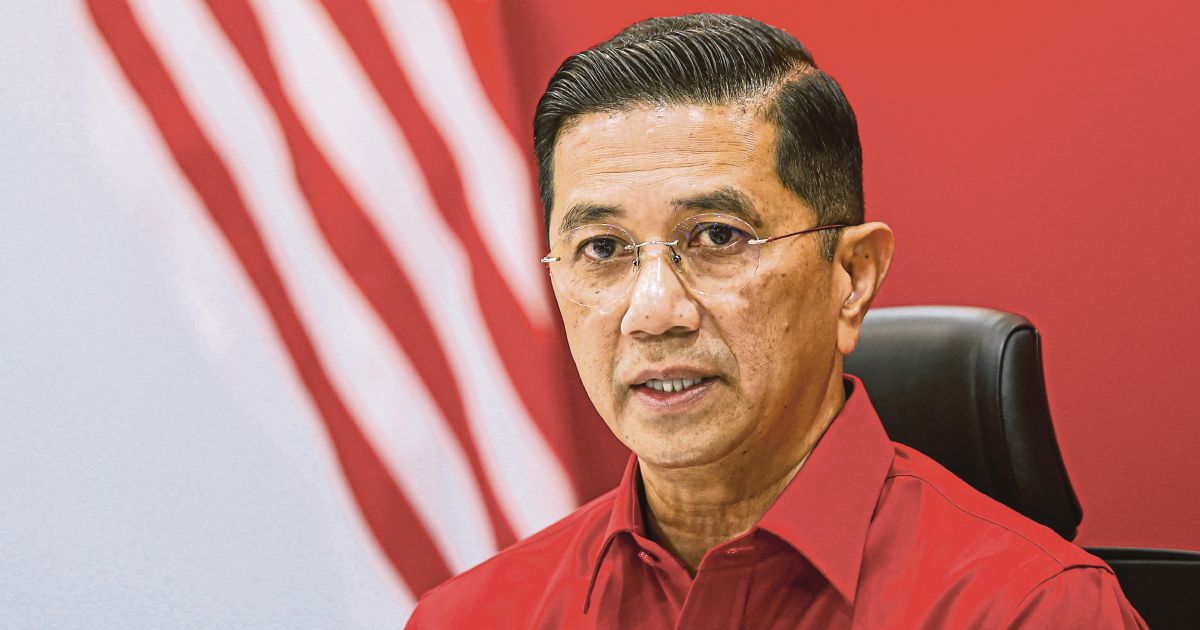
Bersatu has moved to counter PAS president Tan Sri Abdul Hadi Awang's assertion that the party has effectively withdrawn from Perikatan Nasional, disputing the notion that membership in the coalition was automatically terminated by Tan Sri Muhyiddin Yassin's recent pronouncements regarding the formation of a new political alliance.
The dispute centres on competing interpretations of Bersatu's formal standing within PN, with each side offering contrasting legal and procedural arguments about what constitutes an official exit from the coalition. Tan Sri Abdul Hadi Awang had suggested that Muhyiddin's statements about establishing an alternative grouping amounted to a de facto dissolution of Bersatu's PN membership. Bersatu's leadership, however, maintains that no such automatic mechanism exists under the coalition's governing framework, and that any formal departure would require explicit notification and adherence to established procedures.
This disagreement reflects broader tensions within Malaysia's fragmented political landscape, where coalition membership has become increasingly fluid and subject to interpretation. The question of whether a party's public statements about pursuing new alliances constitute binding legal withdrawal from existing partnerships remains contentious. Bersatu's position suggests that mere discussion of alternative arrangements does not automatically sever formal ties, a stance that carries implications for how Malaysian political coalitions operate going forward.
The timing of this dispute is particularly significant given the volatility that has characterised Malaysian politics since the 2022 general election. Both Bersatu and PAS have been central figures in multiple coalition formations and realignments, making the question of membership status more than merely procedural—it carries real consequences for parliamentary representation, funding allocation, and the distribution of ministerial positions among member parties. The outcome of how this particular disagreement is resolved could establish precedent for future coalition disputes.
Muhyiddin's recent announcements regarding coalition formation have been interpreted variously by different political actors. While some observers viewed his statements as signalling Bersatu's intention to pursue a separate political direction, others regarded them as exploratory discussions about potential alliances that would coexist with existing commitments. This ambiguity has created space for the competing claims now being made by Bersatu and PAS, each side selecting interpretations that serve their institutional interests.
For Malaysian readers, the practical significance of this dispute lies in what it reveals about the underlying instability of the country's coalition frameworks. Both PN and any potential successor arrangements depend on member parties honouring their commitments and following transparent procedures for their decisions. When parties dispute whether they have formally left a coalition, it raises questions about the clarity and enforceability of the arrangements that underpin Malaysian governance.
The PAS position, articulated through Tan Sri Abdul Hadi Awang, reflects a particular reading of political intent—that Muhyiddin's public statements constituted sufficient notice of Bersatu's departure. Bersatu's counterargument emphasises the distinction between political positioning and formal procedural requirements. This difference highlights how political coalitions in Malaysia operate partly through explicit rules and partly through conventional understandings that are not always written down, creating opportunities for disagreement.
Within the broader Southeast Asian context, Malaysia's coalition politics have become notably unstable compared to other regional democracies. The frequency with which Malaysian parties shift allegiances and the disputes that arise from these shifts point to underlying weaknesses in how coalition agreements are structured and documented. The Bersatu-PAS disagreement exemplifies how vague exit mechanisms and unclear procedures can generate prolonged disputes that distract from substantive governance issues.
The dispute also illuminates questions about party leadership and decision-making authority. Muhyiddin's ability to make pronouncements about forming new coalitions without apparently triggering automatic PN exit suggests either that Bersatu's formal status within PN remains ambiguous or that individual leaders possess significant autonomy in their public positioning. Either scenario raises governance concerns for the coalition as a whole.
Looking ahead, how PN's leadership and legal structures address this disagreement will influence the durability of future coalition arrangements involving these parties. If disputes about membership status become commonplace and difficult to resolve, the cost of political cooperation in Malaysia will rise, potentially making stable multi-party governance more difficult to achieve. Conversely, if clearer procedures and more transparent documentation of coalition commitments emerge from this experience, it could strengthen the institutional foundations of Malaysian coalition politics.
The outcome remains uncertain as both Bersatu and PAS maintain their respective positions. The resolution of this dispute, whether through negotiation, legal interpretation, or political pressure from other stakeholders, will provide clarity about the rights and obligations that bind Malaysian coalition members. Until that resolution occurs, questions about whether Bersatu remains part of PN will likely continue to surface in political discourse and may complicate efforts to form or sustain stable governing arrangements.

