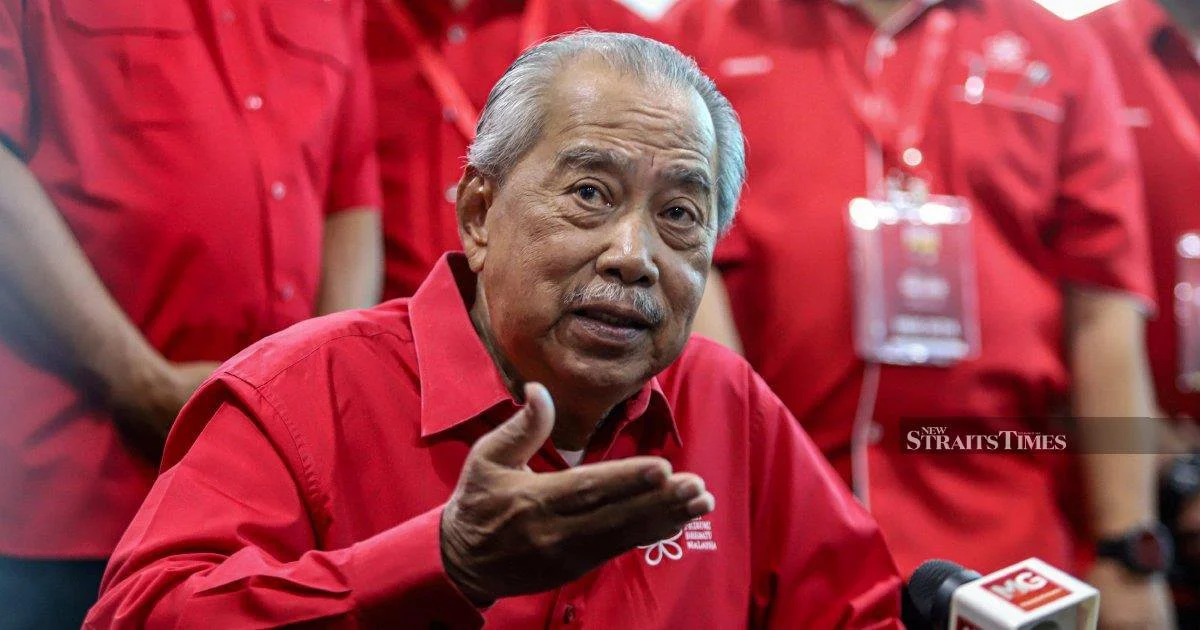
Bersatu has publicly expressed its disappointment with Pas over the Islamic party's decision to engage in direct political negotiations with Barisan Nasional, viewing such discussions as a breach of coalition protocol within the Perikatan Nasional alliance. The move, which excluded other PN member parties from the negotiating table, has created fresh tension within the coalition as the region heads towards polling day in Negri Sembilan.
The timing of the dispute is significant, occurring in the run-up to state-level elections where coalition unity typically becomes paramount. By sidelining other PN partners, Pas has effectively pursued an independent political strategy that cuts against the principle of collective decision-making that ostensibly binds the three-party alliance together. This unilateral approach raises broader questions about the stability of PN as a governing coalition and its capacity to maintain internal cohesion when facing electoral challenges.
From Bersatu's perspective, such bilateral talks undermine the foundational structure of the coalition arrangement. When one component party negotiates directly with a rival bloc without consulting allies, it creates asymmetries in information, commitment, and strategic positioning that can weaken the entire alliance. Bersatu's complaint reflects a legitimate concern that Pas may be pursuing interests that diverge from the collective PN agenda, potentially at the expense of partner parties.
Barisan Nasional, Malaysia's traditional political establishment, has long sought to rebuild its influence through bilateral negotiations with individual parties rather than dealing with coalitions as unified blocs. This approach allows BN to exploit divisions within alternative alliances and negotiate separately favourable terms with parties that might be persuadable to shift allegiance or cooperation. Pas's willingness to engage in such talks independently suggests either confidence in its own political standing or frustration with PN's overall direction.
For Negri Sembilan specifically, the state election represents a critical test of both PN's solidarity and BN's capacity for electoral recovery. The state has traditionally been competitive, and the performance of individual parties within coalitions often determines outcomes. Pas's independent diplomacy with BN during this period sends mixed signals to voters about whether the Perikatan alliance is genuinely committed to a unified platform or whether component parties are hedging their bets through back-channel negotiations.
Bersatu's public criticism also reflects its own position within PN. As the party led by former Prime Minister Muhyiddin Yassin, Bersatu carries significant weight in the coalition but has not always exercised dominant influence. By voicing displeasure over Pas's exclusionary approach, Bersatu is reasserting its role as a principal architect of PN strategy and signalling that unilateral moves by any partner will not go unchallenged. This positioning matters for internal hierarchy and influence within the alliance.
The broader context involves deeper fault lines within Perikatan Nasional that have been evident since the coalition's formation. Pas has consistently maintained a distinct Islamic identity and conservative agenda that sometimes conflicts with the more development-focused orientation of Bersatu and PKR. These philosophical and political differences occasionally surface in disputes over strategy, candidate selection, and coalition positioning. The current controversy reflects these underlying tensions in concrete form.
For Malaysian voters and observers, the Bersatu-Pas friction illustrates the inherent fragility of multi-party coalitions built on convenience rather than deep ideological alignment. While PN succeeded in forming government after the 2020 elections, maintaining internal discipline and preventing opportunistic bilateral negotiations with rival blocs remains a persistent challenge. Each state election or federal political manoeuvre provides opportunities for partners to defect or pursue separate interests.
The electoral dynamics in Negri Sembilan will partly depend on how effectively these coalition tensions are managed or resolved before voting takes place. Voters tend to punish coalitions that appear divided or incoherent, viewing internal squabbles as evidence of poor governance and dysfunctional leadership. The current Bersatu criticism of Pas, while justified on procedural grounds, risks becoming public evidence of coalition dysfunction if the parties cannot present a united front.
Regionally, the PN coalition's difficulties have implications for Southeast Asian politics more broadly. As Malaysia navigates complex multi-party coalitions and factionalised politics, other regional democracies face similar challenges in maintaining alliance cohesion. The mechanics of how PN manages internal disputes offers lessons about the structural vulnerabilities of coalition governance when parties maintain autonomy over key decisions.
Moving forward, the immediate question is whether Bersatu and Pas can resolve their disagreement and reassert collective decision-making within the coalition framework. This would likely require explicit agreements about consultation protocols and joint position-taking in all major negotiations. Without such mechanisms, similar disputes will recur, gradually eroding coalition credibility. The Negri Sembilan election will test whether PN can function as a coherent political force despite these internal frictions.

