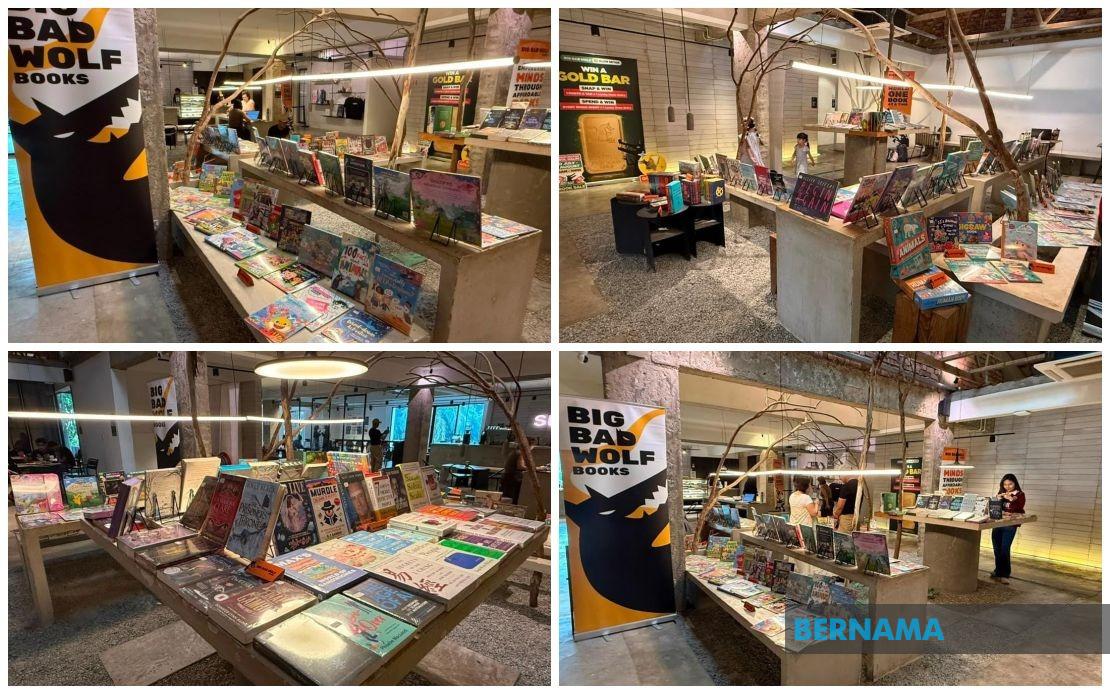
Malaysia's largest book fair, Big Bad Wolf Books, is preparing for another major regional push as it sets up operations in Alor Setar from July 30 to August 9, bringing what organisers describe as a curated selection designed to cater to the diverse reading preferences of Kedah's population. The 11-day event represents a strategic expansion of the popular platform that has built its reputation on democratising access to literature across the country, with a particular emphasis on affordability and selection that reaches beyond urban centres.
According to Chloe Lim Sooi Yee, a representative of Big Bad Wolf Books, the Alor Setar edition will feature 40 per cent new titles compared to previous iterations of the fair, a deliberate refresh intended to maintain visitor interest and provide both returning customers and newcomers with material they may not have encountered at earlier editions. This rotation strategy reflects the fair's understanding that book enthusiasts who attend multiple events expect freshness and discovery, while also acknowledging that different regions may have distinct literary preferences.
Beyond the standard offering, the fair will introduce a significant addition by bringing Islamic children's books under the 'Little Ummah' label to Kedah for the first time. This curation decision reflects broader market trends toward faith-informed educational materials and suggests organisers view Kedah as receptive to this niche category. The inclusion signals that Big Bad Wolf Books is moving beyond a purely commercial model toward one that considers cultural and religious representation in its inventory selection.
The sheer scale of the operation underscores the fair's operational capacity. One million books will be available across the Sultan Abdul Halim Stadium venue, with pricing anchored at RM3 as an entry point and escalating for premium titles. The discount structure, which can reach as high as 95 per cent off recommended retail prices, operates according to Big Bad Wolf Books' core value proposition—that cost should not be a barrier to reading. This pricing philosophy has proven instrumental in building the fair's following across multiple socioeconomic segments.
Venue logistics are designed for accessibility and extended engagement. Daily operating hours from 10 am to 10 pm accommodate working professionals, students, and families with varying schedules, while free admission removes another friction point that might discourage casual browsers from attending. The choice of Sultan Abdul Halim Stadium, a major public venue, ensures adequate space for crowd management during peak periods and projects an image of institutional support for literacy initiatives.
Beyond the transactional aspect of selling books, Big Bad Wolf Books positions itself as an instrument of cultural policy, framing its activities as part of a broader literacy movement. According to Lim, the fair serves the dual purpose of promoting reading culture while supporting Kedah's cultural and educational aspirations. This positioning resonates with state-level policy initiatives that prioritise education and knowledge dissemination as pathways to development, effectively aligning the commercial event with public interest narratives.
The fair's engagement with educational institutions represents another strategic dimension. Big Bad Wolf Books plans to conduct school promotions leading up to the event, while offering an additional five per cent discount to students and teachers who purchase at least three books. This tiered incentive system recognises schools as gatekeepers of reading culture and seeks to embed the fair within educational ecosystems rather than positioning it as purely recreational. Such partnerships create multiplier effects as educators recommend attendance to students and parents.
The 'spend and win' and 'snap and win' campaigns introduce gamification elements designed to extend visitor dwell time and encourage larger purchases. The prize—a 10-gramme gold bar—carries both monetary value and cultural significance, as gold remains symbolically important in Malaysian contexts. Campaigns of this nature have proven effective at driving repeat visits and generating social media engagement, particularly when winners share their experiences through digital channels.
Big Bad Wolf Books has established a visitor target of 35,000 attendees across the 11-day run, a figure that reflects both confidence in local demand and an understanding of realistic capacity constraints within the stadium venue. This projection suggests expectations of roughly 3,200 daily visitors, sustainable across operating hours and manageable in terms of crowd density. Achieving this target would generate substantial revenue while establishing the fair as a significant cultural event on Kedah's annual calendar.
The Alor Setar edition illustrates a broader pattern in Malaysia's cultural economy, where private commercial operators function effectively as public-facing cultural institutions by providing services and experiences that state resources have not fully addressed. Big Bad Wolf Books fills a genuine demand for affordable books and curated browsing experiences, particularly outside major metropolitan areas. For readers in Kedah, the fair represents an opportunity to acquire titles at costs substantially below typical retail while accessing breadth of selection that most physical bookstores cannot sustain.
From a regional perspective, the continued expansion of Big Bad Wolf Books into secondary and tertiary cities signals confidence in the sustainability of mass-market book retail despite digital competition. The model suggests that books retain cultural and commercial value when priced accessibly and presented as experiential leisure activities rather than purely as commodities. The inclusion of faith-based children's literature reflects demographic considerations and market segmentation strategies that recognise not all readers seek identical content.
The fair's emphasis on affordability addresses a documented challenge within Malaysia's reading economy—that book prices relative to average incomes create barriers to regular consumption. By disrupting conventional retail pricing through bulk purchasing power and high-volume operations, Big Bad Wolf Books enables readers across income strata to maintain active engagement with print culture. This democratisation function, while commercially motivated, carries secondary benefits for literacy and educational outcomes across socioeconomic lines.

