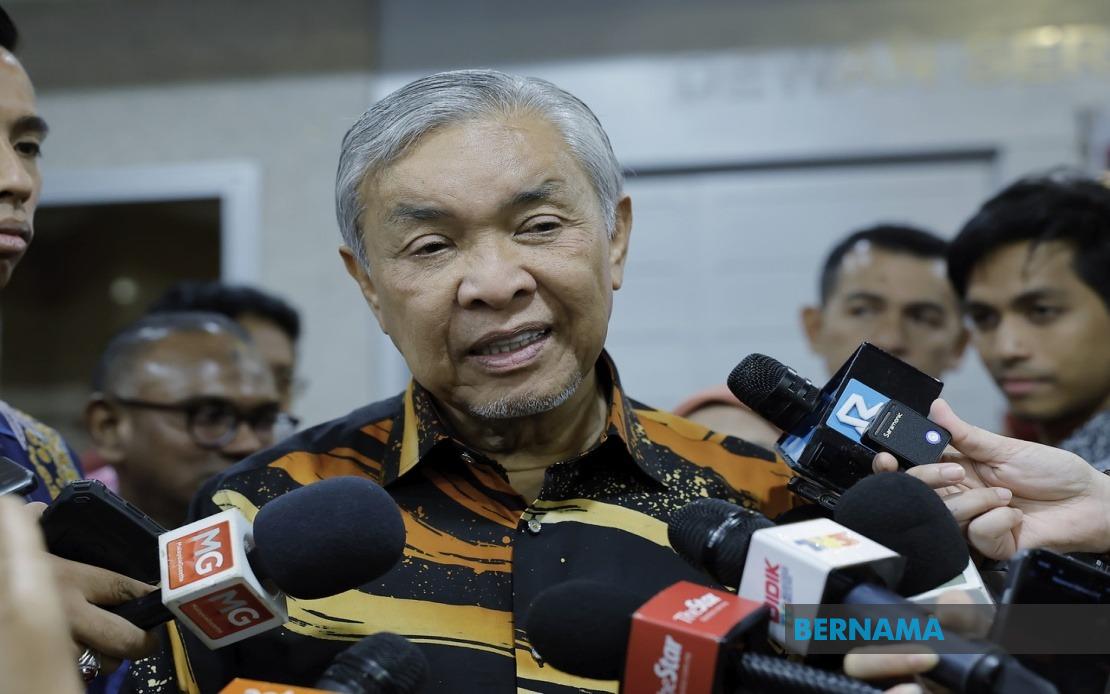
Deputy Prime Minister and Barisan Nasional chairman Datuk Seri Dr Ahmad Zahid Hamidi has issued a stark warning that neither the ruling coalition nor UMNO will countenance any misconduct or mismanagement within Lembaga Tabung Haji, signalling intensifying pressure on the Islamic pilgrimage fund following the release of a highly critical Royal Commission of Inquiry report. Speaking after a Rural and Regional Development Ministry gathering in Putrajaya, Ahmad Zahid underscored that anyone implicated in wrongdoing or misadministration at government agencies and statutory bodies must face the full weight of accountability, with no room for compromise or leniency.
The statement comes as parliament prepares for a special session on August 11 to debate the findings of the Royal Commission of Inquiry into Tabung Haji's management and operations. Released on July 29, the RCI report paints a troubling picture of the fund's stewardship during the 2014-2020 period, documenting suspicious transactions, concealment of information, and investment decisions that precipitated a substantial erosion of Tabung Haji's asset base. The commission has recommended a forensic audit to scrutinise the previous investment choices that triggered this financial deterioration.
Tabung Haji's circumstances have become a focal point for questions about governance in Malaysia's critical institutions, particularly given the fund's role as custodian of savings from millions of Muslim pilgrims preparing for the Hajj journey. The institutional failures identified by the inquiry represent more than administrative lapses; they strike at the heart of public trust in how sacred religious endowments are managed. For many Malaysians, especially lower and middle-income contributors, Tabung Haji represents a dedicated savings mechanism and a spiritual commitment, making breaches of fiduciary responsibility especially egregious.
Ahmad Zahid's characterisation of accountability as non-negotiable reflects a broader political calculation within the BN-UMNO coalition. With public confidence in state institutions already strained by previous corporate scandals and governance lapses, the leadership appears intent on demonstrating decisiveness and intolerance for malfeasance. However, the credibility of such commitments will hinge on whether investigations lead to meaningful consequences for those responsible, rather than remaining symbolic gestures.
The RCI's discovery of information concealment and questionable transactions raises immediate questions about the decision-making processes that prevailed at Tabung Haji during the investigation period. The scale of asset value decline suggests systemic issues rather than isolated incidents, pointing towards either gross negligence or deliberate mismanagement at institutional governance levels. A forensic audit, as recommended, would presumably dissect investment rationales, approval mechanisms, and the roles of key decision-makers during the critical years when Tabung Haji's financial position deteriorated.
For Malaysian Muslims and the broader investing public, the RCI report's implications extend beyond historical accountability to current and future fund management practices. Restoring confidence will require not only identifying and penalising wrongdoing but also implementing structural reforms to prevent recurrence. The parliamentary debate scheduled for August 11 will provide an opportunity to examine what corrective measures are being contemplated, including changes to governance structures, board composition, investment oversight mechanisms, and internal audit capabilities.
The timing of Ahmad Zahid's comments reflects the heightened political attention surrounding Tabung Haji as the special parliamentary session approaches. By frontloading statements on accountability, the leadership seeks to preempt criticism that the government or ruling coalition might shield implicated officials from consequences. Such positioning is particularly important given Malaysia's history of corporate governance failures that have occasionally been perceived as lacking adequate follow-through on accountability measures.
Regionally, Tabung Haji's governance challenges carry relevance for other Southeast Asian nations managing Islamic finance instruments and pilgrimage-related funds. The RCI inquiry methodology and findings could inform comparable investigations elsewhere in the region, particularly in jurisdictions seeking to strengthen oversight of religious endowments and faith-based financial institutions. Malaysia's willingness to conduct a transparent public inquiry and debate its findings publicly contributes to a regional discourse on institutional integrity.
The forensic audit recommendation assumes particular importance given that it represents a technical investigation mechanism potentially capable of uncovering layers of complexity that standard audits might miss. Such audits typically involve specialists in fraud detection, financial reconstruction, and transaction tracing, tools essential for understanding how significant asset value could have deteriorated without triggering earlier intervention. The parliamentary debate will likely scrutinise both the scope of the proposed audit and the timeline for its completion.
Moving forward, the credibility of Ahmad Zahid's accountability pledge will be measured against concrete outcomes. This includes whether investigations produce prosecutions, whether board members or officials face consequences commensurate with the gravity of the misconduct, and whether systemic reforms actually materialise. For Malaysian contributors to Tabung Haji and the broader public, actions will ultimately matter more than rhetoric. The parliamentary session on August 11 will provide the first opportunity to assess whether political commitments translate into substantive legislative or institutional changes designed to prevent future governance failures.

