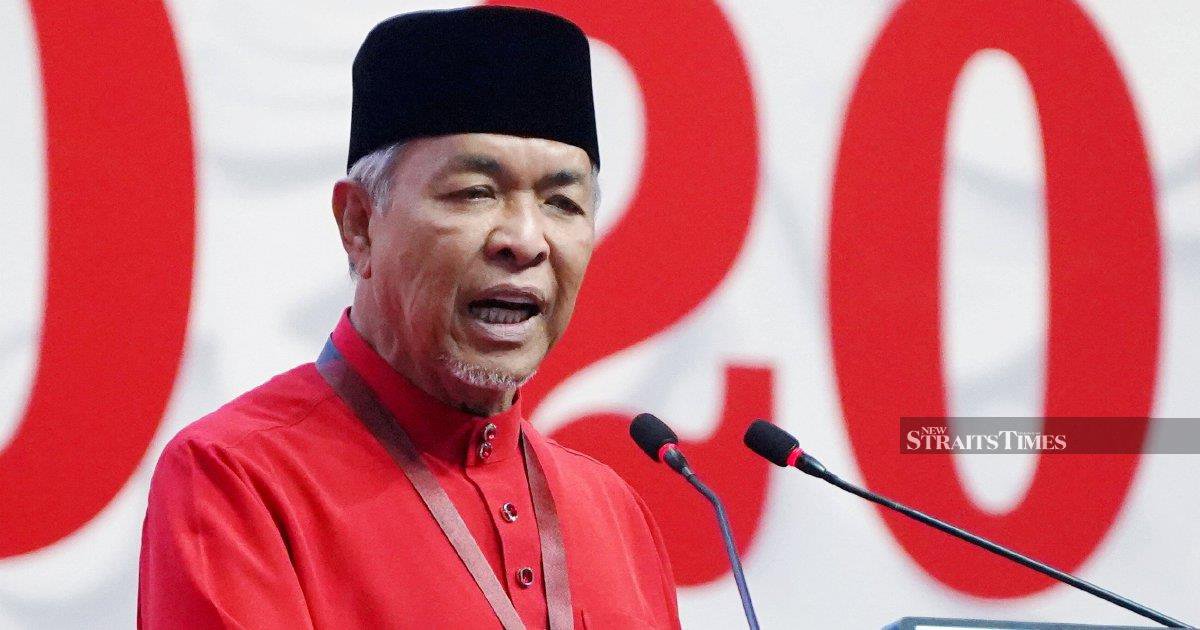
Barisan Nasional and Umno will not shield anyone found culpable by the ongoing Royal Commission of Inquiry into Tabung Haji, according to BN chairman and Umno president Datuk Seri Dr Ahmad Zahid Hamidi. Speaking in Putrajaya, Zahid made clear that party affiliation will not protect individuals or entities discovered to have engaged in misconduct, violated the public trust, or overseen deficient management practices at the Islamic pilgrimage savings fund.
The declaration carries significant weight given the controversy surrounding Tabung Haji's recent financial difficulties and governance questions. The fund, which manages savings for Malaysian Muslims undertaking the hajj pilgrimage, has faced scrutiny over its investment losses and operational management in recent years. The establishment of the RCI represents a formal acknowledgment that serious questions remain unanswered about how the institution has been administered.
Zahid's statement signals that BN intends to position itself as committed to accountability, a messaging priority for a coalition seeking to rebuild public confidence after years of corruption allegations and governance concerns. By pledging non-interference in the RCI process regardless of findings, the leadership aims to demonstrate that party loyalty will not trump the rule of law—a concern that has haunted Malaysian politics given the Umno party's historical entrenchment in governance structures.
For Malaysia's Muslim community, the Tabung Haji inquiry holds particular resonance. The fund serves as a savings mechanism for millions of ordinary Malaysians planning to fulfil the hajj obligation, making transparency in its management a matter of both financial and religious importance. Any discovery of improper conduct would directly affect public confidence in an institution that holds the savings of working and middle-class Muslims.
The RCI's mandate encompasses examining any potential criminal breaches of trust and governance shortcomings within the organization. Such inquiries typically examine both individual decision-makers and systemic failures, potentially implicating multiple officials across different periods. Zahid's preemptive statement that consequences will follow regardless of party affiliation creates political space for the investigation to proceed without claims of political interference.
Within the Umno party structure and broader BN coalition, such declarations also carry internal significance. They establish parameters for what party officials can expect if implicated in the inquiry's findings. This potentially affects how senior figures might position themselves relative to the investigation and signals that hierarchical party protection will not extend to those found at fault.
The timing of Zahid's remarks reflects broader efforts by the current BN leadership to differentiate itself from governance practices of the previous administration. Tabung Haji's difficulties emerged during earlier leadership periods, and a thorough, consequence-bearing investigation allows current party officials to address past failures without direct personal culpability while simultaneously demonstrating commitment to institutional reform.
Regionally, Malaysia's approach to investigating state institutions carries weight in a Southeast Asian context where questions about governance and institutional accountability remain politically sensitive. How effectively the RCI operates and whether its findings lead to meaningful consequences will influence public perception of Malaysia's anti-corruption efforts and institutional independence.
The distinction Zahid makes between various forms of wrongdoing—specifically naming individual misconduct, criminal breach of trust, and poor governance—reflects understanding that the RCI's findings might encompass different categories of failure. Some issues may involve deliberate personal enrichment, others may stem from systemic weaknesses or poor decision-making rather than criminal intent. The commitment to address all categories equally signals that even governance failures without criminal dimensions will face consequences.
For observers of Malaysian politics, Zahid's statement requires scrutiny regarding implementation. Previous commitments to accountability have sometimes encountered obstacles when powerful figures faced investigation or when political calculations shifted. The RCI's independence and the actual follow-through on Zahid's pledges will ultimately determine whether this represents a substantive commitment to institutional reform or political positioning.
The investigation itself is expected to examine multiple aspects of Tabung Haji's operations, including investment decisions, fund management practices, and administrative oversight. Given the institution's complexity and the number of officials who have held responsibility over relevant periods, the RCI's work will likely consume considerable time before delivering findings. Zahid's advance statement commits the party leadership to accepting whatever conclusions emerge, though actual implementation may prove more complicated depending on who is implicated.

