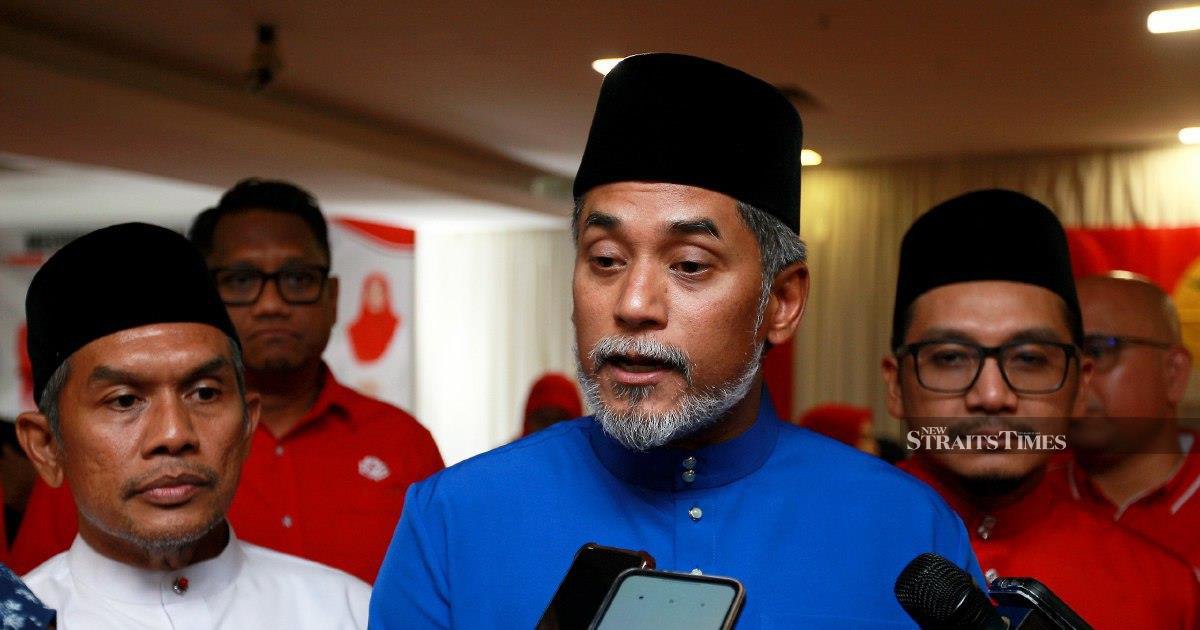
Khairy Jamaluddin, the former Umno Youth chief, has sounded an alarm about the electoral mathematics underpinning Malaysia's major coalitions in the forthcoming Negri Sembilan state election. Speaking in Shah Alam, he underscored the necessity of a united front between Barisan Nasional and Perikatan Nasional, arguing that failure to coordinate could prove catastrophic. His warning highlights a persistent tension in Malaysian politics: the tendency for Malay-Muslim votes to splinter when competing parties target the same demographic, allowing opposition candidates to slip through with minority support.
The observation carries particular weight given the historical dominance of both coalitions among Malay voters. In state elections across the peninsula, the concentration of this bloc remains a decisive factor. When major Malay-based parties—whether from BN or PN—run against each other in the same constituency, the fragmentation can overwhelm other electoral considerations. Khairy's argument suggests that strategic cooperation, rather than outright competition, would consolidate support more effectively. This logic has underpinned coalition agreements in past elections, where seat-sharing arrangements aimed to prevent precisely this scenario.
The Negri Sembilan state assembly represents a battleground where such dynamics could determine the outcome entirely. The state has long been a BN stronghold, with Umno-led governments dominating since independence. However, the emergence of Perikatan Nasional as a significant political force has complicated this landscape. If both coalitions field candidates independently across all constituencies, the resulting contest between Umno, Bersatu, PAS, and other component parties could genuinely fragment the Malay electorate. In multi-cornered contests, even a relatively modest opposition presence could capitalize on divided support among the majority population.
Khairy's warning reflects broader conversations within BN and PN about electoral strategy in 2024 and beyond. Both coalitions have experimented with various approaches: sometimes cooperating in specific states, sometimes competing. The tension between cooperation and competition remains unresolved at the national level, though recent trends suggest growing pragmatism. For Negri Sembilan specifically, his comments imply that party strategists recognize the danger of repeating patterns seen in other recent state elections where divided support among traditional coalition voters yielded surprising reversals.
The broader implications extend to how Malaysian voters themselves perceive political stability and governance. A landslide victory for either coalition would provide stronger mandates for state development. Conversely, a fragmented outcome could produce hanging state assemblies, minority governments, or coalitions formed post-election with unstable majorities. In Negri Sembilan, where economic diversification and infrastructure projects remain central to the state government's agenda, electoral clarity serves governance effectiveness. A decisive result would enable clearer policy direction compared to cobbled-together coalitions lacking internal coherence.
Regionally, the Negri Sembilan election also signals patterns relevant to other peninsula states. Several state assemblies will face elections in coming years, and the lessons learned from how major coalitions navigate coordination questions will shape subsequent contests. Southeast Asian observers of Malaysian politics often focus on such elections as barometers for institutional stability and the health of Malaysia's consociational democratic system. A state election characterized by clear majority mandates reinforces confidence in electoral institutions; one marked by confusion and post-poll bargaining can undermine it.
Khairy's intervention also reflects the complicated position of Umno and its allies within the contemporary political ecosystem. After the 2022 general election and subsequent events, Umno-led BN has sought to reassert dominance in heartland states. Yet Perikatan Nasional, comprising Bersatu and PAS among others, commands significant grassroots support in Malay-majority areas. The party dynamics mean that unilateral BN assertion of control carries political costs, while Perikatan's continued growth complicates power-sharing arrangements. This reality forces pragmatic accommodation rather than hierarchical arrangements of the past.
The voter behavior patterns Khairy references draw on substantial historical precedent. Malaysian state and general elections frequently demonstrate that Malay voters, while predominantly supporting either BN or PN component parties, do fragment when multiple Malay-based parties contest the same seat. This fragmentation has produced numerous surprises where opposition parties captured constituencies despite garnering fewer votes than the combined Malay-majority coalition tally. Understanding this dynamic has become essential for all parties' electoral planning, and Khairy's warning essentially reminds coalition strategists of this fundamental electoral truth.
For ordinary voters in Negri Sembilan, these coalition calculations translate into practical questions about representation and governance quality. A state government with a solid majority can implement long-term development plans; one reliant on fragile post-election alliances often finds itself consumed by internal management. The education, healthcare, and economic development priorities of Negri Sembilan residents depend partly on whether their elected representatives enjoy stable mandates or must constantly manage coalition tensions. From this perspective, Khairy's advocacy for BN-PN coordination becomes a plea for electoral clarity that serves constituents' interests.
Moving forward, the question of whether Barisan Nasional and Perikatan Nasional will formalize cooperation for the Negri Sembilan election remains open. Party leadership on both sides will weigh the political costs of accommodation against the electoral benefits Khairy identifies. His public intervention suggests that senior figures recognize the stakes involved and understand that uncoordinated competition could hand unexpected advantages to opposition forces. The response from other party leaders, and whether formal seat-sharing arrangements ultimately emerge, will shape not only Negri Sembilan's political future but offer insights into how Malaysia's two major coalitions plan to navigate the landscape beyond.

