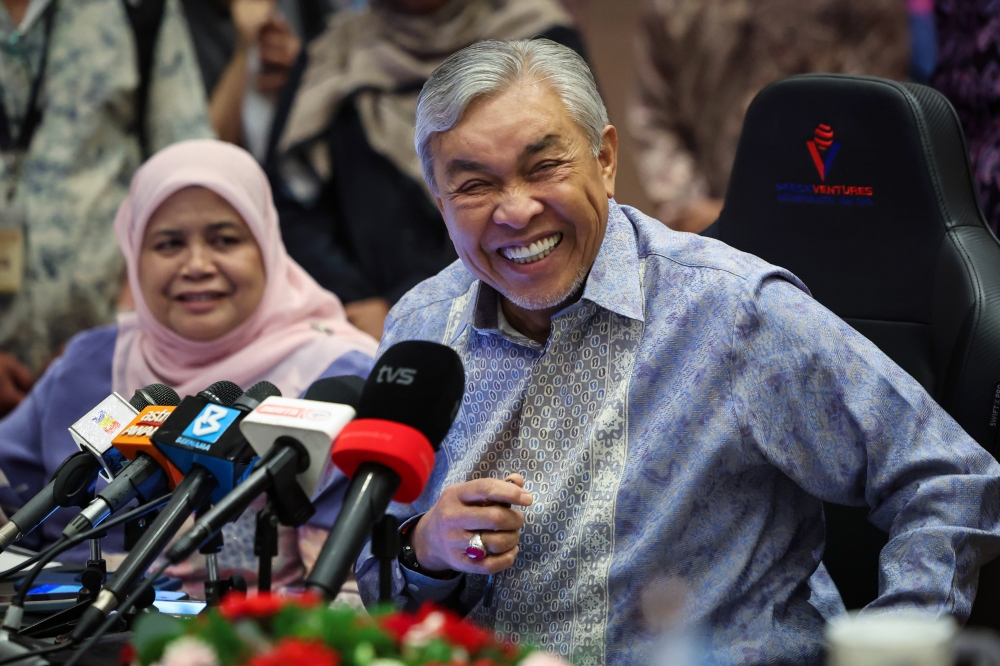
Barisan Nasional's leadership has reiterated its unwavering support for the Unity Government arrangement, signalling that the coalition will remain intact through to the conclusion of the current parliamentary term. The statement comes as speculation about potential shifts in Malaysia's political alignment has periodically surfaced, prompting party officials to definitively address concerns about the stability of the three-way partnership between BN, Pakatan Harapan, and other allied parties.
The commitment reflects the pragmatic political mathematics that have sustained Malaysia's governing framework since 2022. The Unity Government emerged as a stabilising force following the 2022 general election, when no single coalition secured an unambiguous majority, creating an environment where consensus-building became essential to effective governance. For BN, participation in this arrangement has offered both influence over policy direction and protection against electoral vulnerability that might arise from operating as an isolated opposition force.
Significance of this pledge extends beyond symbolic rhetoric. The ruling coalition has faced intermittent pressures that test its cohesion, ranging from differing approaches on governance priorities to occasional public disagreements between component parties on specific policy matters. By explicitly foreclosing talk of departure or realignment, BN's leadership aims to project confidence to both party members and the broader business and investor communities that depend on political stability for planning purposes.
The dismissal of speculation about alternative arrangements carries particular weight in Malaysia's political context. References to hypothetical Bangkok or Dubai manoeuvres appear to allude to scenarios where political transitions might occur without domestic parliamentary processes, perhaps through actions taken abroad. Such coded language reflects Malaysia's historical experience with dramatic political shifts and the contemporary concern among stability-conscious observers that unexpected coalition breakdowns could destabilise economic and administrative functioning.
For Malaysian readers, the implications centre on governance continuity and the trajectory of key policy areas. The Unity Government framework has enabled the administration to pursue legislative agendas that might have proven impossible under conditions of parliamentary deadlock. Infrastructure spending, economic stimulus measures, and regulatory reforms have proceeded with relative consistency because the coalition commands sufficient numbers to advance its priorities without constant brinkmanship.
Regionally, Malaysia's stable political positioning matters for ASEAN credibility and bilateral relationships. Neighbouring countries and international partners assess Southeast Asian stability partly through the lens of domestic governance capacity. A fractious or unpredictable Malaysian political environment creates uncertainty that can ripple through the region's investment climate and collaborative frameworks. The BN commitment to maintaining Unity Government coherence therefore extends beyond internal Malaysian concerns to affect the nation's positioning within broader regional dynamics.
The economic dimension merits emphasis as well. Multinational corporations and local enterprises structure long-term investment decisions based on assumptions about governmental continuity and policy predictability. Political instability—whether real or feared—raises the cost of capital and deters employment-generating foreign direct investment. BN's explicit assurance that coalition partners will remain aligned eliminates one category of political risk premium that might otherwise burden Malaysia's borrowing costs and competitive position for investment.
Within BN itself, the statement serves important internal management functions. The coalition comprises diverse component parties representing different demographic bases and geographic strongholds. Affirming commitment to the Unity Government provides reassurance to BN member parties that their participation serves productive purposes rather than representing a temporary expedient that might be abandoned if political calculations shifted. This addresses implicit anxieties within coalition structures about whether partners will remain loyal when circumstances change.
Looking forward, the trajectory of the Unity Government will depend on whether this rhetorical commitment translates into behavioural consistency when genuine tensions arise. The coalition's durability rests on whether component parties continue finding the arrangement preferable to available alternatives. As the 15th Parliament approaches its conclusion and the next general election draws nearer, maintaining this equilibrium will require ongoing negotiation and compromise among partners whose underlying electoral interests do not always perfectly align.
The timing of such reaffirmations also reflects the Malaysian political calendar. With parliamentary seats gradually transitioning through the cycle and various party congresses and leadership contests proceeding, periodic reminders about coalition stability serve to anchor member expectations and counter opportunistic speculation. Each explicit renewal of commitment builds momentum for continuation, making subsequent departures increasingly costly and therefore less likely.
Ultimately, BN's declaration embeds Malaysia's political class deeper into institutional arrangements premised on cooperation rather than competition. Whether this represents a permanent realignment of Malaysian politics or a transitional phase will depend on how the coalition performs on economic management, cost-of-living pressures, and the quality of governance it delivers to constituents across the country.

