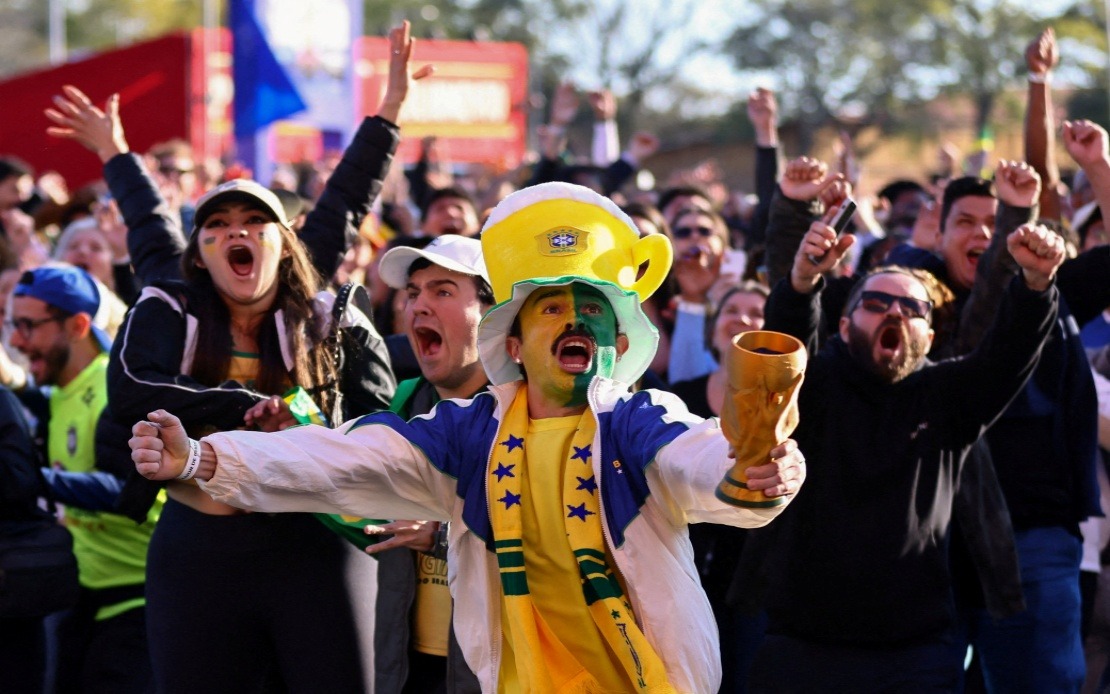
Brazil has progressed to the Round of 16 of the 2026 FIFA World Cup after a nerve-wracking 2-1 victory over Japan at Houston Stadium in the United States. The South American side produced a determined second-half performance to overturn an early deficit, with Japan's promising World Cup campaign ending in heartbreak as they came agonisingly close to securing their first knockout-stage appearance in the tournament's history.
The match began with Japan employing a well-organised defensive strategy, setting up in a compact 5-4-1 formation that proved highly effective at containing Brazil's attacking ambitions throughout the opening forty-five minutes. The Japanese side's disciplined approach restricted the space available for the Selecao's creative players to operate, particularly along the flanks where Brazil traditionally generates much of their attacking threat. Despite enjoying significant possession, Brazil found themselves unable to penetrate Japan's resolute defensive block, with their usually quick and incisive passing sequences becoming sluggish and predictable against such structured opposition.
Japan's defensive discipline yielded tangible reward when Kaishu Sano opened the scoring in the 29th minute with a clinical finish that caught the Brazilian defence completely unaware. After intercepting a loose pass from Danilo in midfield, Sano surged forward with purpose and unleashed a low drive from outside the penalty area that sailed past goalkeeper Alisson into the net. The goal represented Sano's maiden international strike and handed Japan a deserved advantage, reflecting the balance of play during the first period. As the teams headed into the interval, Japan's supporters could sense that their side stood just forty-five minutes away from achieving a historic World Cup milestone.
Brazil's manager Carlo Ancelotti orchestrated a notable tactical adjustment during the second half, pushing his side forward with considerably greater urgency and intensity. The reorientation proved immediately effective as Brazil began to probe Japan's defensive organisation more systematically, with dangerous deliveries into the penalty box becoming a consistent feature of their attacking play. The sustained pressure eventually yielded results in the 56th minute when Casemiro rose highest at the far post to power home a header from Gabriel Magalhaes' cross, restoring parity and igniting a wave of celebration among the Brazilian contingent in the crowd.
With the match appearing destined for extra time and a potential penalty shootout, Brazil delivered a devastating blow in the closing moments. In the 90+5th minute of added time, Bruno Guimaraes collected possession deep in Japanese territory and drove purposefully toward the edge of the area before executing a perfectly weighted pass into the path of Gabriel Martinelli. The winger composed himself and unleashed a low shot that squeezed past goalkeeper Zion Suzuki despite the Japanese custodian managing to get a hand to the ball. The goal sent Brazil into the knockout rounds while simultaneously extinguishing Japan's tournament hopes.
Japan's defeat brings to an end what had appeared to be a promising run in the competition, though the team's overall performance demonstrated their potential to compete at the highest level. The Samurai Blue had shown tactical astuteness and defensive resilience, creating genuine difficulties for one of world football's most celebrated attacking sides. However, the inability to capitalise on their first-half advantage and maintain their disciplined defensive structure throughout the entire ninety minutes ultimately proved costly.
For Brazil, the victory maintains their status as one of the tournament favourites and ensures they continue their quest for a sixth World Cup title. The manner of their comeback from a goalmouth behind demonstrates the character and quality that has long defined the Selecao, with their capacity to find goals in the latter stages of matches remaining a defining characteristic. Their second-round opponent will be determined by the outcome of the contest between Norway and Ivory Coast, providing the South Americans with an opportunity to assess their options before advancing further into the tournament.
The result carries broader implications for Asian football representation at the World Cup level. While Japan's exit is undoubtedly disappointing, their competitive showing against Brazil illustrates the continent's growing strength in international competition. Southeast Asian teams and nations across Asia will observe closely how other regional representatives navigate their own group-stage challenges, with the pathway to knockout success increasingly within reach for well-organised and tactically disciplined sides.
Brazil's progression ensures continued South American dominance in this iteration of the World Cup, reinforcing the continental balance that has characterised recent tournaments. As the competition moves into its knockout phase, the calibre of opposition will increase substantially, testing whether the Selecao's experience and quality can sustain their advancement toward the latter stages of the competition.

