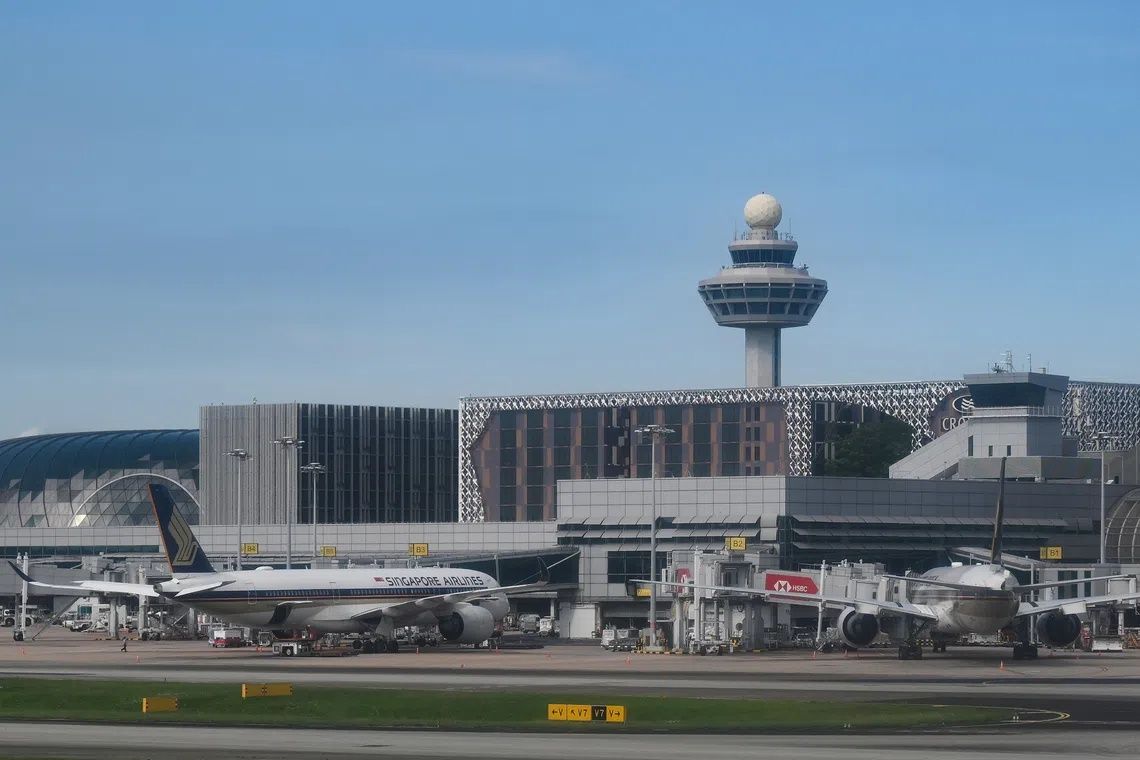
Singapore authorities plan to prosecute a 25-year-old British national following an incident that disrupted operations at Changi Airport's Terminal 1 and delayed a flight to Kuala Lumpur by 45 minutes. The police revealed the case details in a statement issued Tuesday, August 11, confirming that they had responded to reports of disruptive behaviour at a boarding gate on July 20 at approximately 4:05 pm. The incident highlights ongoing challenges airports across Southeast Asia face in managing passenger conduct and maintaining operational security, particularly involving intoxicated travellers.
According to police findings, the individual displayed erratic behaviour while at the gate, speaking and shouting loudly in a manner that disturbed other passengers awaiting departure. Witnesses and staff assessments indicated the man appeared intoxicated during this initial phase of the disturbance. His conduct continued to escalate when airline personnel approached him to address the situation, triggering a hostile response characterised by aggressive language and profanity directed at the staff members attempting to manage the situation. The escalating nature of his behaviour prompted the airline to make the decision to remove him from the boarding process on grounds of intoxication.
When airport personnel communicated the airline's decision to offload him from the flight, the man's reaction turned substantially more aggressive and confrontational. Rather than complying with the directive, he forcibly pushed past airline staff members in an attempt to proceed onto the aircraft anyway. In executing this aggressive manoeuvre, he breached security protocols by entering a protected area of the airport terminal without proper authorisation—a serious breach that poses risks to both passenger safety and airport security integrity. The incident resulted in physical injury to at least one staff member, who sustained damage to her left arm and wrist after being knocked to the floor by the passenger's actions.
The man continued his disruptive conduct even as airport security personnel became involved, maintaining an aggressive demeanour and continuing to direct vulgarities and abusive language at security staff. His refusal to cooperate and ongoing disruptive behaviour necessitated an extended security response, which directly contributed to the substantial 45-minute delay imposed on the flight's departure. This delay rippled through Changi's schedule and affected other passengers, crew scheduling, and downstream flight operations—consequences that extend beyond the immediate incident at the gate.
Singapore's judicial system plans to pursue multiple charges reflecting the seriousness and complexity of the incident. The first charge addresses the initial phase of disturbance, alleging that he caused annoyance while intoxicated in a public place—an offence that carries potential penalties including a fine of up to S$1,000, imprisonment for up to six months, or both sanctions imposed concurrently. The second charge focuses on his verbal abuse and threatening conduct, specifically using threatening, abusive, or insulting words or behaviour, which carries a maximum fine of S$5,000.
The most serious charge relates to his unauthorised entry into the restricted airport area, which carries substantially heavier penalties reflecting the severity of breaching airport security zones. Conviction on this charge could result in a fine up to S$20,000, imprisonment for up to two years, or both sentences. These graduated penalties reflect Singapore's strict approach to airport security violations and public order offences, particularly those involving alcohol-fuelled behaviour that endangers staff safety and disrupts essential transport infrastructure.
For regional readers and travellers, this case underscores the increasingly stringent enforcement of conduct standards at major regional airports. Singapore's Changi Airport, as a critical aviation hub serving millions of Southeast Asian passengers annually, maintains zero tolerance for behaviour that compromises security, safety, or operational efficiency. The incident reflects broader patterns of enforcement across the region where intoxicated passenger incidents have become frequent flashpoints requiring security intervention and resulting in criminal charges.
The case also illustrates the particular vulnerability of airport staff to physical assault and verbal abuse during conflict situations. The injury sustained by the staff member in this instance—classified formally in the police statement—demonstrates that such confrontations carry genuine occupational hazards. Airlines and airport authorities across Southeast Asia have increasingly prioritised staff protection training and security protocols precisely because incidents of this nature continue to occur despite clear safety briefings and conduct expectations communicated to passengers.
For British nationals and international travellers generally, the incident serves as a cautionary reminder that alcohol-fuelled disruptions at airports carry serious legal consequences in Singapore and most neighbouring jurisdictions. What might seem like minor misconduct in some contexts becomes a criminal matter when it involves airport security breaches, staff injury, or operational disruption. The man's scheduled court appearance on August 12 will likely result in convictions on most or all charges given the documented circumstances and witness accounts available to prosecutors.
The broader operational impact warrants consideration as well. A 45-minute delay affects not only passengers on that specific flight but also crew positioning for subsequent flights, aircraft utilisation schedules, and downstream passenger connections across the network. For regional aviation, such incidents represent costs borne ultimately by passengers through operational inefficiencies and enhanced security measures. Airport authorities throughout Southeast Asia continue implementing additional screening, staff training, and security protocols partly in response to recurring incidents of this type, creating systemic adjustments to accommodate behavioural outliers.

