The transformation began with a simple observation: Austin Nieves noticed that when his son was born, his wife had immediate access to multiple mothers' groups offering guidance, friendship and practical training, while he found himself largely dependent on his brothers for advice and support. This disparity between resources available to mothers versus fathers sparked the creation of Santa Barbara Dads, a burgeoning community that reflects a broader shift in how American fathers are seeking connection and mutual aid in an increasingly demanding parenting landscape.
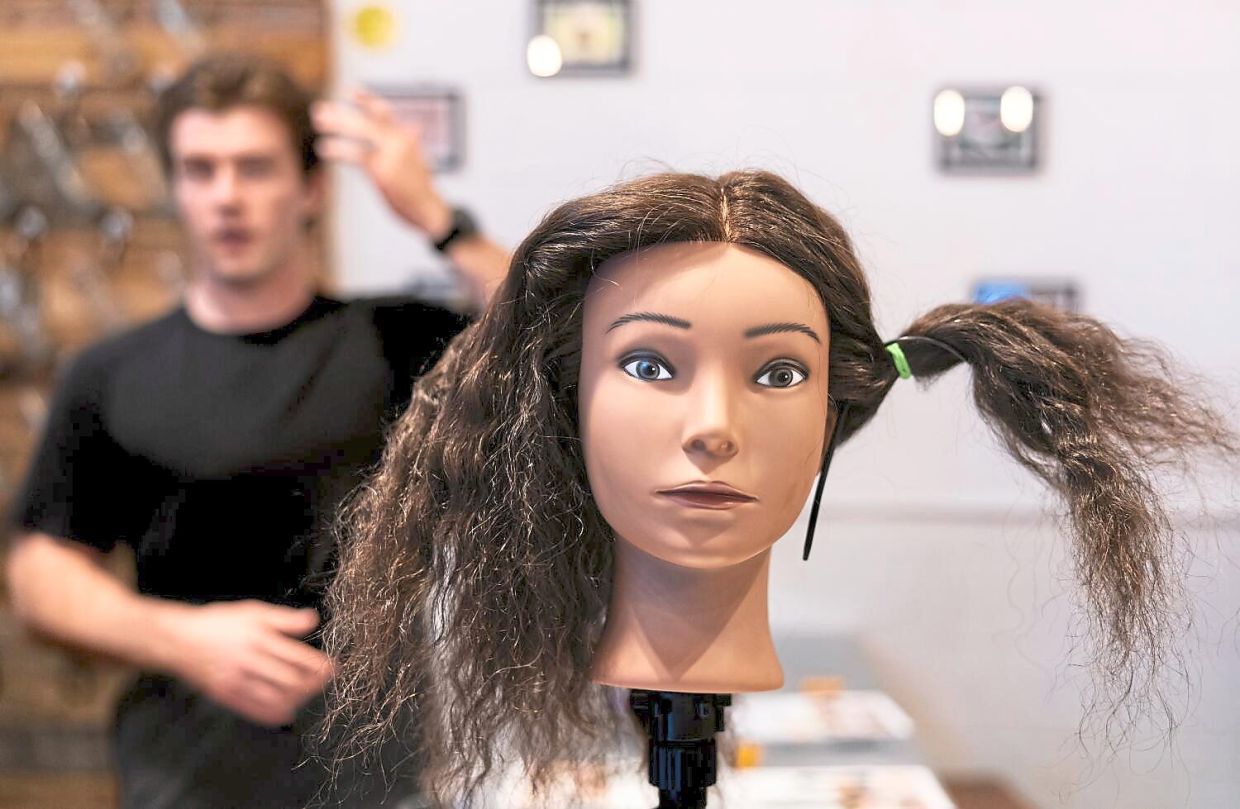
The group's viral "Pints and Ponytails" event at Captain Fatty's Brewery in May exemplifies the creative approach these organisations are taking to address real parenting challenges. The evening brought together 15 men ranging from 30 to 60 years old, initially hesitant about learning to braid hair on training mannequins, but gradually loosening up as the gathering progressed. What began as awkward silence transformed into collaborative learning and genuine camaraderie as participants discovered they shared common struggles—in this case, the practical difficulty of caring for their children's hair, particularly among fathers with daughters.
Nieves's journey underscores the dramatic lifestyle shift that fatherhood brings. After relocating from Costa Mesa to Santa Barbara in April 2025, he replicated his earlier success by establishing the Santa Barbara Dads group within weeks, holding their inaugural meetup in May and committing to monthly gatherings. The speed with which the group gained traction demonstrates significant unmet demand among fathers for spaces where they can discuss parenting challenges without judgment and learn practical skills in relaxed, male-oriented environments. His earlier Orange County Dads club, founded in October 2023, had grown substantially through word-of-mouth, with wives and partners sharing social media posts to introduce their husbands to the community.
The emergence of these fathers' groups aligns with growing scientific evidence documenting the psychological toll of active parenting on men. Researchers Chris Knoester and David J. Eggebeen found in their 2006 Journal of Family Issues study that assuming greater responsibility for child-rearing correlates with declining well-being and reduced social participation as fathers inevitably spend less time with friends. Clinical psychologists Hillary Halpern and Maureen Perry-Jenkins have documented how the transition from single life to fatherhood frequently triggers emotional turbulence, while a 2021 Karolinska Institute study identified that fathers specifically benefit from structured support during this life stage transition.
The research validates what members of these groups are experiencing firsthand. A 2021 study found that men participating in fathers' groups reported high satisfaction with the experience, noting positive impacts on their relationships with both partners and children. Participation improved self-confidence, promoted greater family equality, and critically, reduced feelings of loneliness—a constellation of benefits that suggests these informal gatherings address genuine psychological needs rather than merely providing entertainment.
Mikhail Alfon, founder of Blue Light Media, experienced this transformation directly. After attending multiple Orange County Dads meetups with his son Santos, Alfon reflected on how finding peers at the same life stage proved invaluable, particularly when navigating the profound changes that accompany first-time fatherhood. The group's appeal extends beyond skill-building; it fundamentally provides what researchers identify as essential social scaffolding during a period when many men's traditional friendship networks erode.
The variety of activities within these fathers' groups demonstrates their multifaceted approach to support. Beyond the high-profile "Pints and Ponytails" events, groups have organised casual coffee shop meetups, zoo outings, holiday celebrations involving communal music-making, and practical training such as CPR certification classes. This diversity ensures that fathers with varying interests and comfort levels can find opportunities for connection, whether they're seeking social engagement, skill acquisition, or simply reassurance that their parenting challenges are universal.
Austin Jones, a Santa Barbara real estate agent and investor who discovered the group through Instagram, articulated the complexity of modern fatherhood that these communities address. Juggling responsibilities as a husband, parent, and business owner left Jones feeling isolated despite outward success. The "Pints and Ponytails" workshop proved particularly valuable when he discovered practical strategies for managing his two-and-a-half-year-old daughter Noa's textured, curly hair—a specific challenge he had previously addressed with only a headband. The confidence he gained through peer instruction and practice with training mannequins represented a concrete victory in his parenting journey.
The significance of these groups extends beyond individual participants to broader cultural patterns in how societies support parenting. Historically, mothers' support networks have been institutionalised through established channels—playgroups, lactation consultants, mothers' circles, and structured parenting classes—while fathers have been largely left to figure out childcare through trial and error. The emergence of intentional fathers' groups suggests a correction to this imbalance, recognising that men increasingly want to participate actively in parenting but lack the traditional social infrastructure that mothers access automatically.
For Southeast Asian readers, particularly in Malaysia where family structures and gender roles are evolving alongside economic development, these American fathers' groups offer a model worth considering. As more Malaysian fathers seek to balance career ambitions with meaningful parental involvement, the absence of organised support systems becomes increasingly problematic. The success of groups like Santa Barbara Dads suggests that communities benefit when they create deliberate spaces for fathers to build skills, share experiences, and combat the isolation that often accompanies active parenting.
The viral nature of "Pints and Ponytails" events indicates how social media is amplifying these initiatives beyond their original communities. What began as a British-inspired concept has resonated globally, suggesting universal parenting challenges that transcend cultural boundaries. Fathers everywhere struggle with hair care, infant sleep schedules, emotional regulation, and the fundamental disorientation of their role changing dramatically overnight. By naming these challenges and creating casual, non-judgmental spaces to address them, these groups validate experiences that men often feel embarrassed discussing.
Looking forward, the momentum behind fathers' groups in America signals shifting expectations about parental responsibility and male emotional engagement. Rather than viewing fatherhood as a solitary experience punctuated by occasional advice from other fathers, participants are discovering that intentional community-building enhances both individual well-being and family stability. As these groups continue to proliferate and adapt their programming, they're quietly reshaping American parenting culture by demonstrating that men's involvement in childrearing need not come at the cost of friendship, growth, and genuine community connection.

