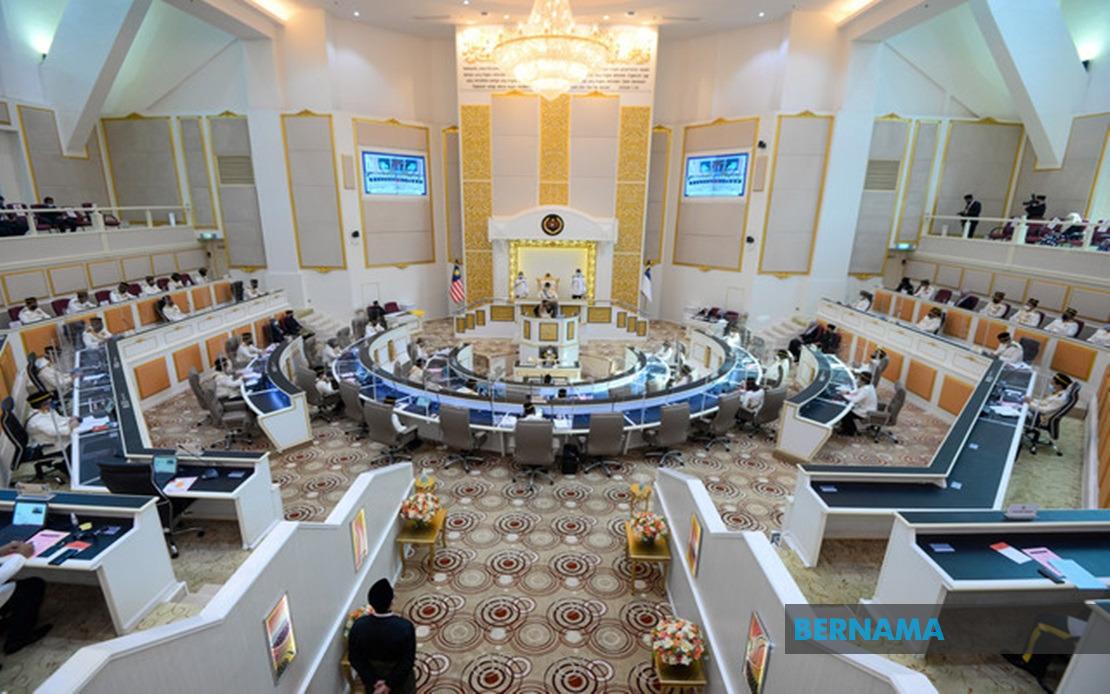
The Melaka state government expects confirmation on a proposed Type 3 health clinic in Bukit Rambai when Parliament tables the 2027 Budget this October, officials announced during a state assembly sitting on July 14. The announcement signalled that after months of planning and site preparation, the healthcare facility may finally move from blueprint to construction phase, pending budgetary approval.
Datuk Ngwe Hee Sem, who chairs Melaka's Health, Human Resources and Unity Committee, disclosed that the proposal had been formally submitted to the Ministry of Economy as part of Rolling Plan 2 under the 13th Malaysia Plan. This dual-track approvals process—requiring both state-level support and federal budget allocation—explains the timing of the announcement, as major infrastructure projects typically gain final clearance through the annual national budget presentation.
The clinic site, positioned directly across from the existing Bukit Rambai Health Clinic, has already undergone preparatory work. This preliminary phase, completed ahead of the federal budget decision, demonstrates the state's commitment to advancing the project despite the prolonged waiting period. Construction is projected to span three years once funding is confirmed, meaning the facility could become operational around 2030.
Beyond basic general practice services, the new clinic will introduce specialized departments currently unavailable in the Bukit Rambai area. Radiology facilities featuring X-ray capabilities will enable on-site diagnostic imaging, reducing referrals to distant hospitals. A dedicated dental unit equipped with five chairs represents a significant upgrade for residents who previously faced limited oral healthcare access in the immediate vicinity.
Supplementary services including nutrition and dietetics counselling, optometry, and physiotherapy address chronic disease management and preventive health—critical for an aging population where non-communicable diseases drive healthcare demand. Occupational therapy and speech pathology services particularly benefit stroke survivors and elderly patients requiring rehabilitation. The inclusion of counselling psychology and medical social work signals recognition of mental health needs, an often-overlooked aspect of community healthcare in smaller towns.
The expanded infrastructure will fundamentally restructure how Bukit Rambai residents access primary and intermediate care. Strengthening outpatient capacity reduces the burden on emergency departments by managing routine cases more efficiently. Dedicated maternal and child health services, laboratory capabilities, and on-site pharmacy facilities create a more self-contained care ecosystem. This distributed approach to healthcare delivery aligns with national policy goals of reducing hospital congestion by shifting appropriate cases to primary care settings.
Waiting times represent a persistent frustration in Malaysian public health. The new clinic's enhanced infrastructure—more consultation rooms, better equipment, expanded staffing—should measurably reduce patient queuing and appointment delays. For working adults and school-age children, shorter waiting periods translate directly into improved treatment-seeking behaviour and better health outcomes. School health services delivered locally also diminish lost educational time.
From a broader development perspective, improved healthcare infrastructure strengthens Bukit Rambai's appeal as a residential destination and supports economic activity through a healthier, more productive workforce. The surrounding areas benefit similarly, as the clinic will serve not just the immediate locality but neighbouring communities. This is particularly relevant in Melaka, where towns like Bukit Rambai serve as secondary population and economic centres beyond the state capital.
The budgeting timeline carries implications for other states observing this process. As Malaysia implements the 13th Malaysia Plan, numerous similar primary care facility proposals compete for federal resources. The Bukit Rambai clinic's progression through Rolling Plan 2 suggests that well-prepared state submissions with completed site preparation and clear service specifications have stronger chances of advancing. Other state governments may view this as a model for accelerating healthcare infrastructure projects.
While October's budget announcement remains several months away, Melaka has positioned itself to move quickly should approval arrive. Pre-completed site work eliminates preliminary delays, and the three-year construction timeline is realistic for a purpose-built clinic of this scope. Tender processes and contractor recruitment can proceed in parallel with budget passage, potentially allowing ground-breaking within months of federal clearance.
The proposal reflects evolving healthcare priorities in Malaysia beyond treating acute illness. The comprehensive service array—from dental care to psychology—indicates that planners increasingly view primary health clinics as community wellness hubs rather than simple acute-care dispensaries. This holistic model becomes particularly valuable in smaller towns where specialist services remain concentrated in larger cities, creating significant access barriers for rural and semi-urban residents.
For Melaka residents, the October budget announcement carries tangible significance. Beyond abstract infrastructure promises, the decision will determine whether healthcare access improves substantially within the next few years. The clinic's success in reducing waiting times and expanding service availability will influence similar facility proposals across the state and potentially shape how neighbouring states approach primary care expansion.

