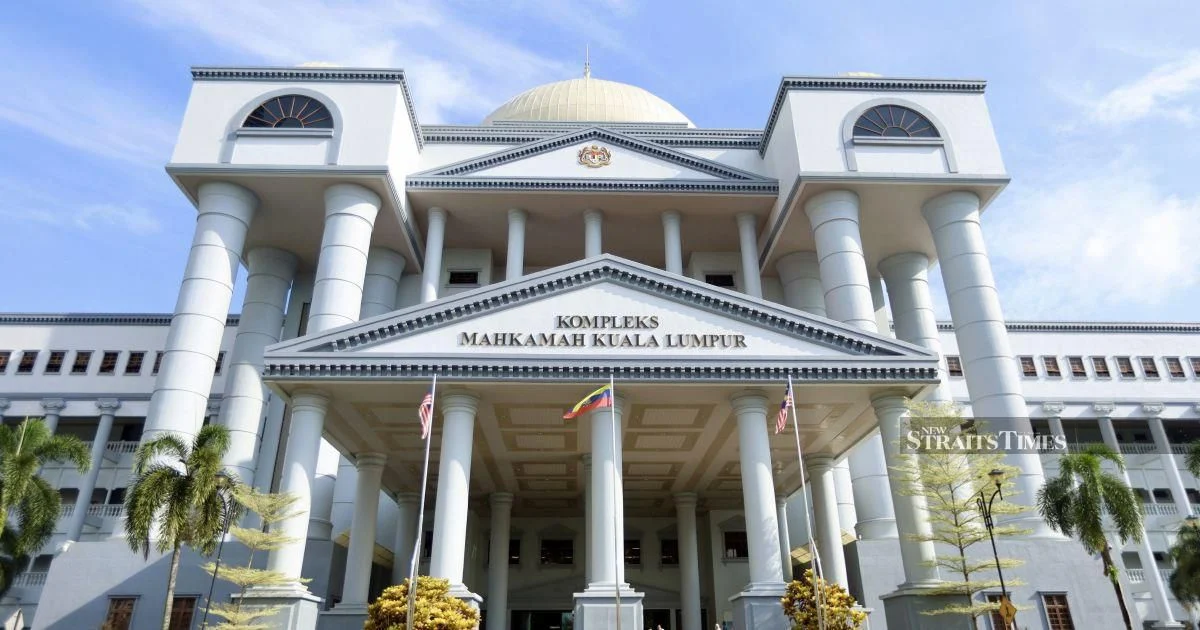
Businesswoman Sofia Rini Buyong will appear before Kuala Lumpur's magistrate court to face a criminal defamation charge stemming from an allegedly damaging public statement. The case represents a notable instance of defamation proceedings being pursued through Malaysia's criminal justice system rather than civil courts, a path that carries distinct legal implications and public profile.
Criminal defamation charges in Malaysia, while less common than civil cases, remain a legitimate legal avenue when statements are deemed to have caused serious harm to an individual's reputation. The charge against Buyong follows what authorities determined to be a statement that fell below the threshold of protected speech. Such proceedings typically proceed through the criminal court system, where the burden and standard of proof differ markedly from their civil counterparts.
The specifics of which statement prompted the charge have not been detailed in available accounts, though criminal defamation cases generally involve public pronouncements or widely disseminated communications. The distinction between protected speech and defamatory statements under Malaysian law hinges on factors including truthfulness, public interest, and fair comment protections—elements that will likely feature prominently in the forthcoming proceedings.
For Malaysian business figures, defamation cases carry substantial consequences beyond legal penalties. Public proceedings in prominent cases shape reputational standing, affect business relationships, and influence how peers and the broader commercial community perceive an individual's credibility. The criminal nature of this particular charge elevates the stakes further, as conviction carries the potential for fine or imprisonment rather than solely monetary damages.
The case unfolds within Malaysia's broader legal landscape governing speech and reputation. The country's defamation law derives from both common law principles inherited from British jurisprudence and statutes codifying specific protections and limitations. Courts must balance the right to protect individual reputation against broader principles of free expression and public discourse, a tension that becomes especially acute in commercial and professional contexts where statements may have tangible economic consequences.
Criminal defamation proceedings often attract heightened public attention compared to civil alternatives, partly because they involve state enforcement mechanisms and partly because they raise questions about the proper scope of criminal law in addressing reputational harm. Legal observers and free speech advocates frequently scrutinize such cases to assess whether criminal sanction represents an appropriately measured response or whether civil remedies would suffice.
For Buyong, the formal appearance tomorrow marks the commencement of a legal process that could extend considerably depending on court schedules, evidentiary requirements, and any appeal processes. Initial court sessions typically address procedural matters, formal charges, and bail considerations before substantive legal arguments proceed. The case will likely generate considerable attention within Malaysia's business community and among those concerned with defamation law's evolving application.
The timing and nature of such charges occasionally prompt broader discussions about whether defamation law adequately protects both reputation and legitimate expression. Singapore and other regional jurisdictions have grappled with similar questions, with some courts narrowing the scope of criminal defamation while maintaining civil remedies. Malaysia's approach and how courts resolve contentious cases continue shaping the practical boundaries of protected speech in the regional context.
For businesses and public figures across Southeast Asia, developments in Malaysian defamation proceedings carry instructive value. They illustrate how regional legal systems treat reputation-damaging statements and establish precedents regarding evidentiary standards, available defenses, and consequences of adverse rulings. Cross-border business activities and digital communications that easily traverse borders heighten the relevance of understanding each jurisdiction's defamation framework.
The case also reflects the reality that Malaysia's legal system provides multiple avenues for addressing reputation harm, with criminal defamation representing one tool among several available to aggrieved parties. Prosecutors' decision to pursue criminal rather than civil remedies signals particular seriousness regarding the alleged statement's nature and impact. Such distinctions carry weight in assessing both the circumstances that prompted action and the likely direction of legal proceedings.
Assertion of defamation claims through criminal courts requires particular scrutiny precisely because criminal sanction represents state power applied to speech matters. Courts must ensure that such prosecutions serve genuine public protection rather than functioning as tools for suppressing legitimate criticism or competitive disadvantage. The Buyong case will proceed within this significant legal and public interest context, with outcomes potentially influencing how similar matters are addressed in Malaysia's commercial and professional spheres.

