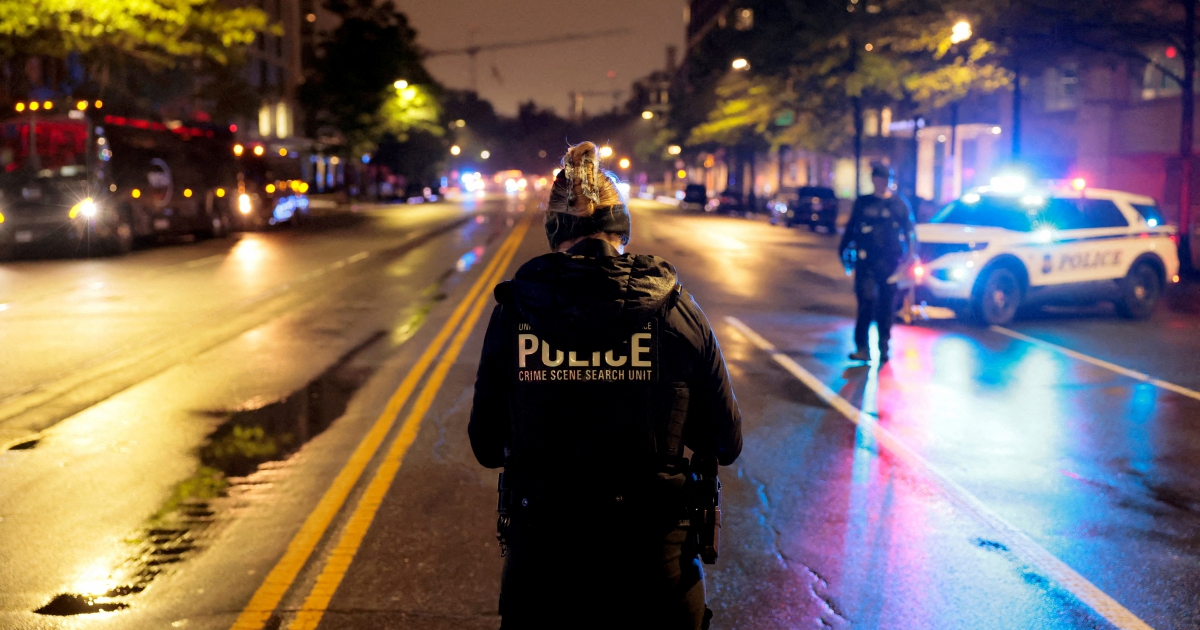
A lawyer representing a bystander struck during an exchange of gunfire between the US Secret Service and an armed individual near the White House in May announced plans to initiate legal proceedings on Tuesday, seeking damages from the federal protective agency. The case represents a rare instance of a civilian casualty filing suit against the Secret Service in connection with an operational incident at the nation's most heavily guarded building.
The incident, which occurred in May outside the presidential residence, resulted in gunshots being fired when Secret Service agents engaged with an individual who posed a security threat. During the confrontation, an innocent bystander in the vicinity was struck by gunfire, sustaining injuries that prompted immediate medical attention. The specific identity of the wounded individual and the precise circumstances surrounding how they came to be caught in the crossfire have not been fully detailed in available accounts.
The decision to pursue litigation reflects a broader pattern of civilians seeking accountability after suffering injuries during law enforcement operations. Personal injury lawsuits against federal protective agencies remain comparatively uncommon, partly due to sovereign immunity doctrines that traditionally shield government entities from certain categories of claims. However, recent legal precedents have created pathways for claimants to demonstrate negligence or excessive force in specific circumstances.
The Secret Service, tasked with protecting the President and securing the White House compound, operates under heightened security protocols given the site's symbolic and strategic importance. When confronted with active threats, agents must balance the imperative to neutralise dangers to high-value targets with responsibilities toward the general public in surrounding areas. This tension between protective necessity and bystander safety lies at the heart of the pending lawsuit.
For Malaysian and Southeast Asian observers, this case illustrates fundamental questions about institutional accountability that resonate across the region. Democratic societies increasingly grapple with how to provide effective security while maintaining transparent systems for addressing harm to innocent parties. The precedent established through this litigation may influence how agencies worldwide approach civilian protection during security operations involving armed response.
The lawsuit filing will likely prompt examination of whether Secret Service protocols adequately address the risk of collateral injury to uninvolved persons. Investigators will scrutinise tactical decisions, communication procedures, and whether alternative response measures might have minimised danger to bystanders. These questions extend beyond the specific May incident to raise systemic concerns about how protective agencies balance competing obligations.
Government agencies defending similar claims typically argue that personnel were responding appropriately to genuine threats and that the presence of civilians in the vicinity created inherent risks beyond their direct control. Defence counsel for the Secret Service will probably emphasise that agents were executing their lawful duties when confronted with an active security threat. Whether these arguments prove persuasive to courts will significantly influence future operations.
The financial exposure arising from the lawsuit remains unspecified, but personal injury claims against federal agencies can result in substantial settlements, particularly when injuries prove permanent or disabling. Beyond monetary compensation, successful litigation establishes legal acknowledgment of responsibility and may compel policy reforms intended to prevent recurrence. Such outcomes can reshape institutional practices across multiple agencies.
This case arrives during a period of heightened scrutiny regarding law enforcement tactics and civilian safety. Public expectations for accountability have intensified worldwide, with particular emphasis in democratic jurisdictions where transparency and institutional answerability remain cornerstones of legitimacy. The US legal system's treatment of this claim will be monitored by security professionals and civil rights advocates globally.
The timing of Tuesday's anticipated lawsuit filing reflects the completion of preliminary investigations into the May incident and consultation between legal representatives and their client regarding optimal litigation strategy. Courts will ultimately determine whether circumstances supported the Secret Service's response and whether personnel exercised reasonable care to minimise civilian harm. The decision carries implications extending far beyond this individual case, potentially influencing how security agencies worldwide approach similar situations involving armed response in populated areas.

