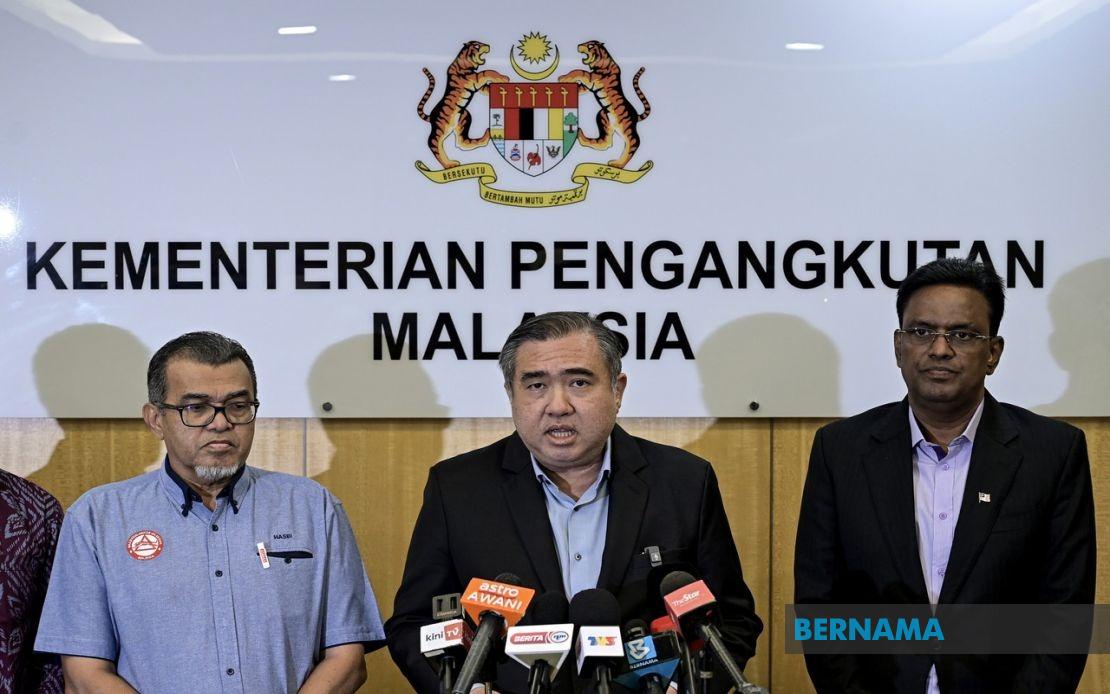
In a significant move to strengthen accountability within Malaysia's road safety framework, the Cabinet has endorsed proposed amendments to the Road Transport Act 1987 (Act 333) that would empower courts to require road offenders to provide financial compensation to accident victims or their surviving family members as an additional penalty. Transport Minister Anthony Loke announced the approval on Wednesday, characterising the initiative as a comprehensive approach to making those responsible for traffic violations face meaningful consequences beyond traditional punishments.
The reform represents a departure from Malaysia's existing enforcement structure, which typically relies on imprisonment, monetary fines, and driving disqualification as primary deterrents. Under the proposed amendments, offenders would face an additional layer of accountability by being ordered to compensate those harmed by their actions. This approach recognises that victims and grieving families often bear substantial financial and emotional burdens following serious traffic incidents, yet have limited recourse unless they pursue independent civil litigation or insurance claims—a process that can be lengthy and uncertain.
Crucially, the compensation framework will not be automatically determined through administrative processes but rather assessed individually by courts based on specific circumstances. Judges will consider multiple factors when determining appropriate compensation amounts, including the severity of the traffic offence committed, the extent of physical injuries sustained, fatalities resulting from the incident, documented financial losses experienced by the victim or family members, and the financial capacity of the offender to pay. This case-by-case approach acknowledges that road accidents vary dramatically in their consequences and the means of those responsible.
The proposed legislation will extend across a broad spectrum of road offences, with driving under the influence of alcohol or drugs and reckless driving specifically identified as priorities for enforcement. These categories encompass some of Malaysia's most serious and preventable traffic incidents. The Ministry of Transport's decision to include such offences signals intent to address persistent concerns about impaired and negligent driving behaviour on Malaysian roads, areas where enforcement has previously been inconsistent across different jurisdictions.
A significant safeguard embedded within the proposal ensures that compensation requirements will operate as a supplement to existing legal remedies rather than a replacement. Victims and their families retain full rights to pursue insurance claims through their existing policies and to initiate separate civil proceedings through the courts seeking damages. This preservation of parallel legal channels prevents victims from losing entitlements due to the new framework and allows them to pursue multiple avenues of recovery simultaneously. Insurance companies and their obligations remain unaffected by the legislative amendment.
The Cabinet's approval came alongside commitments to strengthen the Road Offence Demerit Points System (KEJARA), Malaysia's existing points-based system for monitoring and managing habitual traffic violators. By combining enhanced demerit point mechanisms with the new compensation provisions, the government aims to create a more comprehensive deterrent architecture. The convergence of these measures could potentially influence driver behaviour more effectively than either mechanism operating independently, as offenders would face cascading consequences affecting their driving privileges, financial obligations, and freedom.
Minister Loke emphasised that implementation will proceed carefully and methodically. The Ministry of Transport will immediately commence drafting the legislative amendments, but the process will incorporate extensive consultation with relevant stakeholders before resubmission to Cabinet and eventual parliamentary tabling. The ministry plans to engage with government agencies, the insurance industry, and other stakeholders to refine operational mechanisms and ensure the framework functions effectively across diverse accident scenarios. These consultative sessions will examine critical implementation questions including which specific cases should be covered, how serious injuries should be legally defined, and appropriate procedures when offenders lack the financial means to satisfy compensation orders.
The legislative timeline targets the year-end parliamentary session for tabling, conditional upon completion of drafting and stakeholder engagement processes. Notably, Minister Loke proposed establishing a special parliamentary committee to examine the bill in detail, a step designed to secure cross-party support and demonstrate political consensus on road safety enhancement. This approach recognises that meaningful traffic safety reform benefits from broad legislative agreement rather than partisan division, as such laws must command public confidence and judicial consistency across the nation.
A significant limitation of the proposed amendments concerns temporal application. Consistent with established legal principles prohibiting retrospective legislation, the compensation requirements will apply only to road offences committed after Parliament enacts the law. This means accidents and violations occurring before the amendment takes effect will continue to operate under existing legal frameworks. Offenders convicted under the new provisions will face the combined weight of traditional penalties—imprisonment, fines, and driving disqualification—alongside court-ordered compensation obligations, creating more substantial accountability structures.
For Malaysian readers and regional observers, these amendments reflect growing recognition that road safety requires multifaceted approaches addressing both prevention and restitution. Malaysia's road fatality rates remain concerning by regional standards, with thousands of deaths annually and tens of thousands injured. Economic costs of traffic accidents—including medical expenses, lost productivity, and property damage—impose substantial burdens on victims' families and broader society. By introducing compensation mechanisms, the government acknowledges that preventing accidents represents only one dimension of comprehensive road safety policy; supporting those harmed requires equally serious attention.
The implications extend beyond victim support to broader questions about deterrence efficacy. Offenders facing financial obligations to compensate victims may experience different motivational incentives than those facing fines directed to the state treasury. This personalised dimension, where consequences directly affect accident survivors, could reshape decision-making calculations for potential offenders. Additionally, the compensation framework may create stronger incentives for insurance companies and vehicle manufacturers to support road safety initiatives, as their financial exposure and claims processing would be affected by compensation orders.
The reform also addresses longstanding frustrations within victim advocacy communities regarding the gap between legal penalties and actual victim support. While imprisonment and fines serve important punishment and deterrence functions, they do not directly alleviate financial hardship experienced by families coping with permanent disability, lost earnings, or funeral expenses. Compensation orders create direct financial accountability flowing from offenders to those most affected by their violations, potentially providing more meaningful restitution than exists under current frameworks.
As the Ministry of Transport proceeds with consultation and drafting, attention will focus on implementation details that will substantially determine the reform's practical effectiveness. Clarity on compensation calculation methodologies, appeals procedures, enforcement mechanisms for offenders unable or unwilling to pay, and interaction with existing insurance frameworks will shape how these amendments function within Malaysia's legal system. The consultation process will reveal whether different stakeholder groups—from insurance providers to victim support organisations—can reach sufficient consensus on these operational elements to enable smooth implementation following parliamentary approval.

