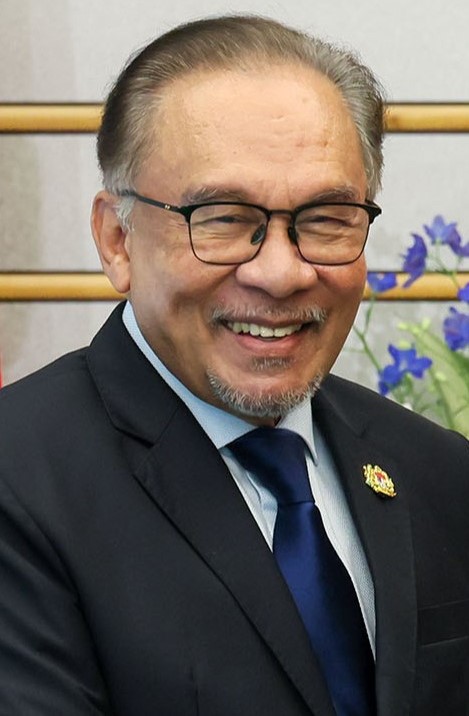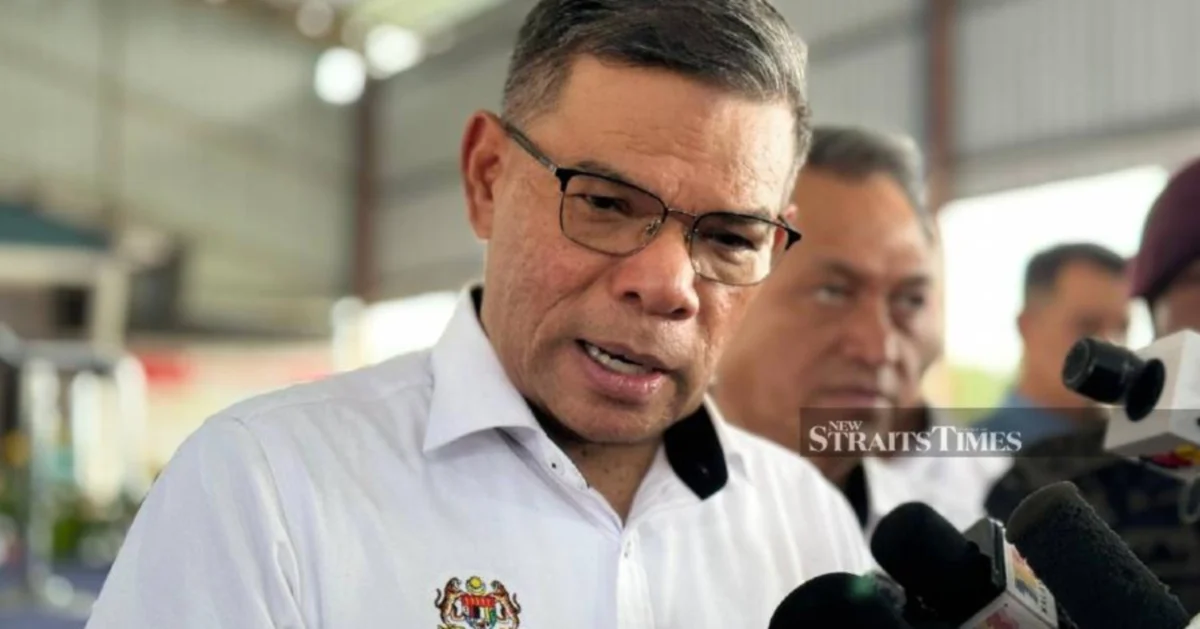
Prime Minister Datuk Seri Anwar Ibrahim has authorised a RM22 million investment in the Malaysian Border Control and Protection Agency, allocating the funds specifically towards procuring firearms and ancillary equipment needed for enhanced border operations. The approval marks a significant step in reinforcing the nation's border management infrastructure, signalling the government's commitment to ensuring that frontline personnel have the tools necessary to manage Malaysia's extensive maritime and terrestrial boundaries effectively.
The Malaysian Border Control and Protection Agency, tasked with safeguarding the country's perimeters, has operated with varying degrees of resourcing over recent years. This allocation addresses longstanding gaps in its operational capacity, particularly in providing modern weaponry and protective gear to personnel deployed across challenging terrain and maritime zones. The funding injection reflects broader policy recognition that border security requires sustained investment in both human capital and material resources.
Border agencies across Southeast Asia have increasingly sought upgraded equipment as transnational challenges—including human trafficking, drug smuggling, and illicit firearms trade—have grown more sophisticated. Malaysia's geographical position, with its strategic coastlines and land borders with Thailand and Brunei, places particular demands on patrol and interdiction capabilities. Modern firearms and equipment are therefore essential not merely as symbols of state capacity but as practical necessities for personnel operating in high-risk zones.
The timing of this approval occurs amid broader regional shifts in security prioritisation. Neighbouring countries have similarly invested in border infrastructure modernisation, partly driven by evolving threat assessments and partly by the realisation that porous borders create vulnerabilities that extend beyond immediate security concerns into economic and public health domains. Malaysia's decision aligns the country with this regional trajectory while addressing domestic requirements.
For the MCBA specifically, the infusion of resources offers an opportunity to enhance recruitment and retention prospects. Personnel working in border enforcement often face hazardous conditions without corresponding material support, leading to turnover and operational inefficiencies. Access to modern firearms, body armour, surveillance equipment, and transport resources can improve workplace safety perception and professional standing, indirectly benefiting service quality through improved morale and stability.
The RM22 million figure, while substantial, requires contextualisation within Malaysia's total defence and security spending. Nevertheless, it demonstrates executive prioritisation at the highest level, as Prime Ministerial approval typically signals that the project aligns with government strategic objectives. The personal involvement of Datuk Seri Anwar Ibrahim in authorising this allocation underscores the government's positioning of border management as a core governance function deserving cabinet-level attention.
Implementation details remain significant considerations. The procurement process for firearms and equipment must navigate both international supply chains and domestic manufacturing preferences. Malaysia maintains relationships with various suppliers internationally while also possessing domestic defence manufacturing capacity. How these considerations balance in the actual procurement will provide insights into the government's strategic preferences regarding supply chain resilience and technology transfer.
For Malaysian business, this allocation may generate downstream opportunities. Equipment modernisation often involves supply contracts, maintenance arrangements, and training programmes that extend beyond initial procurement. Defence contractors and technology suppliers with relevant certifications and security clearances may find new opportunities emerging from this allocation, particularly in specialised areas such as surveillance systems, protective equipment, and logistics support.
The broader context includes Malaysia's efforts to position itself as a responsible maritime neighbour and credible partner in regional security frameworks. Well-equipped border agencies contribute to Malaysia's ability to participate effectively in bilateral and multilateral security arrangements, from sharing intelligence to conducting joint operations. This investment therefore has diplomatic dimensions extending beyond purely domestic considerations.
Regional observers will likely monitor how this funding translates into operational improvements. Neighbouring countries and international partners assess border agency capacity partly through visible signals of investment and modernisation. Successful implementation of this allocation could strengthen Malaysia's standing in regional security discussions and confidence-building measures, particularly as regional maritime tensions occasionally resurface around contested territorial claims and maritime zones.
Looking forward, this RM22 million allocation may establish a precedent for sustained investment in border infrastructure. If implementation proves successful and operational returns demonstrate value, it could support arguments for additional future funding rounds. The MCBA operates in a demanding environment requiring continuous adaptation to evolving threats, suggesting that border security funding will likely remain a recurrent budgetary consideration.
The approval also reflects broader governmental philosophy regarding public safety and internal security. Under Datuk Seri Anwar Ibrahim's leadership, the administration has signalled commitment to professionalising security agencies and equipping them adequately for contemporary challenges. This RM22 million allocation fits within that broader institutional strengthening agenda, positioning border management as a developing rather than diminishing policy priority.