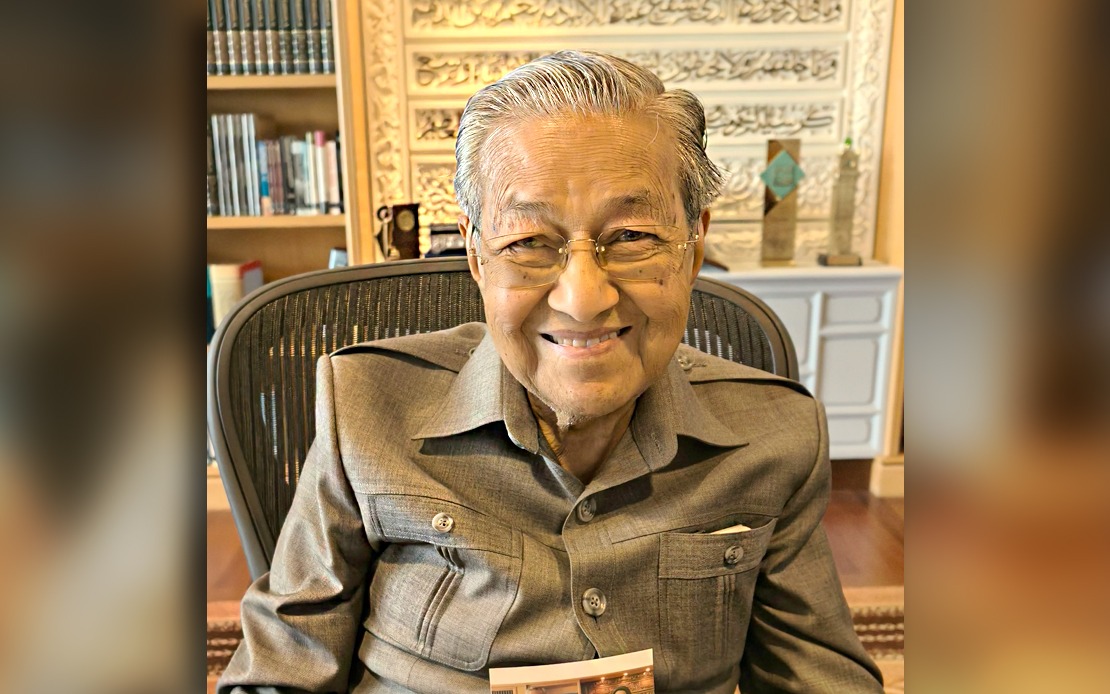
Malaysia's Cabinet ministers have joined the nation in commemorating Tun Dr Mahathir Mohamad's 101st birthday on July 10, with senior government officials using public platforms to extend their warm wishes to the elder statesman who remains one of the country's most consequential political figures. The outpouring of recognition underscores Dr Mahathir's enduring significance within Malaysia's political establishment, despite stepping away from frontline politics in recent years.
Communications Minister Datuk Fahmi Fadzil led the public tributes, sharing a message on social media that conveyed blessings for Dr Mahathir's sustained good health, contentment, and spiritual fulfilment. His choice of words—emphasising the "incredible milestone"—reflected the genuinely exceptional nature of reaching a century and beyond in good standing. The minister's decision to make his wishes public through digital channels demonstrates how contemporary Malaysian political figures navigate the intersection of traditional courtesy and modern communication, ensuring such gestures reach broad audiences.
Two other senior ministers similarly contributed their own birthday messages. Minister in the Prime Minister's Department (Law and Institutional Reform) Datuk Seri Azalina Othman Said and Higher Education Minister Datuk Seri Dr Zambry Abd Kadir each posted their own greetings, maintaining a consistent theme of praying for Dr Mahathir's wellbeing and continued blessing from divine providence. The collective nature of these tributes from across different ministerial portfolios signals respect that transcends typical political divisions and suggests a degree of consensus regarding Dr Mahathir's place in Malaysian national memory.
Dr Mahathir's life trajectory represents a singular chapter in Malaysia's post-independence history. Born on July 10, 1925, in Alor Setar, Kedah, he emerged from a Kedahan medical background to become one of Asia's longest-serving leaders. His political career spanned decades, with two distinct periods as Prime Minister totalling 22 years—from 1981 through 2003 in his first stint, followed by an unexpected return to the office from 2018 until 2020. This second appointment proved historically unprecedented, as at age 92 he became the world's oldest serving prime minister, a distinction that captured international attention and challenged conventional assumptions about age and political capability.
The significance of Dr Mahathir's longevity extends beyond mere numerical years. His fourth and seventh tenures as Prime Minister bookended Malaysia's transformation from a middle-income developing nation into a more diversified economy with aspirations toward advanced-economy status. The policies implemented during his first administration—particularly those associated with economic diversification, infrastructure development, and the ambitious Vision 2020 framework—shaped the institutional landscape that contemporary Malaysian policymakers still navigate. Even during his retirement from active politics, his occasional public statements continue to generate substantial media attention and political commentary.
The decision by current Cabinet ministers to publicly commemorate this birthday carries subtle political messaging. By doing so, they align themselves with continuity and respect for institutional memory, while simultaneously demonstrating that Dr Mahathir's influence, though no longer direct, remains acknowledged within government circles. For Malaysian readers observing these tributes, they provide evidence of the nation's political culture valuing elder statesmen, a characteristic that distinguishes Malaysia's approach from some other democracies where retiring leaders fade more completely from public discourse.
Dr Mahathir's health and longevity have themselves become topics of public interest and occasional speculation. That multiple Cabinet ministers specifically emphasised blessings for his continued good health suggests an awareness that his wellbeing carries symbolic weight for many Malaysians who lived through his extended period in power. His survival to such an advanced age, apparently in reasonable health, becomes a narrative in itself—testament to medical advances, personal discipline, or simply good fortune, depending on one's perspective.
The 101st birthday milestone arrives during a period of relative political transition in Malaysia. The country has experienced several changes in government administration since Dr Mahathir's 2020 departure from office, with competing coalitions and shifting allegiances characterising recent years. In this context, a figure who represents stability and institutional continuity from an earlier era holds particular appeal to those seeking anchoring points in Malaysian political history. His century-old existence bridges multiple generations of the nation's political development.
These birthday wishes also reflect broader Southeast Asian patterns, where respect for age, experience, and past leadership remains culturally embedded. Unlike some Western political contexts where retirement often means genuine withdrawal, Malaysian political culture maintains more permeable boundaries between active and emeritus statesmen. Dr Mahathir's continued presence in public consciousness—whether through occasional statements, family political involvement, or such birthday observances—keeps his influence subtly present within contemporary discourse.
The mineral and symbolic weight of reaching 101 years cannot be overstated. It represents not just personal achievement but also a generational marker. Many Malaysians who remember only Dr Mahathir's Malaysia—those born during his first administration or after—now represent a substantial portion of the electorate. For them, his historical role requires explanation rather than personal recollection, yet his longevity and the respect accorded to him by current office-holders reinforces his status as a defining figure in the nation's modern development trajectory.

