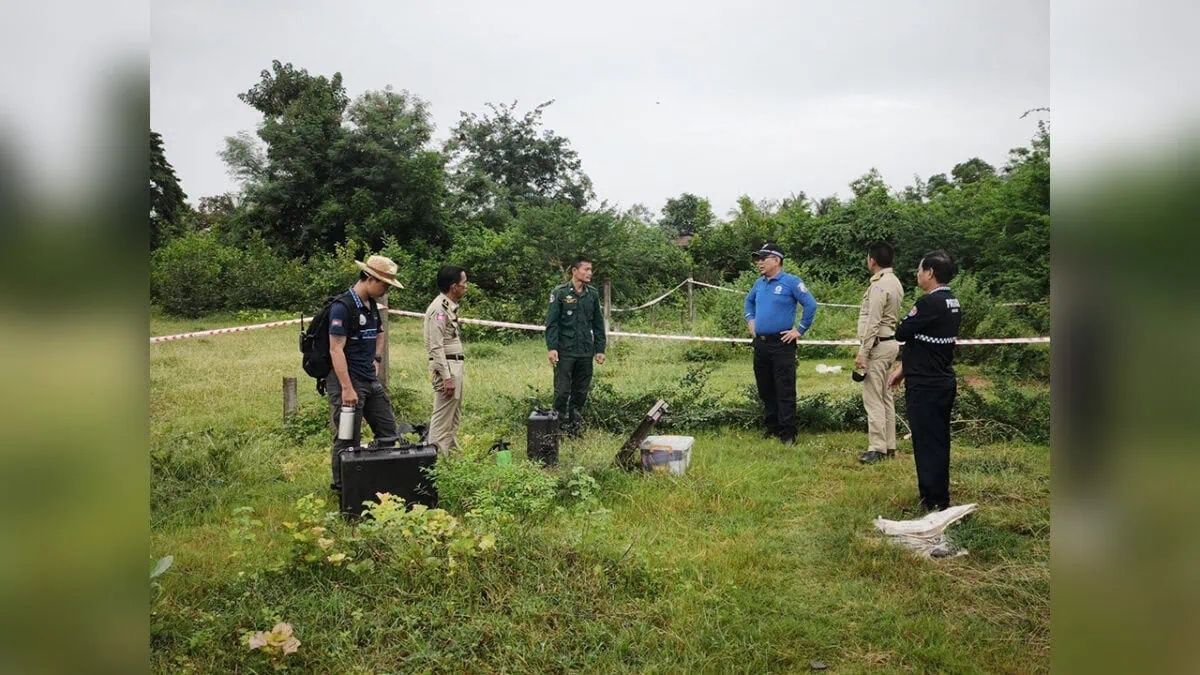
Cambodian law enforcement has launched dual investigations into the deaths of two young children discovered in Banteay Meanchey province on July 28, marking a troubling development that has drawn attention from both national police authorities and international child protection bodies. The Cambodian National Police are coordinating closely with the Child Protection Unit (CPU) to examine the circumstances surrounding the deaths, which were disclosed in an official statement released Monday, August 3.
The discovery occurred on the morning of July 28, when the body of a 15-month-old child was recovered from a pond located in Mongkol Borei district. Hours later the same day, authorities found the remains of a five-year-old child in Teuk Thla commune, who had been reported missing three days earlier on July 25. Despite their proximity in time and geography, authorities have determined that the two cases are unrelated and are being pursued as separate investigations into child homicides.
The rapid response from Cambodian authorities reflected the gravity of the incidents, with the CPU's homicide investigation team mobilising alongside provincial police units and the Minister of Interior's Department of Technical and Scientific Police. Forensic teams conducted examinations at both crime scenes and initiated preliminary investigative work designed to establish the circumstances of death and identify potential perpetrators. Following these initial assessments, officials classified both deaths as homicides rather than accidents, signalling the suspicious nature of the discoveries.
The involvement of the Child Protection Unit underscores Cambodia's commitment to treating child fatalities with heightened scrutiny and investigative rigour. The CPU, which operates internationally recognised protocols for investigating crimes against children, brings specialised expertise to cases involving young victims. This institutional approach reflects evolving standards across Southeast Asia regarding child protection and the recognition that such cases demand coordinated, multi-agency responses combining local knowledge with international best practices.
James McCabe, director of the Child Protection Unit, issued a statement affirming the commitment of both Cambodian authorities and his organisation to conducting thorough investigations into both deaths. "The Cambodian National Police and our partner agencies are committed to conducting comprehensive and professional investigations into these two tragic crimes. We are deploying every necessary investigative resource and capability to ensure both homicide investigations are pursued to their fullest extent," McCabe said. He further pledged that any individuals found responsible for the children's deaths would face prosecution in Cambodian courts.
The pledge to pursue full accountability reflects international pressure and domestic expectations that such cases warrant exhaustive investigative effort and judicial consequences. Statements of commitment from senior officials carry particular weight in high-profile cases involving child victims, as they signal political will to address serious crimes and demonstrate responsiveness to public concern. In Cambodia's legal context, where capacity constraints and resource limitations can affect investigation timelines, such declarations attempt to reassure the public that the cases will receive appropriate priority.
The deaths occurred against a broader backdrop of child welfare concerns across Southeast Asia. While Cambodia has made institutional advances in child protection frameworks, including the establishment of dedicated units and cooperation with international organisations, challenges persist in enforcement, investigation capacity, and preventing crimes against vulnerable populations. The incidents in Banteay Meanchey, a province bordering Thailand known for trafficking concerns, carry additional significance given the region's vulnerabilities to exploitation of minors.
Cambodian authorities have adopted a cautious approach regarding public disclosure of investigative details, with officials declining to release operational information while the cases remain active. This measured stance balances the legitimate public interest in understanding serious crimes against the operational necessity of protecting investigative integrity and avoiding prejudicial disclosure. The constraint reflects standard investigative practice where premature information release could compromise evidence collection or witness testimony.
The two grieving families have received official condolences from both the Cambodian National Police and the CPU, with authorities reaffirming their commitment to securing justice. For the parents and relatives of the 15-month-old and five-year-old, the investigative process represents the formal pathway toward accountability and, potentially, closure. In Cambodia's legal system, homicide cases involving children typically receive priority classification and can result in substantial sentences if prosecutions prove successful.
The cases highlight both the vulnerabilities facing Cambodia's youngest citizens and the institutional machinery mobilised to investigate their deaths. As investigations proceed, the outcome will likely influence perceptions of law enforcement effectiveness in protecting children and prosecuting serious crimes. The involvement of international expertise through the Child Protection Unit demonstrates how Cambodian authorities increasingly engage external partners to strengthen investigative capacity and align practices with international standards. The commitment to pursue these cases to conclusion will ultimately test whether institutional declarations translate into sustained investigative effort and successful prosecutions that deter future crimes against children in the region.

