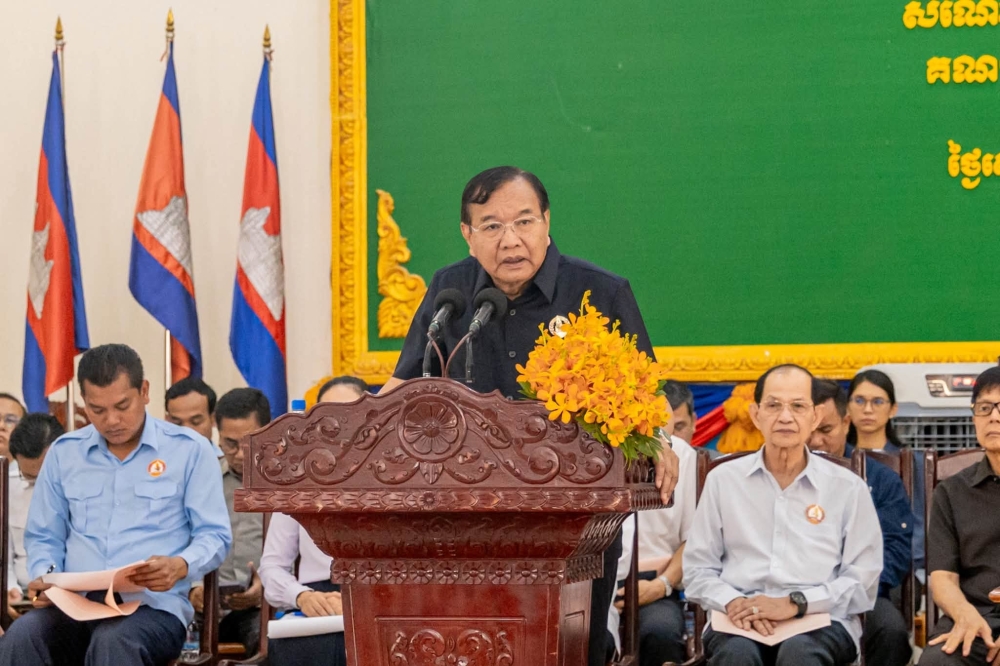
Cambodian Deputy Prime Minister and Minister of Foreign Affairs and International Cooperation Prak Sokhonn touched down in Malaysia on August 3, beginning a two-day official visit that underscores the ongoing strengthening of ties between the two Southeast Asian nations. The high-ranking delegation's arrival at Kuala Lumpur International Airport signalled the importance both governments place on their bilateral relationship during a period of increasing regional cooperation within ASEAN.
Official visits at this senior level typically serve as platforms for discussing matters of mutual interest and concern. For Cambodia and Malaysia, the timing reflects a broader pattern of intensified engagement across the region, particularly as both nations navigate complex geopolitical and economic shifts. The presence of a sitting Deputy Prime Minister and Foreign Minister—simultaneously holding two critical portfolios—demonstrates Cambodia's commitment to prioritizing the Malaysian relationship at the highest governmental levels.
The visit arrives amid a phase of active ASEAN diplomacy, where bilateral engagements complement the bloc's broader agenda. Malaysia and Cambodia, sharing membership in the 10-nation regional association, have historically maintained cordial relations anchored in shared interests spanning trade, security, and cultural exchange. This particular visit suggests both capitals see value in deepening existing partnerships and potentially exploring new avenues of cooperation.
From Malaysia's perspective, engagement with Cambodia carries strategic importance given Malaysia's position as a major regional economy and influential voice within ASEAN. The government's hospitality towards high-ranking Cambodian officials reflects recognition of Cambodia's growing role in regional affairs under Prime Minister Hun Manet's leadership. For Malaysian businesses, diplomatic warming with Cambodia opens possibilities for investment, trade, and labour cooperation across multiple sectors.
Cambodian officials at Sokhonn's level typically bring substantive agendas to bilateral meetings. Beyond ceremonial aspects, such visits often result in discussions on specific policy matters, potential agreements, or commitments to ongoing cooperation frameworks. The dual responsibility Sokhonn carries—managing both foreign affairs and international cooperation—positions him as a key figure in shaping Cambodia's external relations strategy moving forward.
The economic dimension merits particular attention for Malaysian audiences. Cambodia's development trajectory has accelerated in recent years, supported by infrastructure investments and manufacturing growth. Malaysian enterprises, ranging from small and medium-sized businesses to major corporations, have stakes in Cambodia's economic expansion. A strengthened diplomatic framework can facilitate smoother commercial operations, reduce bureaucratic friction, and create pathways for new partnerships in sectors like technology, real estate, and services.
Security cooperation represents another substantive area likely under discussion during this visit. Both nations share concerns about maritime security in regional waters, transnational crime, and other cross-border challenges requiring coordinated responses. ASEAN's emphasis on non-interference and consensus-based decision-making means bilateral channels often serve as crucial venues for addressing sensitive matters outside formal multilateral forums.
Cultural and people-to-people dimensions should not be overlooked. Malaysia hosts significant Cambodian communities, while Malaysian cultural influence permeates Cambodian society through films, music, and media. Official visits typically acknowledge these grassroots connections and may include discussions about facilitating educational exchanges, tourism promotion, or cultural initiatives that strengthen societal bonds beyond government-to-government relations.
The broader context sees ASEAN nations increasingly mindful of their collective interests amid great power competition. Both Malaysia and Cambodia benefit from maintaining strong intra-ASEAN relationships that reinforce regional cohesion. A visit by Cambodia's Deputy Prime Minister to Malaysia can thus be viewed partly as affirming ASEAN solidarity and demonstrating that bilateral relations within the bloc remain robust and multidimensional.
During his two-day presence in Malaysia, Sokhonn is expected to meet with Malaysian counterparts, including officials from the Foreign Ministry and potentially the Prime Minister's office. The substance of these meetings, reflected in any joint statements or announced agreements, will provide clarity on the specific outcomes both governments prioritize. Previous high-level visits between Malaysia and Cambodia have sometimes yielded agreements on visa facilitation, defence cooperation, or trade enhancements.
From a Malaysian policy perspective, this visit aligns with the country's strategy of maintaining balanced relationships across ASEAN. Malaysia consistently emphasizes dialogue, cooperation, and regional stability—principles that guide its approach to bilateral engagements with all member states. Cambodia's leadership, navigating its own regional and international challenges, similarly values stable partnerships that support its development objectives.
Looking forward, the trajectory of Malaysia-Cambodia relations will partly depend on outcomes from visits and engagements like this one. Both nations possess the foundation for deeper cooperation, whether through enhanced trade mechanisms, joint development projects, or coordinated positions within ASEAN forums. The visit of Prak Sokhonn represents an opportunity for both governments to reaffirm commitment to their partnership and chart concrete next steps that benefit both populations.

