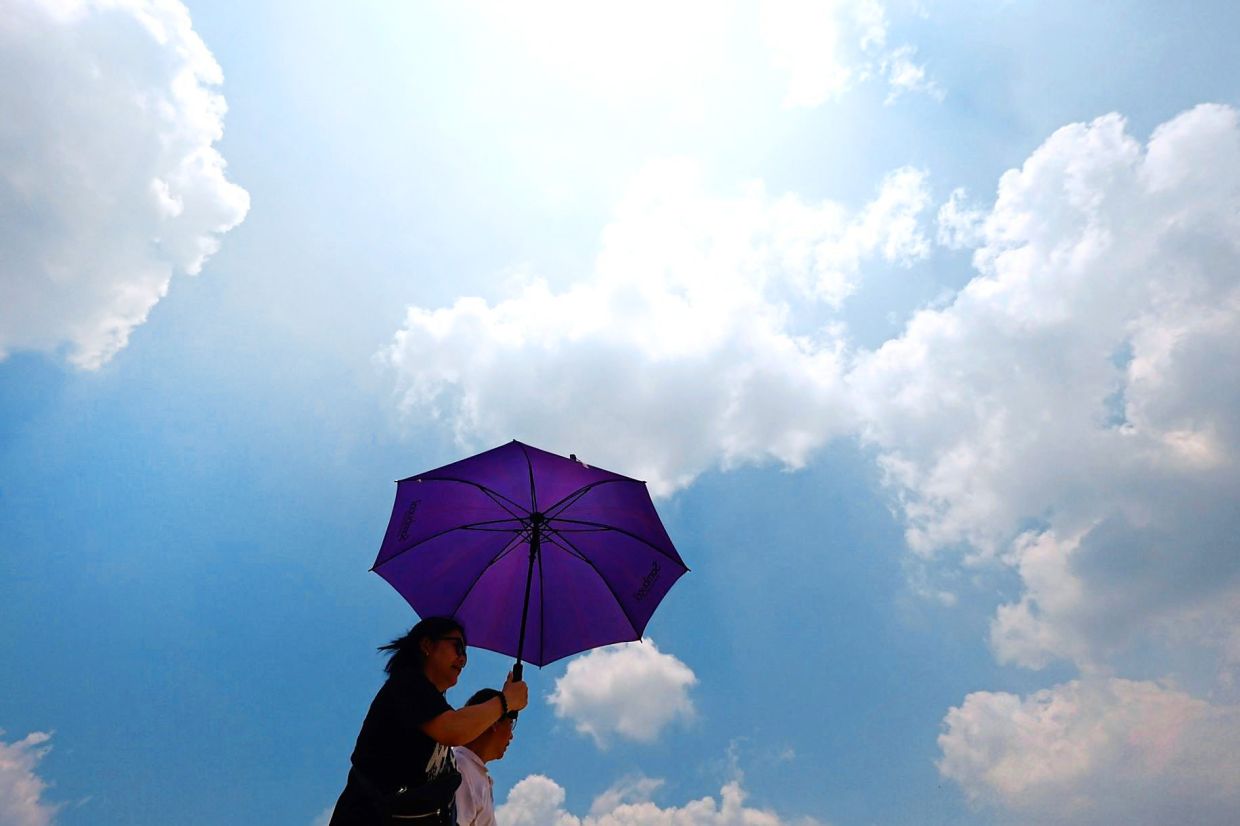
As temperatures continue their upward trajectory across the globe, the World Health Organization delivered a sobering assessment on June 30, 2026, declaring that heatwaves will grow more frequent, more severe, and longer-lasting in the coming years. The warning emerged following a devastating stretch of record-breaking heat across Europe that claimed dozens of lives. According to WHO Europe regional director Dr Hans Kluge, the era of isolated heat events has ended; what awaits are recurring, predictable crises that will punctuate every summer season with increasing regularity.
The implications for densely populated tropical and subtropical regions like Southeast Asia are particularly grave. Unlike Europe, where heatwaves remain somewhat novel phenomena that shock unprepared populations, nations across the region already contend with year-round heat and humidity. Yet the prospect of further temperature increases raises a crucial question: as climate change reshapes our atmosphere, can human physiology evolve fast enough to withstand the onslaught? Medical meteorologist Kathrin Graw, who works with Germany's Deutscher Wetterdienst (DWD), offers a cautiously qualified answer—adaptation is possible, but only within strict biological boundaries.
Graw's research reveals a troubling pattern in how heat accumulates its deadly toll. The duration of a heatwave emerges as perhaps the most critical variable determining whether populations survive with minimal casualties or face catastrophic mortality spikes. Each additional day of sustained heat compounds physiological stress, making the burden progressively heavier as the event stretches on. Particularly damaging is the loss of nocturnal recovery. When nighttime temperatures refuse to drop, sleep quality deteriorates markedly, leaving bodies exhausted and more vulnerable to heat-related illness the following day. This relentless cycle of daytime exposure followed by inadequate nighttime recuperation creates an accumulating debt that the human organism cannot indefinitely repay.
The data Graw references from recent DWD studies quantifies this grim escalation with clinical precision. Among people with cardiovascular disease—already a vulnerable population—heat-related deaths increase by 8.5 percent in the initial days of a heatwave compared to normal conditions. By the 11th and 12th days, however, that figure surges to an 18 percent elevation. This doubling of risk within roughly two weeks demonstrates how the body's reserve capacity depletes as heat exposure becomes chronic rather than acute. The pattern holds profound implications for health systems across Southeast Asia, where ageing populations and high rates of heart disease converge with rising temperatures to create a public health emergency in waiting.
Yet some physiological adaptation does occur within a single summer season, Graw acknowledged. The human body can acclimate to heat gradually, developing improved heat dissipation mechanisms and enhanced cardiovascular stability through regular exposure. Weather services, recognizing this reality, calibrate their warning thresholds seasonally. Early summer heat alerts are issued at lower temperature thresholds than equivalent readings in late summer, reflecting the population's improved capacity to tolerate heat after weeks of gradual acclimatisation. This seasonal flexibility represents the body's genuine, if modest, adaptive capacity. It is adaptation that operates on a timescale of weeks, not months or years.
Geographical patterns offer another lens on heat adaptation. Populations in traditionally hotter southern European countries, and by extension those across tropical regions, demonstrate somewhat lower heat-related mortality rates than their northern counterparts unaccustomed to sustained warmth. This suggests that long-term generational adaptation—whereby populations living with chronic heat for decades gradually select for individuals and families with superior heat tolerance—does provide marginal protection. Yet Graw issued a crucial caveat: this limited long-term adaptation operates only within bounds, and it requires that temperature changes occur at speeds the human body can feasibly respond to through both physiological and behavioral modifications.
The problem confronting humanity today is that climate change is breaching exactly those bounds. The rate of temperature acceleration has itself accelerated in recent years, compressing what might have been a century-long adaptation window into mere decades. This velocity of change outpaces the body's biological response mechanisms. Genetic adaptation requires generations; behavioral adaptation requires time for knowledge dissemination and infrastructure development. Neither can keep pace with warming that unfolds at the current tempo. For Malaysia and other Southeast Asian nations already navigating complex tropical climates, this mismatch between adaptation capacity and change velocity poses an existential challenge to public health planning.
The vulnerability profiles also refuse to shrink. Older adults, young children, pregnant women, and those managing chronic health conditions remain perpetually at heightened risk, regardless of seasonal acclimatisation or generational adaptation. These groups cannot physiologically acclimate their way to safety, and as heatwaves intensify, their mortality risk climbs correspondingly. Within any given population, adaptation benefits the majority but leaves the most fragile increasingly exposed. This inequality dimension demands that climate and health policy extend beyond assumptions of collective human adaptation to address targeted protections for those whose bodies offer the least resistance to extreme heat.
For Malaysian policymakers and regional health authorities, these scientific findings underscore an urgent imperative: heatwave preparedness cannot rest on optimistic assumptions about human adaptation. Instead, strategies must prioritize urban cooling infrastructure, targeted support for vulnerable populations, enhanced early warning systems that account for cumulative heat exposure, and healthcare capacity planning for heat-related surge demand. The body's adaptive capacity, while real, operates as a supplement to robust policy response, not as a substitute for it. Southeast Asia's future summers will test both our physiology and our governance in equal measure.

