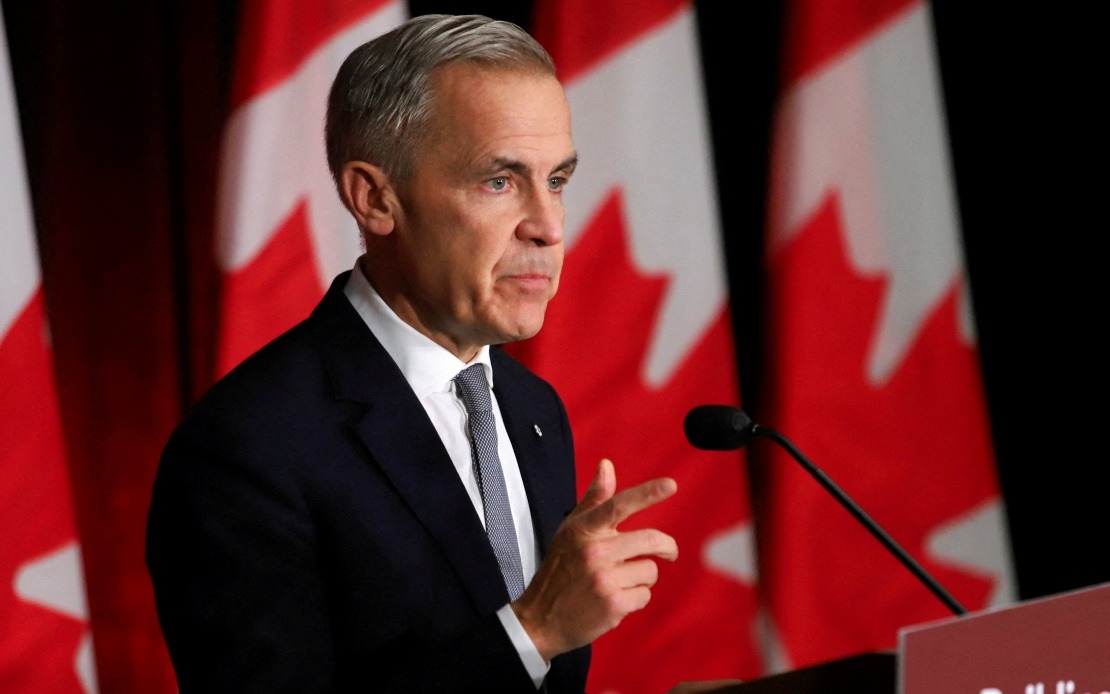
Canadian Prime Minister Mark Carney confirmed on Tuesday that he had directly engaged with US President Donald Trump to chart a path forward on trade disputes between the neighbouring nations. Following their conversation, both leaders committed to stepping up negotiations over the coming weeks, signalling an attempt to avert or mitigate an escalating tariff confrontation that threatens to disrupt cross-border commerce worth hundreds of billions of dollars annually.
The intensified diplomatic efforts come in response to Trump's actions on Monday, when he signed three executive proclamations establishing an additional 50 per cent tariff on a range of Canadian products. The US president justified the new duties by asserting that Canada had been unfairly discriminating against American commerce, a claim that Canadian officials have rejected as inconsistent with their bilateral and trilateral trade obligations.
The targeted goods subject to the tariffs include dairy products, alcoholic beverages, motor vehicles and related automotive components—sectors that form significant portions of bilateral trade and employ tens of thousands of workers on both sides of the Canada-United States border. The new duties are scheduled to take effect on August 19, according to documentation released by the White House, providing a narrow window for negotiations before the tariffs become operative.
Notably, the US administration chose to exempt certain strategic sectors from the additional duties. Energy products, potash, fish and critical minerals will remain outside the tariff regime, a decision that reflects particular sensitivities around domestic supply chains and geopolitical considerations. This selective approach suggests some willingness to negotiate over the scope and scale of trade restrictions, despite the administration's aggressive public posture.
Carney's response has been characteristically firm, framing the tariffs as part of a broader pattern of unilateral US trade actions. He contended on Monday that Trump's proclamations represent direct violations of the Canada-United States-Mexico Agreement (CUSMA), the trilateral trade pact that replaced the North American Free Trade Agreement. This framing is significant because it invokes international legal obligations and suggests that Canada may pursue formal dispute resolution mechanisms if negotiations fail.
The Canadian government has indicated it is prepared to explore all available response options should the tariffs take effect as scheduled. This language typically encompasses retaliatory measures, counter-tariffs on US goods, and appeals to international trade bodies. Canadian officials have previously signalled their capacity to impose duties on American agricultural products, vehicles and energy goods—sectors important to US political interests, particularly in agricultural states.
For Malaysian and Southeast Asian observers, this dispute carries important implications for the broader global trading system. Canada and the United States remain among the world's largest trading nations, and any sustained tariff conflict between them sends ripples through international supply chains. Many Southeast Asian manufacturers rely on cross-border North American production networks, and disruptions to this trade could increase costs or create bottlenecks for regional exporters.
The timing of these negotiations is particularly delicate given the political calendar and economic sensitivities in both countries. Automotive manufacturing, in particular, involves complex integrated supply chains spanning all three CUSMA nations, and tariffs on vehicles and components could significantly raise production costs across North America. This could eventually affect competitiveness of North American manufacturers in Southeast Asian markets and reshape investment decisions.
Moreover, the dispute reflects deeper tensions about trade protectionism that extend beyond Canada-US relations. If Washington succeeds in imposing significant tariffs without triggering formal dispute resolution, it may embolden similar actions against other trading partners, potentially destabilising the rules-based international trade order that has underpinned regional growth for decades.
The diplomatic engagement announced by Carney suggests that both governments recognise the economic costs of prolonged tariff disputes. However, the narrow timeframe before August 19 creates genuine pressure to achieve concrete results. Whether intensified negotiations can produce a resolution remains uncertain, particularly given Trump's demonstrated willingness to follow through on tariff threats in previous disputes with other nations and trading blocs.
The automotive sector stands as perhaps the most vulnerable component of this dispute. The integration of US, Canadian and Mexican production across vehicles and parts means that tariffs on motor vehicles could trigger cascading effects throughout the supply chain. Many companies have already expressed concern about cost inflation and potential job losses should the tariffs proceed.
Canadian officials have suggested they will not be forced into accepting unfavourable terms simply to avoid the tariffs. This negotiating stance indicates that while both sides are engaging diplomatically, fundamental disagreements about fair trade remain unresolved. The coming weeks will test whether good-faith negotiations can bridge those differences or whether tariff escalation represents the path forward.

