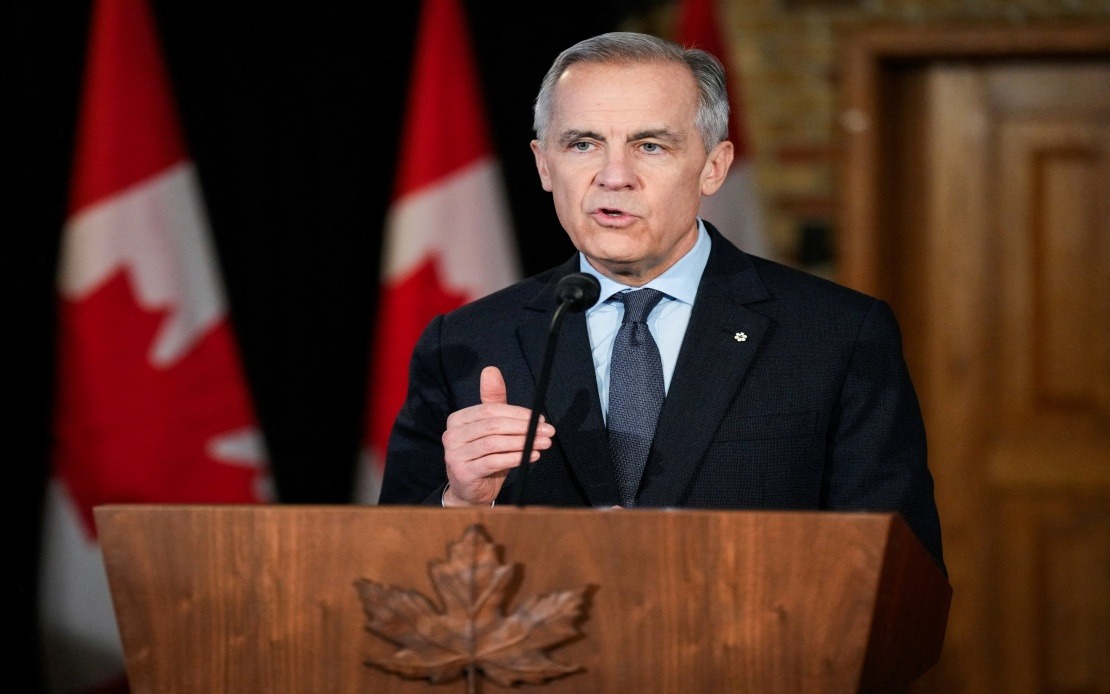
Canadian Prime Minister Mark Carney has confirmed that the temporary halt on punitive US tariffs targeting Canadian exports will persist through August 21, buying negotiators additional time to hammer out the details of a comprehensive trade agreement between the two North American neighbours. The announcement came after President Donald Trump agreed overnight to postpone the implementation of a 50 per cent duty on a broad array of Canadian merchandise, averting what would have been a significant blow to cross-border commerce.
The window for reaching a final accord remains extraordinarily tight, with the deadline set for the close of business Thursday this week. This compressed timeline underscores the intensity of ongoing discussions in Washington and Ottawa, where trade officials are working to resolve contentious issues that have strained relations between the countries in recent months. The negotiations have touched on supply chain vulnerabilities, sectoral competitiveness, and the terms under which bilateral trade will be conducted going forward.
Carney's statement emphasised that substantial headway has been achieved across multiple negotiating tracks, though he acknowledged that considerable labour remains before a deal can be finalised and formalised. The Canadian government has framed the negotiations as an opportunity to not merely stabilise the bilateral trading relationship but to strengthen Canada's position within North American commerce. The prime minister reiterated Ottawa's broader commitment to enhancing economic independence and competitive capacity, suggesting that any agreement must deliver tangible benefits beyond simply averting tariffs.
The imposition of 50 per cent tariffs would have rippled through the Canadian economy, affecting manufacturers, resource companies, and exporters across multiple sectors. Given that the United States absorbs roughly three-quarters of Canadian merchandise exports, such duties would have imposed immediate cost pressures on businesses reliant on cross-border supply chains. The temporary reprieve therefore provides crucial breathing room for Canadian exporters and their American counterparts to structure arrangements that might insulate them from escalating trade barriers.
For Malaysian observers and regional business communities, the Canada-US trade dynamics carry instructive implications. The episode illustrates how rapidly trade tensions can escalate when large economies employ tariffs as negotiating instruments, and conversely, how quickly deadlines can concentrate minds and drive compromise. Similar dynamics have played out in Southeast Asia, where countries navigate competing pressures from major trading partners and the need to maintain economic stability amid shifting geopolitical alignments.
The fact that such a substantial tariff rate—50 per cent—was even contemplated signals the depth of the underlying disputes between Washington and Ottawa. These disagreements likely extend beyond conventional trade irritants to encompass strategic concerns about supply chain resilience, investment flows, and the distribution of economic benefits across the North American region. The negotiations therefore represent not merely a temporary truce but potentially a recalibration of how the two countries will manage competition and cooperation in an era of heightened economic nationalism.
Canada's negotiating position has been complicated by its geographic proximity to the United States and the integrated nature of North American manufacturing networks. Canadian firms often function as components of American production chains, meaning that tariffs imposed by Washington create cascading costs throughout the continental economy. This structural interdependence limits Canada's leverage while simultaneously giving American policymakers an incentive to avoid excessive tariff escalation that would harm their own manufacturers and consumers.
The coming three days will determine whether negotiators can bridge remaining gaps and present a completed framework to political leaders for approval. Should they fail to reach accord by August 21, the 50 per cent tariffs would automatically take effect, potentially triggering retaliatory measures from Canada and further destabilising North American trade relations. The costs of such an outcome would extend beyond the bilateral relationship, potentially disrupting supply chains that connect to broader global commerce and affecting companies and workers throughout the region.
Carney's emphasis on pursuing economic independence and competitiveness suggests that Canada views the current negotiations as an opportunity to reshape its trade terms rather than simply accepting the status quo. This negotiating stance may indicate that Canadian officials are seeking commitments regarding sectoral access, investment protections, or other provisions that would strengthen Canada's medium-term economic position. Whether such ambitions can be squared with the need to reach a swift agreement remains a central question as the deadline approaches.
The suspension of tariffs until August 21 also provides a window for affected businesses and workers to prepare contingency plans should negotiations falter. However, the continued uncertainty itself imposes costs on the Canadian economy, as firms struggle to make investment and hiring decisions without knowing the permanent shape of the trade environment they will face. This dynamic illustrates how even temporary tariff threats can damage confidence and economic vitality, a consideration relevant to policymakers throughout Southeast Asia considering the use of trade restrictions as diplomatic tools.

