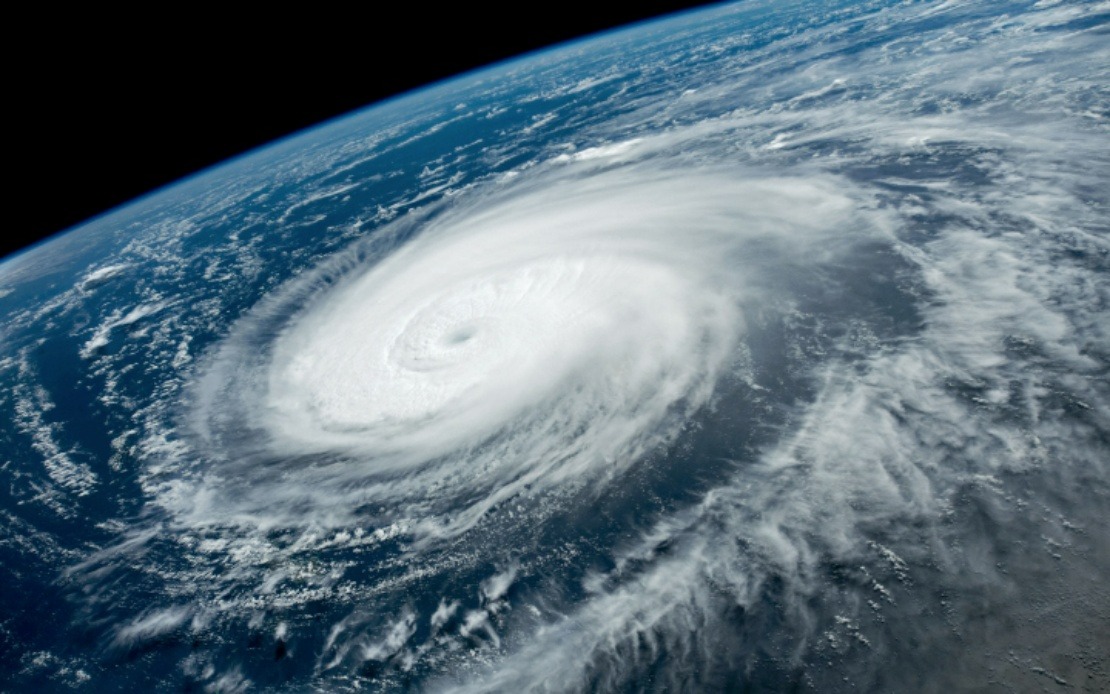
China's meteorological and emergency response authorities moved swiftly to heighten preparedness measures as Typhoon Dolphin drew closer to the nation's eastern coastline during the first week of August. The country's National Meteorological Centre upgraded its emergency response classification to Level III on Saturday, while simultaneously raising the public typhoon warning from yellow to orange—signals that forecasters expected the storm system to bring substantial danger to populated and economically significant regions along the coast.
The expected trajectory placed particular emphasis on two provinces at the centre of the anticipated impact zone. Meteorological projections indicated that Typhoon Dolphin would make landfall between Zhoushan in Zhejiang Province and Fuding in Fujian Province, with the most intense conditions anticipated from Sunday night through Monday morning. This geographical focus shaped the coordinated response across both provincial administrations, as officials recognised that the affected corridor encompassed major shipping lanes, industrial zones, and densely populated urban centres that required urgent protective action.
Zhejiang Province, already experienced in managing severe weather events, responded by escalating its own emergency protocols to the second-highest level. The provincial government deployed more than 4,000 trained monitors across the landscape to conduct intensive inspections of over 7,500 designated high-risk locations susceptible to secondary disasters. Landslides and other geological failures commonly accompany major typhoons in mountainous or steep-terrain areas, making these advance surveys critical for identifying vulnerable infrastructure and populations requiring evacuation or reinforcement before heavy rainfall arrived.
The scale of maritime and construction activity halted in preparation underscored the economic significance of the threatened region. All 162 passenger ferry routes operating throughout Zhejiang suspended services by the designated deadline, leaving thousands of regular commuters and travellers seeking alternative transport arrangements. Simultaneously, authorities ordered a halt to work across 193 offshore construction projects—a substantial portfolio reflecting the province's active development agenda—while directing 474 working vessels to seek shelter in protected ports. These measures represented a comprehensive shutdown of water-dependent commercial activity across the province.
Fujian Province implemented parallel protective measures with comparable scope. Forty passenger ferry routes ceased operations, and 115 offshore construction sites suspended activities by Saturday noon. In the coastal city of Fuding specifically, all 1,210 registered fishing boats had returned to port—a complete recall that would disrupt normal economic activity but minimised exposure of maritime assets and personnel to dangerous conditions. These actions reflected established protocols refined through decades of typhoon management in a region accustomed to seasonal tropical storms.
Shanghai, positioned at the mouths of the Yangtze River system and facing potential indirect impacts from weather systems affecting upstream regions, issued its own blue-level typhoon alert on Friday. Metropolitan forecasters warned residents and businesses to prepare for extended rough weather lasting up to four days, with particularly dangerous conditions involving strong winds and sustained heavy rainfall. The city's transport authorities preemptively announced suspension of certain train services throughout the Yangtze River Delta corridor, a decision that would affect millions of daily commuters and freight movements across one of China's most economically dynamic regions.
Expert assessment of the storm's potential severity informed the aggressive response posture. Xu Yinglong, chief forecaster at the National Meteorological Centre, provided comparative analysis suggesting that Typhoon Dolphin would likely surpass the destructive potential of Typhoon Bavi, which had made landfall in July. Dolphin's projected characteristics included stronger wind speeds and heavier cumulative rainfall—two factors that compound damage to buildings, infrastructure, and natural landscapes. This professional evaluation justified the elevated alert levels and extensive precautionary measures authorities had implemented.
China's institutional framework for weather emergency management provided the structural foundation for this coordinated response. The nation operates a dual-system approach combining a four-tier colour-coded public warning system with a separate four-tier internal emergency response mechanism. The colour system, ranging from blue (least severe) through yellow and orange to red (most critical), communicates risk to the general population. The emergency response system, with Level I representing maximum mobilisation and Level IV the lowest, guides government resource allocation and decision-making. By elevating both warnings simultaneously, authorities signalled that this event warranted near-maximum operational intensity across government agencies.
For Malaysian and Southeast Asian observers, the Typhoon Dolphin episode illustrated the sophisticated emergency management infrastructure that larger regional economies deploy when facing natural disasters. Malaysia's own monsoon seasons and occasional tropical storms create comparable challenges, though national experience and institutional capabilities vary. The Chinese example demonstrated how advance warning systems, comprehensive pre-storm protocols, and rapid decision-making at multiple government levels can minimise loss of life and economic disruption. The recall of thousands of vessels, suspension of hundreds of commercial operations, and deployment of specialised monitoring teams represented resource commitments proportional to the perceived threat—an approach that reflected both China's financial capacity and its institutional priorities around protecting population centres and critical infrastructure.
The broader context positioned Typhoon Dolphin within the pattern of extreme weather events becoming more frequent and intense across East Asia. Climate patterns driving tropical storm intensity remain subjects of ongoing scientific investigation, but the region's historical vulnerability to powerful typhoons shaped how governments approached emergency management. Chinese authorities' willingness to shut down entire sectors of economic activity—ferry networks, construction projects, fishing operations—reflected a philosophy prioritising immediate safety over short-term economic continuity. This calculus carried implications for supply chains, regional trade, and logistics networks spanning multiple countries, as disruptions to Chinese ports and transport corridors rippled through interconnected Southeast Asian economies dependent on smooth passage of goods and raw materials through affected regions.

