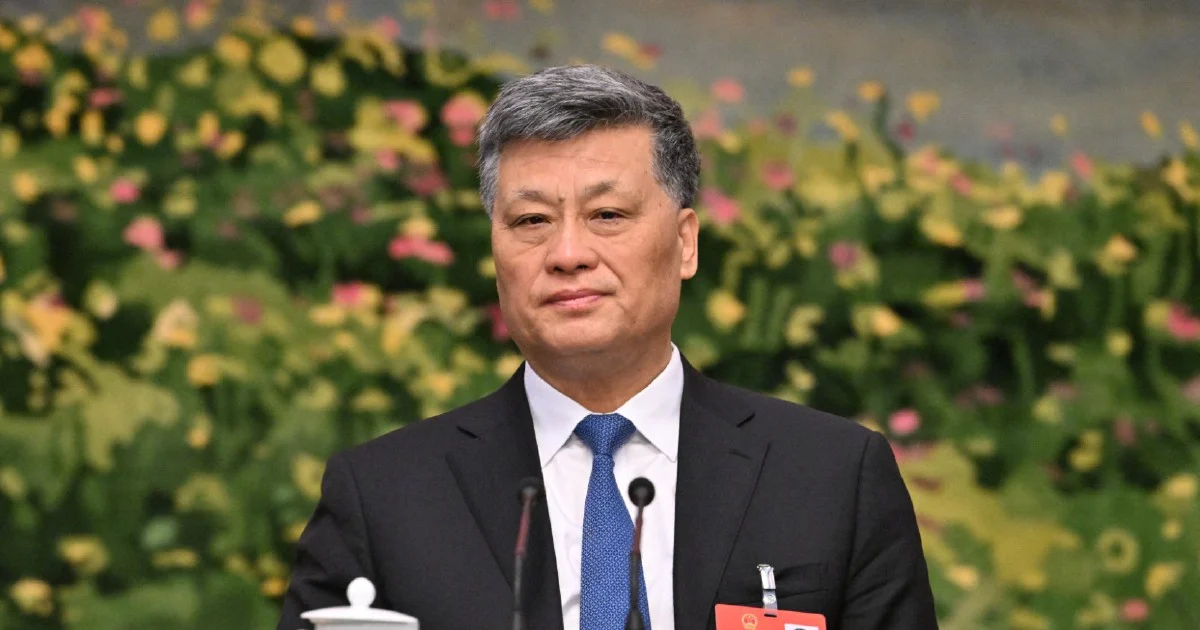
Beijing's disciplinary apparatus has delivered a decisive blow to a once-powerful Xinjiang administrator, expelling him from the Communist Party and removing him from every official post he held. The action, announced through state media channels on Tuesday, represents another installment in China's ongoing anti-corruption drive targeting regional officials whose positions once granted them considerable authority over the resource-rich northwestern region.
The investigation uncovered a range of misconduct allegations that extended beyond conventional graft. Prosecutors identified evidence of nepotism—the appointment of relatives to positions of influence—alongside direct bribery and payment for sexual services. These charges paint a picture of systemic misuse of power that Chinese authorities view as corrosive to party discipline and governmental legitimacy.
The expulsion carries substantial consequences within China's political system. Removal from the Communist Party effectively ends an official's career prospects and typically precedes criminal prosecution. Loss of all positions simultaneously prevents the individual from leveraging remaining influence while investigations continue. This comprehensive disciplinary response demonstrates Beijing's determination to enforce accountability, particularly among regional administrators who oversee ethnically diverse territories.
Xinjiang's strategic importance amplifies the significance of such cases. The region accounts for substantial shares of China's energy reserves, mineral wealth, and agricultural output. Officials administering these resources command exceptional leverage over economic distribution and infrastructure development. Corruption in Xinjiang therefore carries implications far beyond individual wrongdoing, potentially distorting investment patterns, delaying development projects, and undermining public trust in administrative institutions across the region.
China's anti-corruption campaign, initiated under Xi Jinping's tenure, has accelerated actions against high-ranking officials throughout the country. Xinjiang, given its economic weight and sensitive geopolitical status, has received particular scrutiny. Previous investigations into regional administrators have similarly uncovered multiple layers of malfeasance, suggesting systemic challenges in oversight mechanisms despite anti-corruption rhetoric.
The formal disciplinary process culminating in party expulsion typically involves extensive investigation by the Central Commission for Discipline Inspection, China's internal anti-corruption body. Findings are documented and substantiated before public announcement, lending credibility to officially disclosed allegations. However, critics note limited transparency in proceedings, with investigations often conducted without external oversight or independent verification mechanisms.
For Malaysian and Southeast Asian observers, such developments illustrate broader governance challenges within China's administrative apparatus. As Beijing expands regional influence through Belt and Road initiatives and infrastructure investments throughout Southeast Asia, questions about integrity standards among Chinese officials managing those projects remain relevant. Countries hosting Chinese-funded developments benefit from understanding corruption patterns and investigative mechanisms in China's system.
The sexual misconduct component of the allegations merits particular attention. Chinese disciplinary authorities increasingly incorporate charges related to payment for sexual services when targeting officials, treating such conduct as indicative of broader moral corruption and abuse of power. This expanded investigative scope reflects evolving standards regarding official conduct, though it remains distinct from criminal prosecution procedures.
The timing and announcement method reveal important details about internal party management. Public disclosure through state media signals that leadership views the case as appropriately concluded and resolved, strengthening perceptions of disciplinary effectiveness. Simultaneously, such announcements serve as warnings to other officials, reinforcing expectations regarding conduct standards and consequences for violations.
Xinjiang's status as a contested political space internationally adds complexity to these proceedings. China faces substantial international criticism over governance approaches in the region. While anti-corruption actions demonstrate institutional accountability mechanisms, they do not necessarily address broader questions about administrative practices or oversight structures that international observers raise.
The broader context of party discipline reveals hierarchical power structures within China's political system. Officials at various administrative levels face scrutiny proportionate to their position's significance and visibility. Xinjiang administrators historically wielded considerable autonomy, making them natural targets for reform efforts aimed at centralizing control and strengthening accountability.
Looking forward, this case exemplifies how Beijing addresses elite misconduct within its preferred institutional framework: party discipline rather than transparent judicial proceedings. For international partners and neighbouring countries, understanding these mechanisms provides insight into how Chinese leadership manages internal governance challenges and enforces compliance standards among officials wielding authority over strategically important regions.

