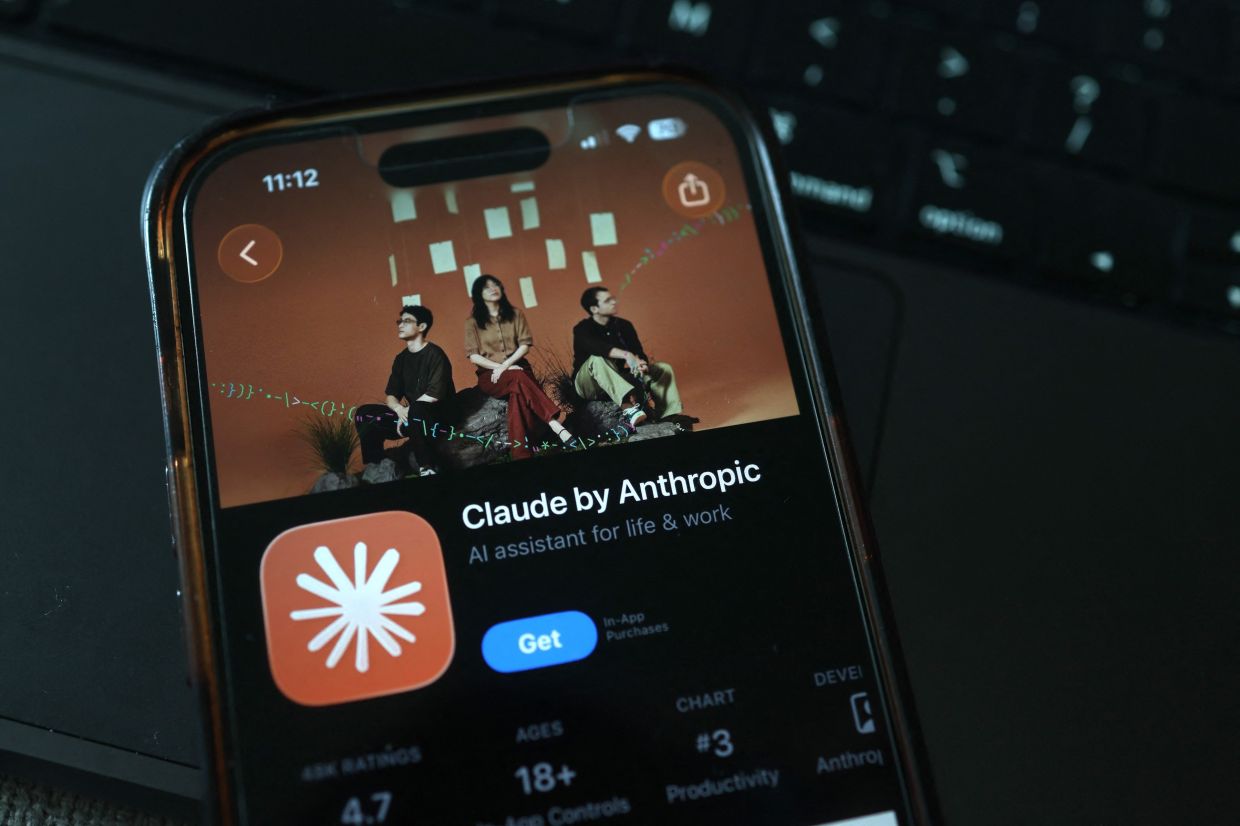
Chinese cybersecurity officials have raised concerns about what they describe as a concealed security vulnerability in Anthropic's Claude Code, an artificial intelligence tool designed to help programmers write, debug, and analyse software. According to China's National Vulnerability Database—a platform overseen by the Ministry of Industry and Information Technology—the purported backdoor poses significant risks by potentially enabling the unauthorised transmission of sensitive user information back to Anthropic's servers without explicit consent.
The alleged security flaw, as described by the NVDB, could compromise personal data including user locations and identity-related identifiers. This assertion carries particular weight in a region where data security concerns, especially regarding foreign technology companies, remain a persistent point of friction between Beijing and Silicon Valley. The timing of the disclosure, coupled with escalating tech tensions between the United States and China, has thrust the allegations into a broader geopolitical context that extends beyond simple cybersecurity protocol.
Claude Code itself represents a relatively new category of development tools—AI agents capable of autonomous code generation and problem-solving. Anthropic, the San Francisco-based startup behind Claude, has implemented geographic restrictions to prevent users in China and other nations it classifies as strategically concerning from accessing its services through conventional channels. However, these barriers remain porous, as technically sophisticated users routinely circumvent such limitations through virtual private networks and proxy services, making the company's official position on territorial access largely symbolic.
The NVDB's public advisory, published on its official channels, characterised the detected vulnerability as a "severe threat" and recommended that relevant institutions and users conduct immediate security audits of their systems. The statement urged prompt uninstallation of the affected version or immediate upgrading to versions from which the problematic code has allegedly been excised. Additionally, Chinese authorities recommended that organisations intensify their network traffic monitoring protocols to intercept any unauthorised data exfiltration.
In a significant corporate response, Chinese technology conglomerate Alibaba announced an internal ban on Claude Code effective from July 10, citing unspecified security concerns. This move signals that major Chinese enterprises are taking the allegations seriously and adjusting their vendor management practices accordingly. The episode also reflects the deepening suspicion with which Beijing now views foreign artificial intelligence tools, particularly those originating from American firms.
The relationship between Anthropic and Alibaba carries its own fraught history. Anthropic has previously levelled accusations against Alibaba for attempting to reverse-engineer its AI models through a technique known as distillation—essentially creating functionally similar systems by studying outputs rather than accessing proprietary code. These mutual allegations underscore the competitive intensity and mutual mistrust characterising the global AI race.
Thariq Shihipar, an engineer on Anthropic's Claude Code team, addressed the emerging controversy through social media, characterising the flagged code as part of a limited experiment initiated in March. According to Shihipar's account, the monitoring capability was intended to identify and prevent account misuse by unauthorised resellers and to defend against the distillation techniques that Anthropic claims competitors use to replicate its models. This explanation reframes the feature from a malicious backdoor to a defensive security measure, though it raises questions about why such tracking occurred without more transparent user notification.
Shihipar further indicated that Anthropic's engineering team had since implemented stronger protective mechanisms and had been planning to deactivate the original monitoring functionality for some time. He stated that the controversial code would be fully removed in the July 2 release, suggesting that the company's timeline for addressing the issue preceded the public controversy by several days. This detail becomes important for evaluating whether Anthropic was responding to external pressure or following through on previously scheduled updates.
The incident highlights the broader challenge facing international technology companies operating across ideological and geopolitical divides. For Malaysian businesses and government entities, the episode presents a cautionary lesson about the complexity of evaluating foreign technology tools, particularly those developed by American companies that may be subject to different regulatory frameworks and strategic considerations than Southeast Asian nations typically prioritise. The tension between innovation access and data sovereignty remains unresolved.
Anthropically has not formally responded to detailed inquiries regarding the specific allegations, leaving many technical questions unanswered. This communication gap may itself fuel continued speculation and mistrust, particularly given the heightened sensitivity surrounding data flows and national security in technology policy. For regional technology practitioners and procurement officers, the unfolding situation underscores the importance of rigorous vendor assessment, transparent data handling policies, and clear contractual protections regarding user information.
The Claude Code episode also illuminates the particular vulnerabilities facing artificial intelligence tools, which by their nature require significant data inputs and generate substantial outputs that could theoretically be monitored or redirected. As Southeast Asian organisations increasingly adopt AI-driven development practices, understanding these risks and maintaining appropriate safeguards will become essential to protecting institutional and national interests in an increasingly AI-dependent technology landscape.

