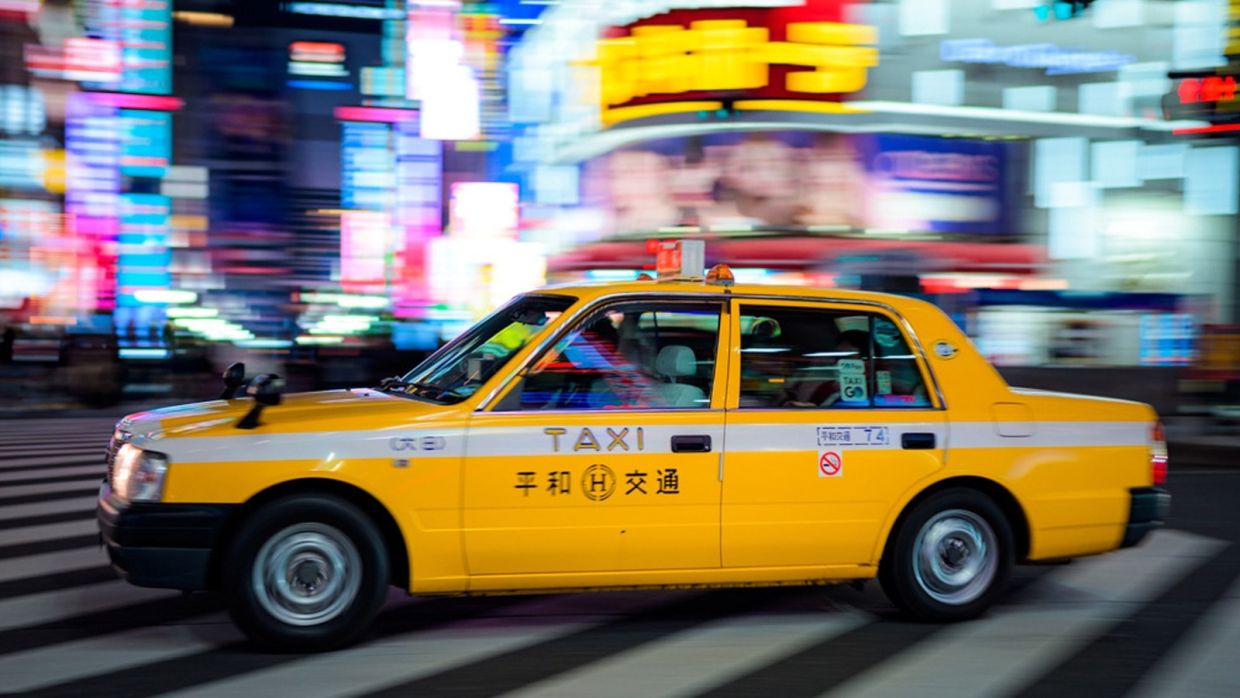
A 41-year-old Chinese national has been taken into custody by Tokyo police on suspicion of orchestrating an elaborate scheme to provide unlicensed taxi services to tourists across the Japanese capital. Wang Xiaoyu faces charges of violating the Road Transportation Act after allegedly establishing a network that circumvented Japan's strictly regulated commercial transportation system. The case highlights persistent regulatory challenges as Japan grapples with surging visitor numbers and the proliferation of grey-market ride services.
Wang's operation centred on exploiting a loophole in Japan's transportation licensing framework. Operating under the name Phoenix Kokusai, he systematically leased vehicles registered as "urban hire" to individuals who were not formal company employees. These drivers then used the vehicles to offer taxi-like services to paying customers, including Chinese tourists and other visitors, between February and April of this year. The arrangement allowed Wang to profit from transportation demand while avoiding the stringent licensing requirements that govern traditional taxi operations.
The financial scale of the enterprise underscores its sophistication. Tokyo Metropolitan Police Department investigators determined that Wang extracted approximately 38 million yen—equivalent to roughly USD 233,000—from eighteen drivers who paid fees for the privilege of operating under Phoenix Kokusai's registered name. This revenue stream spanned from November 2024 through May 2026, suggesting the operation had been generating substantial income even before police intervention. Wang has contested some aspects of the allegations, though the evidence appears considerable.
The operational mechanics of the scheme relied fundamentally on Japan's green licence plate system, which designates commercial hire vehicles. Introduced in 2014, the "urban hire" category was designed to expand transportation options for tourists and business travellers through advance reservation services requiring minimum two-hour charters. However, law enforcement agencies across Japan have consistently flagged a critical vulnerability: vehicles bearing green plates are extraordinarily difficult to distinguish from legitimate operations through visual inspection alone. This regulatory blind spot created the perfect environment for enterprising operators like Wang to operate with relative impunity.
The investigation emerged from a different source of pressure entirely. Conventional taxi drivers operating in Tokyo, facing revenue pressures from the mushrooming informal transportation market, filed complaints alleging that urban-hire vehicles were openly soliciting passengers at Haneda Airport—Japan's busiest aviation hub and a crucial entry point for international visitors. These reports prompted police to launch a systematic investigation that ultimately unravelled Wang's network. Three additional drivers, all Chinese nationals, were also arrested and face identical charges under the Road Transportation Act for their roles as operators within the illegal transportation system.
The broader context reveals why such schemes have become increasingly common. Japan's Ministry of Land, Infrastructure, Transport and Tourism documented explosive growth in the urban hire vehicle sector. The number of registered vehicles in this category surged from just 3,868 in fiscal 2013 to 8,850 by fiscal 2024. This tenfold expansion reflects genuine transportation demand driven by Japan's historic tourism boom, particularly from visitors originating in neighbouring Asian countries. However, rapid growth in a loosely regulated sector inevitably attracts entrepreneurs willing to bend or break rules for profit.
For Malaysia and broader Southeast Asia, the Tokyo case carries important implications. As Malaysia similarly experiences climbing inbound tourism numbers and faces its own transportation regulation challenges, the vulnerabilities exposed in Japan's system merit careful study. Ride-sharing and alternative transportation models are expanding across the region, yet regulatory frameworks frequently lag behind technological and operational innovation. The Wang case demonstrates that even developed economies with sophisticated enforcement apparatus struggle to maintain control over informal transportation networks.
The incident also reflects broader tensions around informal employment and labour conditions. The drivers working for Wang operated as independent contractors rather than salaried employees, receiving no employment protections, insurance, or regulatory oversight. This arrangement transfers all legal and financial risk to individual drivers while concentrating profit at the organisational level. Such employment models are increasingly common across Southeast Asian transportation sectors, from ride-sharing platforms to informal shuttle services.
Moreover, the case underscores how international tourist flows can create opportunities for regulatory arbitrage. Wang's apparent targeting of Chinese tourists specifically suggests he identified a linguistic and cultural affinity that could be exploited—tourists unfamiliar with Japanese regulations might be less likely to question the legitimacy of services marketed to them in their native language. This dynamic extends across Southeast Asia, where similar vulnerabilities exist when tourists from high-population countries encounter unfamiliar transportation ecosystems.
Japan's response demonstrates both the challenges and possibilities of enforcement. Despite the green plate system's inherent transparency problems, dedicated investigation ultimately exposed Wang's network and resulted in multiple arrests. However, the fact that the investigation required specific complaints from competing taxi drivers suggests reactive rather than proactive enforcement. Going forward, Japanese authorities will likely implement stricter monitoring mechanisms and perhaps modify the green plate regulations themselves to reduce exploitability.
The incident also reveals important generational and technological dimensions. Wang's operation functioned in a relatively low-tech manner—drivers directly paid fees, vehicle assignments likely occurred through informal networks or basic communication platforms. Yet even this unsophisticated approach generated substantial revenue over several months. More technologically sophisticated versions using dedicated ride-hailing applications could potentially evade detection far more effectively, suggesting that regulatory challenges will intensify rather than diminish.
For taxi industries across Southeast Asia, the Tokyo case offers both warning and vindication. Warning because it demonstrates how quickly informal competitors can establish themselves within tourism ecosystems; vindication because it illustrates that governments ultimately retain enforcement capacity if they choose to exercise it. Malaysia's own transportation regulators may find it instructive that Tokyo authorities treated the matter seriously enough to pursue international charges rather than overlooking it as a minor infraction.
Moving forward, the Wang case may catalyse regulatory reform in Japan and serve as a cautionary reference point as Malaysia and other Southeast Asian nations navigate the complex intersection of tourism growth, transportation innovation, and regulatory coherence. The fundamental challenge remains unchanged: how to foster competitive transportation markets that serve tourist needs while maintaining safety standards and protecting legitimate industry participants from unfair competition by operators unconstrained by legal obligations.

