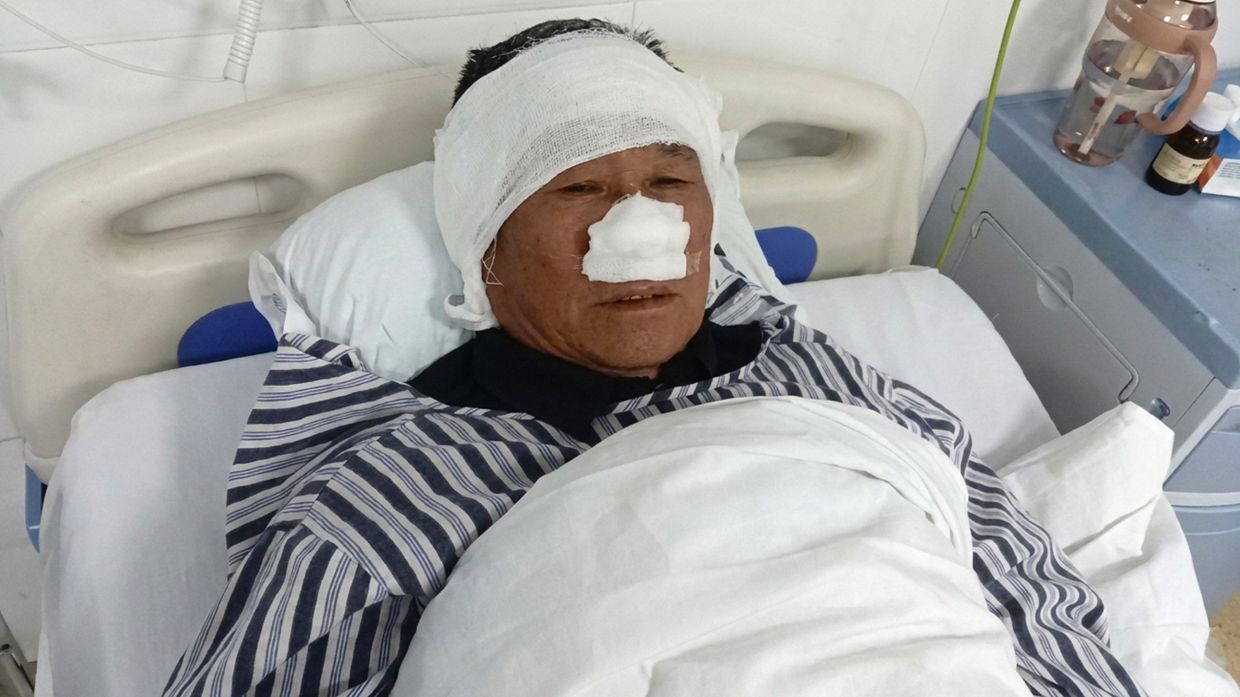
Zeng Fanlin, a 69-year-old former village official and volunteer mediator from Chenzhou in Hunan province, has been posthumously honoured by China's government for his extraordinary sacrifice during a violent street assault in April. The recognition places Zeng among 86 individuals named to the nation's latest list of "national heroes for a just cause," an honour reserved for those who demonstrate exceptional courage in protecting public safety and saving lives at great personal cost.
The incident that changed Zeng's life unfolded when a man in his twenties entered the village in a state of emotional distress and began attacking passers-by indiscriminately while kicking at doors and windows. The rampage created an atmosphere of fear that paralysed bystanders, who chose to call police rather than intervene. The situation escalated dramatically when the attacker targeted a woman riding an e-bike, seizing her by the neck with evident intent to cause serious harm. In that critical moment, with the victim facing imminent strangulation and no one else willing to act, Zeng made the split-second decision to rush toward danger rather than away from it.
The intervention itself became a brutal physical confrontation. Zeng tackled the aggressor, and two other villagers eventually joined the struggle to restrain him. During the violent scuffle, the attacker resorted to biting, and in an act of desperation or rage, severed a significant portion of Zeng's nose. The injury was catastrophic—medical assessments later determined that most of the nose had been lost—yet Zeng maintained his grip on the assailant until police arrived on scene. His determination to hold the suspect for authorities, despite suffering what would normally be a disabling injury, underscores the physical and psychological fortitude that characterises genuine heroism.
The medical consequences of Zeng's bravery proved severe and long-lasting. Hospital doctors warned that reconstructing most of a missing nose presented extraordinary surgical challenges, with unavoidable risks of permanent scarring, functional complications, and chronic pain. The medical team developed an ambitious reconstruction strategy that would require multiple surgical interventions and an extended recovery period stretching at least six months. The total medical bill exceeded 70,000 yuan (approximately US$10,000), a substantial sum that the local government supported, reflecting official recognition of Zeng's service even before the national honour was conferred.
Zeng underwent two surgical procedures to restore his facial anatomy. Surgeons employed a skin graft harvested from his scalp to rebuild the nose structure and reconstruct the nasal wings, work that at least restored his ability to breathe normally through his nose. However, the physical toll remains evident—Zeng continues to experience daily pain from the injury, a constant reminder of the price he paid in those seconds when he chose to act. His philosophical acceptance of this permanent damage, expressed through statements to local media, reveals a man whose values transcend physical comfort or vanity. "Compared with saving a life, everything I have given is worth it," he told reporters, articulating a moral framework that prioritises human life above bodily integrity.
Zeng's character was shaped by early adversity that cultivated his sense of obligation to others. Orphaned during childhood, he survived and eventually flourished through the direct assistance of his village community and government educational support that allowed him to attend school without cost. This history of dependence on collective care appears to have instilled in him a lifelong commitment to reciprocating that kindness through community service. His daughter describes him as a man incapable of ignoring injustice, someone whose strong sense of right and wrong compelled him to intervene even when doing so placed him in danger. This character trait had manifested previously in 2016, when Zeng provided crucial assistance to police in apprehending a thief.
The attacker's motivations and legal fate remain central to understanding the broader context. According to police investigations reported in local media, the perpetrator's violent outbreak stemmed from a loss of emotional control rather than any calculated malice. The suspect was taken into custody immediately following his apprehension at the scene. Under China's criminal law, intentionally causing serious bodily injury carries sentences ranging from three to ten years imprisonment, a penalty framework that has prompted online observers to call for the attacker to receive strict punishment commensurate with the permanent harm inflicted. The case remains under active investigation by authorities.
Zeng's bravery did not go unrecognised by China's private sector and media establishments. The Alibaba Foundation and local news organisations subsequently awarded him 20,000 yuan in recognition of his heroic actions, supplementing the government's medical support. The official naming of Zeng to the national heroes list in July represented the ultimate institutional validation of his actions, placing his sacrifice alongside 85 other individuals deemed to have exemplified the highest standards of public virtue and community service.
For readers across Southeast Asia and the broader region, Zeng's story carries resonance beyond the particulars of his province. It raises enduring questions about the social obligations individuals owe to strangers, the calculus of personal safety versus collective welfare, and how societies recognise and reward those who make extraordinary sacrifices. The case also illustrates the consequences of untreated mental health crises and the sometimes devastating outcomes when individuals experiencing emotional disturbance gain access to potential victims without intervention. Zeng's willingness to act, and his philosophical acceptance of permanent injury as a proportionate cost for preserving another's life, offers a counterpoint to the paralysis that often characterises modern urban responses to violence and emergency.

