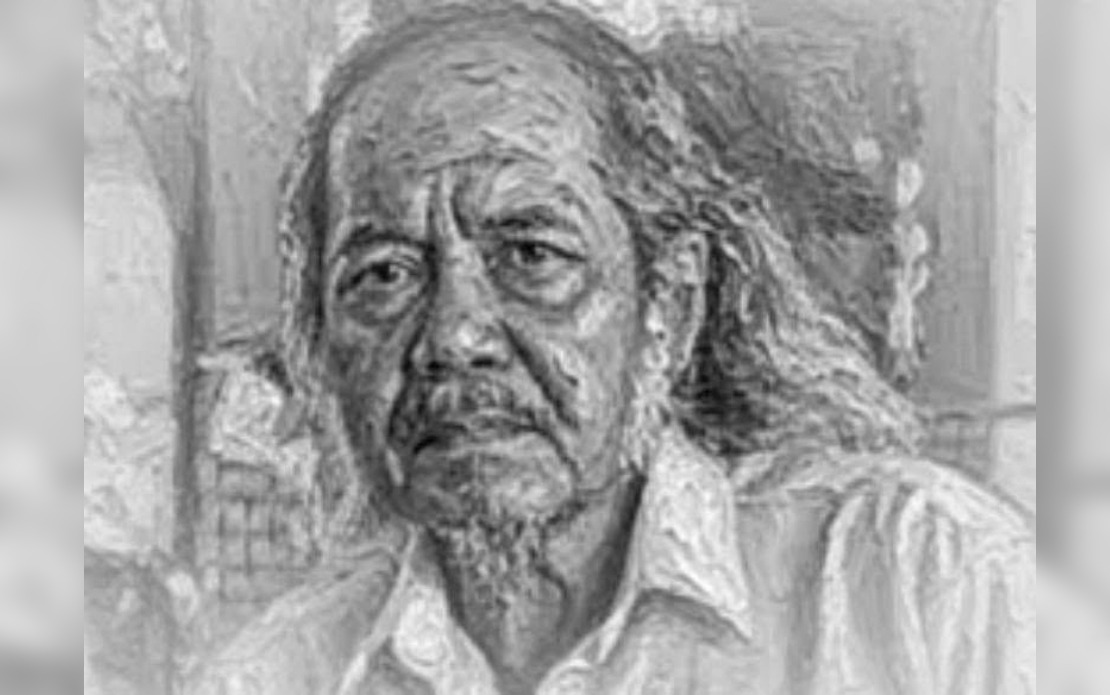
The Malaysian Artistes' Association (SENIMAN) has expressed profound sadness at the death of veteran actor Kamarozaman Yusoff, popularly known as Cik Man, who passed away at age 68 following heart complications. The respected thespian died at 5.30 pm at Tanah Merah Hospital in Kelantan, leaving behind a substantial artistic imprint on Malaysia's entertainment landscape that SENIMAN leadership says will continue to resonate for generations.
According to SENIMAN secretary-general Hafiz Nafiah, Cik Man occupied a distinctive and valued position among Malaysia's most accomplished character actors. His career trajectory spanned more than four decades, during which he became synonymous with authentic, emotionally resonant performances that authentically captured the nuances of human experience on screen. The Kelantan dialect became his calling card, something he wielded with such natural fluency that it became inseparable from his public identity and artistic reputation.
What distinguished Cik Man from many of his contemporaries was his deliberate avoidance of the spotlight despite his considerable talents. Hafiz emphasised that the late actor pursued his craft with remarkable discipline and unwavering commitment, qualities that earned him deep respect among fellow professionals and younger performers who often looked to him as a model of artistic integrity. This humble approach to a profession often driven by ego and self-promotion set him apart and endeared him to peers throughout the Malaysian entertainment industry.
Hafiz noted that Cik Man's breakthrough came through his portrayal of Farouk in Gila-Gila Remaja in 1986, a role that introduced audiences to his particular talents and distinctive screen presence. Following this initial success, he methodically built a diverse and impressive filmography that demonstrated his versatility across multiple genres and production scales.
Throughout the 1980s and beyond, Cik Man appeared in numerous significant productions including Rozana Cinta 87, the comedy-action films Rock, Rock Oo!, Rock Bro!, and the dramatic work Tiada Tajuk. His presence could also be found in horror cinema through Cerita Hantu Malaysia, family entertainment such as Mael Totey The Movie and Abu Si Raksasa, and television drama series including the notably popular Banyak Chanteq. This breadth of work demonstrated his capacity to move seamlessly between serious dramatic roles and lighter, comedic material.
Among his most enduring contributions to Malaysian cinema was his involvement in the Rock film trilogy, directed by the late Mamat Khalid. These productions have attained a quasi-legendary status in local film history, and Cik Man's characterisation within this series has become iconic, continuing to captivate audiences decades after the films' initial release. The trilogy represents a golden period in Malaysian filmmaking, and Cik Man's participation in these projects cemented his place in the nation's cinematic pantheon.
The loss of Cik Man represents more than the passing of an individual performer. For the Malaysian arts industry, his death signals the departure of someone who modelled a particular approach to acting—one grounded in craft, authenticity, and service to storytelling rather than personal aggrandisement. In an entertainment ecosystem increasingly dominated by celebrity culture and social media popularity contests, Cik Man's career trajectory offers a contrasting example of artistic success achieved through consistent work and genuine talent.
For younger actors currently navigating Malaysian cinema and theatre, Cik Man's legacy extends beyond his filmography. His approach to character work, his mastery of regional dialect and cultural specificity, and his commitment to meaningful performances regardless of a role's prominence in a production, all serve as instructive examples. Regional audiences, particularly in Kelantan and across the northern tier of Malaysia, will likely remember him with particular affection given his authentic embodiment of their cultural voice on screen.
SENIMAN's formal statement underscored that while the entertainment world has lost an exceptional creative voice, the body of work Cik Man left behind ensures his artistic contributions will continue to educate, entertain, and inspire viewers. The organisation extended prayers for his soul, reflecting the significance of his role not merely as an entertainer but as a custodian of Malaysian cultural expression through the dramatic arts.

