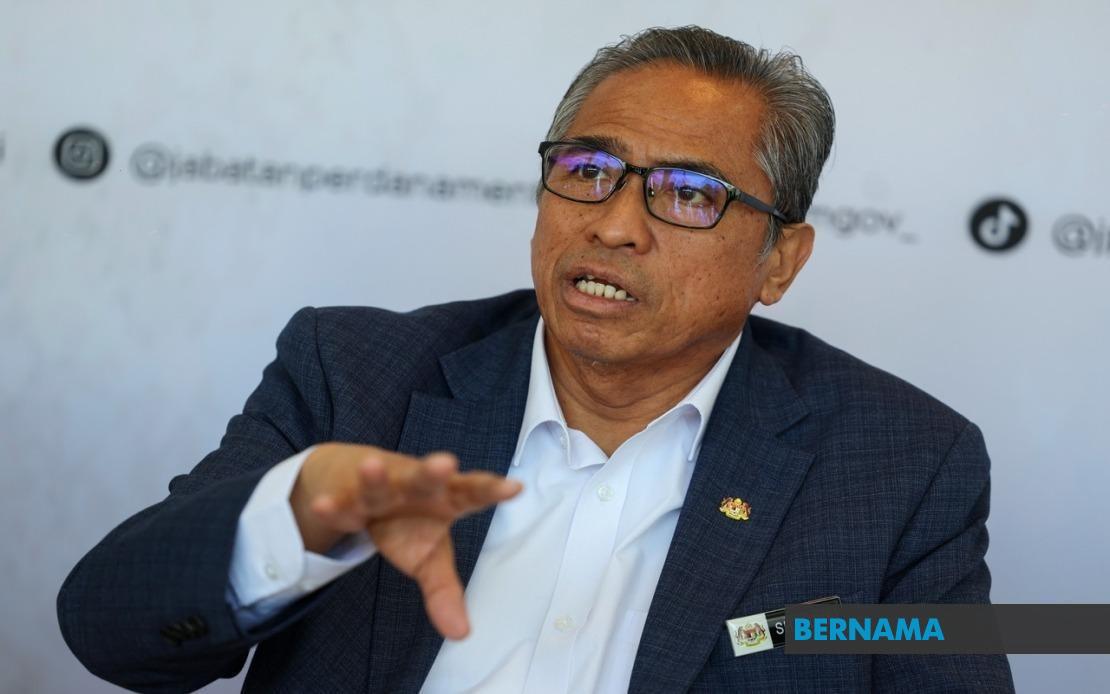
The machinery of government must pivot swiftly to capitalise on diplomatic gains being secured at the highest levels of statecraft. This was the thrust of remarks delivered by Chief Secretary to the Government Tan Sri Shamsul Azri Abu Bakar, who underscored that Malaysia's recent diplomatic engagements abroad must translate into tangible benefits for citizens at home. The call highlights an emerging challenge facing the nation's administrative apparatus: the gap between foreign policy achievements and their implementation through domestic economic mechanisms.
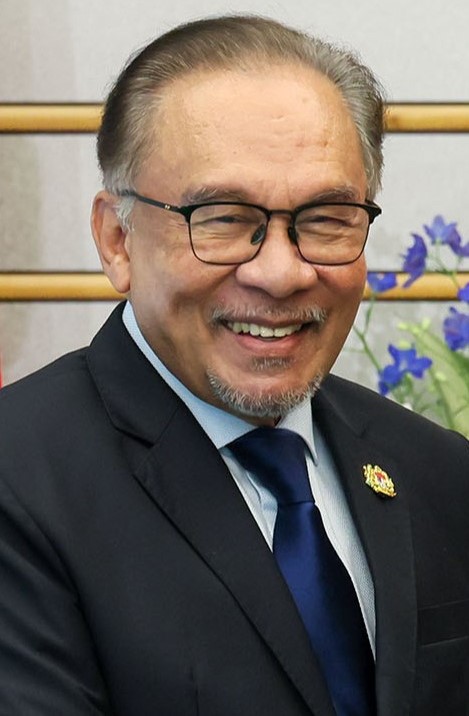
Prime Minister Datuk Seri Anwar Ibrahim's recent working visits to Russia and Turkemenistan have repositioned Malaysia within the evolving global economic order, establishing new commercial partnerships while reinforcing ties with traditional trading partners. These missions represent part of a broader strategic recalibration aimed at diversifying Malaysia's economic partnerships beyond traditional Western-centric frameworks. However, Shamsul Azri's remarks suggest that these diplomatic victories will amount to little without parallel reforms within the public administrative structure. The Chief Secretary framed the civil service not merely as an implementer of policy, but as the institutional engine that must convert geopolitical opportunity into economic momentum.
The challenge articulated by Malaysia's top civil servant is acute across Southeast Asia, where bureaucratic capacity often fails to match political ambition. Shamsul Azri emphasised that government officials—particularly those within trade and economic ministries—must demonstrate heightened preparedness and organisational agility. This requirement reflects a fundamental reality: securing a contract or establishing a trade relationship abroad means little if domestic institutions cannot execute the legal, regulatory, and logistical frameworks necessary to realise those agreements. The implication for Malaysia's competitive position in attracting investment is significant; investors evaluate not only the terms negotiated at the diplomatic level but also the reliability and efficiency of government institutions implementing those arrangements.
The Chief Secretary referenced the Public Service Reform Agenda (ARPA) and its "internationalisation" enabler as the conceptual framework through which this transformation should occur. This signals recognition that Malaysia's civil service requires not incremental adjustments but substantial capacity building in global economic literacy and strategic partnership formation. Officials must move beyond conventional administrative competence toward what Shamsul Azri termed "global mindset" capability—the ability to understand shifting international market dynamics and position Malaysia advantageously within them. This represents a departure from traditional civil service culture, which has historically emphasised protocol adherence and hierarchical decision-making over entrepreneurial engagement with global actors.
The invocation of MADANI Diplomacy and the "Whole-of-Government" approach signals the administration's attempt to create coherence across fragmentary bureaucratic structures. In practice, this means trade ministries must coordinate seamlessly with investment boards, regulatory agencies must align with commercial promotion bodies, and diplomatic missions must integrate their work with domestic economic planning. Such coordination has historically challenged Malaysian government operations, where ministerial silos and unclear jurisdictional boundaries can create delays and contradictions in implementing international agreements. Shamsul Azri's emphasis on these frameworks suggests awareness that diplomatic success requires underpinning institutional reform.
The focus on Ease of Doing Business initiatives represents Malaysia's attempt to position itself as Southeast Asia's most administratively efficient investment destination. In a region where Singapore has long dominated the category, Malaysia seeks to differentiate itself by combining political stability with reduced bureaucratic friction. The implication is that Malaysia's diplomatic outreach to Russia, Turkmenistan, and other non-traditional partners will bear fruit only if the regulatory environment welcomes their capital and facilitates their operations. This competitive positioning within the Association of Southeast Asian Nations carries particular urgency given the region's growing attractiveness to global investors seeking to diversify away from China-dependent supply chains.
Job creation emerges as a critical success metric in Shamsul Azri's framework. The Chief Secretary explicitly linked successful implementation of international agreements to the generation of high-income employment for Malaysians. This represents a political imperative alongside an economic one; the legitimacy of diplomatic engagement rests on demonstrable benefits reaching ordinary citizens rather than remaining confined to elite commercial networks. The challenge of converting foreign direct investment into broad-based employment gains has proven vexing across Southeast Asia, where capital-intensive projects often create fewer jobs than expected while generating disputes over technology transfer and local participation.
Commodity supply security represents another dimension of Shamsul Azri's stated priorities, reflecting Malaysia's vulnerabilities as a resource-dependent economy. Recent global supply chain disruptions and geopolitical tensions have highlighted the risks of over-reliance on single trading partners or supply routes. The diplomatic missions to Russia and other partners implicitly address these vulnerabilities by seeking diversified sourcing arrangements and long-term supply agreements. The civil service, in this context, must manage complex negotiations around commodity pricing, delivery reliability, and dispute resolution mechanisms that exist beyond Malaysia's immediate control.
Maintaining Malaysia's competitive position as a global investment destination requires constant institutional calibration in a rapidly shifting international landscape. Shamsul Azri's remarks implicitly acknowledge that competitor nations—from Vietnam to Indonesia to Thailand—are simultaneously pursuing similar diplomatic and economic initiatives. Malaysia's advantage lies not in negotiating capacity, where peers are comparable, but in execution efficiency and institutional reliability. This elevates the civil service from administrative support structure to frontline competitive asset. Officials at every level must internalise this responsibility and calibrate their work accordingly.
The emphasis on converting diplomatic agreements "swiftly" into tangible outcomes reflects awareness that international business cycles move faster than traditional government operations. Investment decisions are time-sensitive; companies shopping for Southeast Asian manufacturing locations or resource partnerships will move to competitors offering faster regulatory clearance and operational setup. The civil service must therefore adopt private-sector sensibilities regarding project timelines and decision velocity while maintaining public-sector accountability standards. This cultural shift remains incomplete across Malaysian government institutions, representing perhaps the most significant implementation challenge underlying Shamsul Azri's appeal.
Looking forward, the effectiveness of Malaysia's diplomatic and economic strategy will be measured not by the prestige of agreements signed but by their concrete implementation outcomes. Employment numbers, foreign direct investment inflows, trade volume growth, and investor satisfaction surveys will ultimately determine whether the civil service has successfully translated diplomatic vision into economic reality. The Chief Secretary's call to action suggests awareness that this institutional transformation remains a work in progress, requiring sustained attention and reform beyond rhetorical endorsement of new frameworks and approaches.