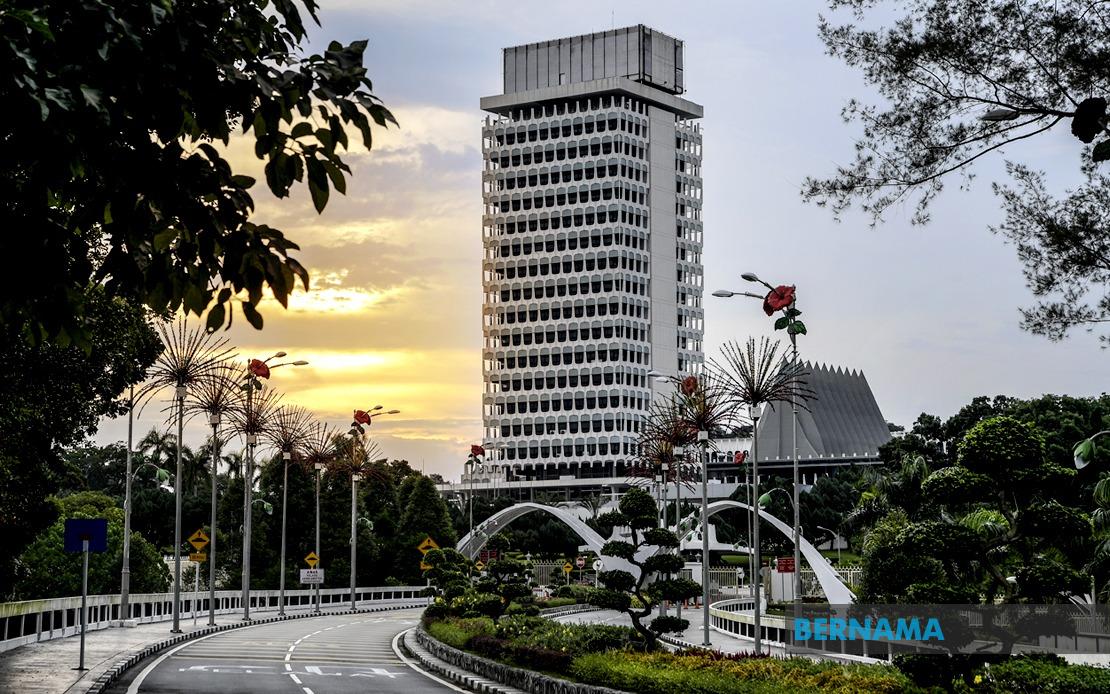
A broad coalition of Malaysian civil society organisations and concerned citizens has made a forceful case for political stability, calling on the 15th Parliament to serve its complete five-year mandate through December 18, 2027. The appeal, endorsed by 44 NGOs and 25 individuals in a joint statement, reflects growing anxiety among reform advocates that premature elections could derail critical structural changes needed to safeguard Malaysia's democratic institutions. Rather than pursue the political expedience of early dissolution, the groups argue, Malaysia's leadership should prioritise completing a substantial reform agenda that would benefit any future government regardless of political colour.
The coalition represents a remarkable cross-section of Malaysian civil society, spanning religious youth movements, election monitoring bodies, anti-corruption watchdogs, and governance think tanks. Signatories include Projek SAMA, ABIM, Bersih, C4 Center, GBM, IDEAS, KLSCAH and IKRAM—organisations that historically approach political matters from diverse ideological perspectives. Their united position underscores the shared conviction that institutional decay poses a greater threat to Malaysia's long-term stability than the risks typically associated with a full parliamentary cycle. This consensus carries particular weight because these organisations have often criticised government policies and cannot be dismissed as partisan cheerleaders.
Central to their appeal is a proposal that Prime Minister Datuk Seri Anwar Ibrahim convene a summit bringing together leaders from all parliamentary parties, both government and opposition. Such a cross-party forum would be tasked with hammering out a shared reform agenda for the remaining years of this parliament. The notion of opposition leaders collaborating on constitutional matters reflects the civil society view that democratic strengthening transcends electoral competition. When institutions are weakened, all political actors ultimately suffer; conversely, robust checks and balances protect minority rights and constrain executive overreach regardless of which coalition holds power.
The reform package outlined in the statement addresses several foundational governance challenges. Constitutional amendments separating the Attorney General's role from the Public Prosecutor function would end a structural arrangement widely viewed as creating conflicts of interest and reducing prosecutorial independence. Introducing a ten-year limit on prime ministerial tenure would prevent any individual from accumulating excessive personal power and would encourage fresh thinking at the apex of government. These changes strike at core questions of accountability that have preoccupied Malaysian observers for years.
Legislative innovations proposed include establishing an Ombudsman Act and Freedom of Information Act—tools increasingly standard in democracies but conspicuously absent from Malaysia's governance framework. The Freedom of Information legislation would bring transparency to government decision-making, reducing opportunities for corruption and enabling informed public participation in policy debates. An ombudsman's office would provide citizens with a mechanism to challenge administrative decisions without expensive litigation, democratising access to justice. Neither law would require radical constitutional rewrites; both represent procedural modernisation that most democracies have implemented.
The coalition also targets the electoral landscape, proposing amendments to the Election Offences Act 1954 and expansions of postal and absentee voting for Malaysians living abroad or campaigning outside their constituencies. These changes would reduce barriers to political participation and ease logistical constraints that currently disenfranchise diaspora voters. More ambitiously, the groups advocate introducing party-list proportional representation at state level for a portion of assembly seats, a reform that would amplify voices of women, youth, Orang Asli, and minority communities often marginalised under first-past-the-post mechanics. Such electoral restructuring remains contentious, but the civil society argument—that plural representation strengthens legitimacy—merits serious consideration.
Financial transparency in constituency development also features prominently in the reform agenda. Currently, only ruling coalition assemblymen and parliamentarians receive discretionary development allocations, a system that entrenches electoral advantage and distributes public resources on partisan lines. Legislation mandating equitable distribution to opposition representatives would modernise governance and signal commitment to impartial stewardship of public funds. This principle should extend to state level, where the groups urge all thirteen state governments to adopt similar transparency and fairness frameworks.
Parliamentary institutional capacity represents another critical dimension. The coalition calls for strengthening parliamentary committees, streamlining budget processes, and establishing clearer pathways for private members' bills. Such procedural reforms would shift power away from the executive branch toward the legislature, enabling backbench MPs to initiate legislation and scrutinise government spending more rigorously. Stronger committees would provide opposition members with platforms to challenge policies and extract information, improving legislative oversight without destabilising coalition government.
The timing of this appeal deserves scrutiny. As speculation swirls about possible early elections, civil society actors are essentially asking Malaysia's political leadership to step back from the electoral calendar and embrace institution-building instead. This represents a gamble: if parliamentary dissolution occurs before these reforms materialise, the momentum will dissipate and years may pass before such proposals resurface. Conversely, completing a full term with a reform mandate would establish precedents and normalise expectations that future governments respect constitutional limits and enhance transparency.
For Southeast Asia, Malaysia's institutional trajectory holds regional significance. As an established democracy wrestling with backsliding pressures, Malaysia's choices between procedural strengthening and electoral competition offer lessons for neighbouring states grappling with similar tensions. A parliament that prioritises structural reform over political short-termism would demonstrate that electoral competitiveness and institutional deepening need not be contradictory goals. Conversely, if parliamentary dissolution interrupts reform, the message to Myanmar, Thailand, and Cambodia—all societies seeking democratic renewal—would be that institutional change struggles to survive electoral cycles.
The civil society statement also includes a practical innovation: the proposal that any government intending not to serve its full term provide advance notice, affording the Election Commission, law enforcement, and administrative agencies time to prepare. This suggestion acknowledges that snap elections, while permissible under Malaysia's constitutional framework, impose logistical strain on democratic institutions and can undermine electoral integrity. By normalising advance notice, Malaysia could reduce administrative chaos and demonstrate respect for institutional capacities.
Implementing this reform agenda would require genuine cross-party cooperation and a departure from the short-term electoral thinking that often dominates Malaysian politics. Opposition parties would need to forgo the electoral opportunities that early dissolution might present; the government would need to accept constraints on executive power and partisan advantage. Neither prospect comes naturally in competitive democratic politics. Yet the civil society argument—that such mutual restraint yields dividends benefiting all future governments and strengthening democratic resilience—deserves serious engagement from Malaysia's political leaders. Whether that engagement materialises will reveal much about the nation's commitment to democratic deepening.

