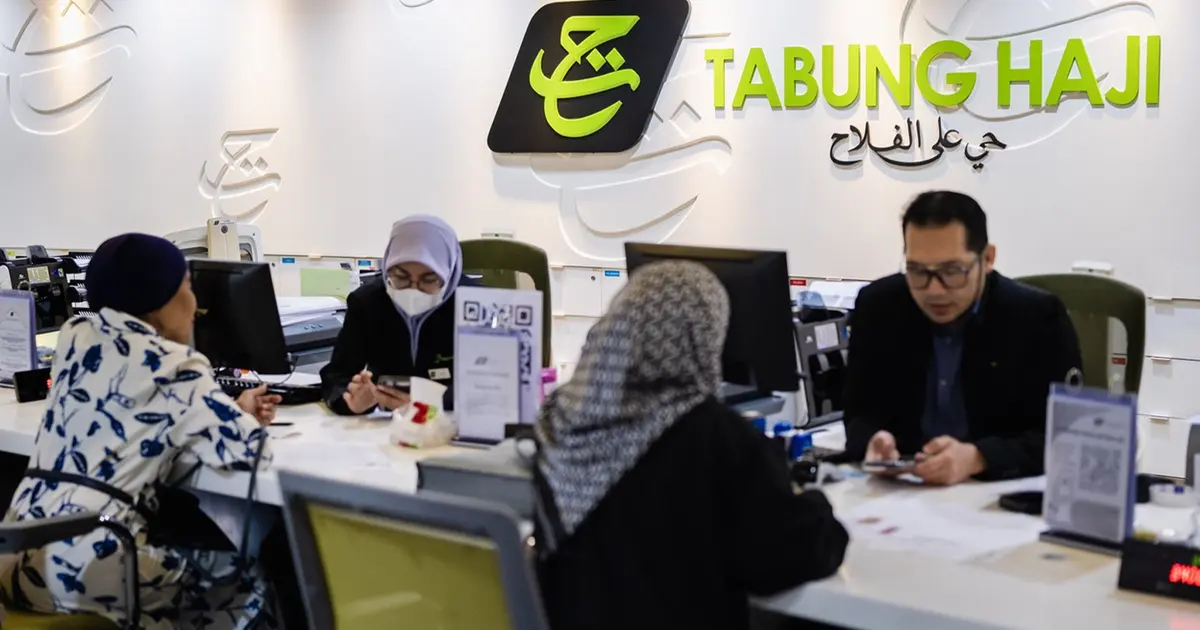
The fallout from the Tabung Haji Royal Commission of Inquiry report has intensified calls for structural reform in Malaysia's governance framework, with civil society organisations arguing that political patronage in executive positions must be curtailed to prevent future institutional collapse. The findings have crystallised long-standing concerns among transparency advocates about the degree to which political interference undermines the operational independence and professional standards of state institutions, particularly those handling public resources on a massive scale.
The anti-corruption group's intervention signals a broader reckoning within Malaysian civil society about accountability mechanisms and the concentration of political power over key organisations. Rather than treating the Tabung Haji crisis as an isolated governance failure, the advocacy community is positioning it as symptomatic of a systemic problem: the appointment of individuals to senior management roles based primarily on political loyalty rather than professional competence or relevant expertise. This pattern, they argue, weakens institutional resilience and creates conditions where poor decision-making can fester without adequate scrutiny or correction.
Tabung Haji's difficulties—which precipitated the need for a royal commission investigation—represent a watershed moment for corporate governance discourse in Malaysia. The pilgrimage fund manages billions of ringgit belonging to Muslim Malaysians saving for their hajj, making its financial stability a matter of national importance and public trust. When the RCI uncovered evidence that political considerations influenced major strategic decisions, it provided concrete documentation of how governance failures transcend simple incompetence and reflect deeper structural vulnerabilities created by politicised management structures.
The demand for appointment restrictions addresses a regulatory gap in Malaysian institutional design. Unlike many developed democracies that employ merit-based civil service commissions or independent boards to oversee senior recruitment, Malaysia has historically relied on ministerial discretion to fill senior posts in government-linked companies and statutory bodies. This approach provides flexibility but creates persistent temptation to reward political supporters, particularly when there are no robust independent mechanisms to question or override such decisions.
Malaysia's experience with Tabung Haji illustrates how political appointments can degrade institutional performance across multiple dimensions simultaneously. When leadership positions prioritise political loyalty over professional qualifications, organisations risk accumulating decision-makers without the technical knowledge to navigate complex financial challenges. Additionally, politically-appointed leaders often lack the independent standing to resist political pressure for decisions that serve short-term political interests at the expense of organisational health and public benefit.
The RCI's findings have particular resonance for Southeast Asian governance observers monitoring how regional democracies balance political accountability with institutional independence. Malaysia's case demonstrates that neither purely technocratic governance nor unfettered political control produces optimal outcomes; instead, the challenge lies in designing appointment frameworks that allow democratically-elected governments meaningful influence while maintaining sufficient insulation to protect institutional integrity and professional standards.
Implementing restrictions on political appointments would represent a significant departure from established Malaysian practice and would face considerable resistance from political actors accustomed to using state institutions as patronage networks. However, the Tabung Haji report has shifted the terms of debate by providing empirical evidence that political interference correlates with measurable institutional damage—financial losses that ultimately affect ordinary Malaysians who entrusted their savings to the fund.
The advocacy group's proposal taps into growing public frustration with governance failures that impose real economic costs on citizens. Tabung Haji's crisis required government intervention and restructuring, diverting resources that might otherwise address other policy priorities. When political appointments demonstrably contribute to such crises, the case for reform becomes not merely ideological but pragmatic and financial.
Moving forward, Malaysia faces a choice about whether to implement systemic reforms addressing the underlying appointment mechanisms that enabled the Tabung Haji problems, or to treat the scandal as a one-off institutional failure requiring corrective action within existing frameworks. The anti-corruption group's intervention suggests that significant segments of civil society view the former as essential. Any meaningful reform would likely need to navigate considerable political complexity, as it would reduce discretionary power that politicians across the spectrum have grown comfortable wielding.
The implications extend beyond Tabung Haji to other government-linked companies and statutory bodies that similarly combine political governance with operational independence requirements. How Malaysia responds to these reform demands will signal whether the country is prepared to undertake structural governance improvements or will rely on selective accountability measures that address symptoms without transforming underlying institutional vulnerabilities that enabled the crisis.

