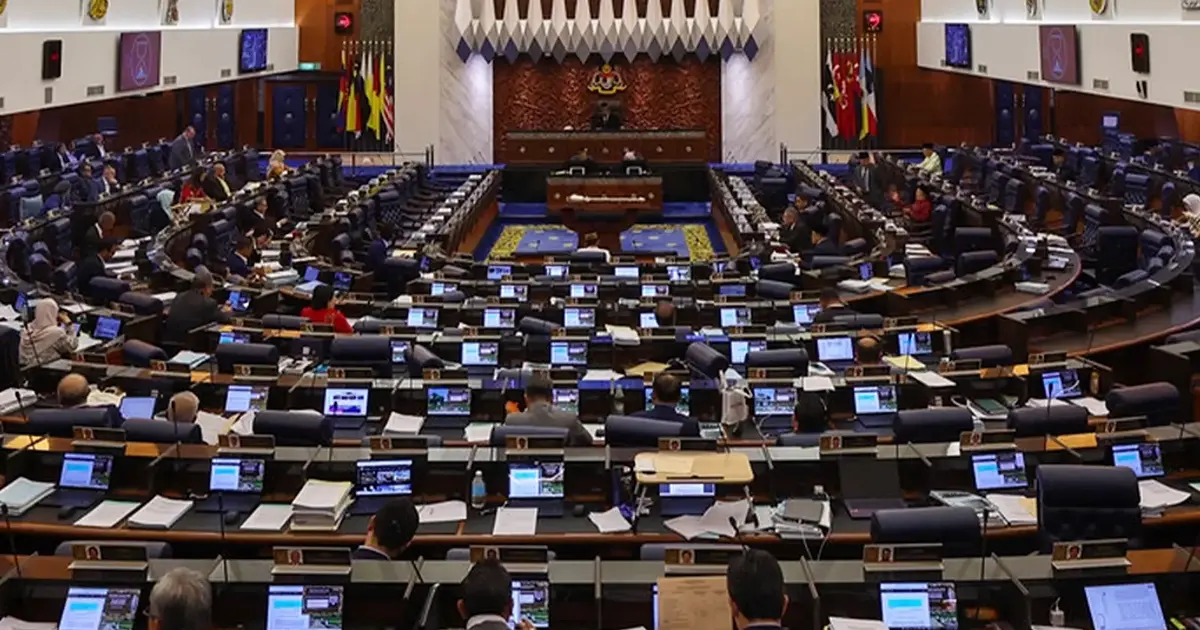
A coalition of Malaysian civil society organisations has made a significant call for political stability, urging the prime minister to permit Parliament to serve out its full tenure while simultaneously launching a comprehensive cross-party reform initiative. The appeal reflects growing concerns within the advocacy community about the frequency of electoral cycles and the need for genuine consensus on systemic improvements that transcend partisan divides. These groups contend that Malaysia's political landscape requires a more structured approach to institutional reform, one that commands broader legitimacy and buy-in from multiple stakeholder groups.
The NGO delegation has specifically advocated for convening a high-level summit that would bring together senior government ministers, opposition party leaders, and key stakeholders to map out a binding agreement on substantive reforms. This proposed gathering would serve as a platform to identify areas of common ground and establish concrete timelines for implementation of agreed measures. The timing of such a summit would be strategically important, allowing sufficient window for deliberation, negotiation, and eventual execution before the sixteenth general election cycle commences. By fixing these parameters well in advance, civil society argues that political leaders would be relieved of the pressure to announce ad-hoc policies during campaigning.
The emphasis on completing Parliament's term speaks to a deeper anxiety within advocacy circles about Malaysia's recent pattern of shortened government tenures and early elections. Multiple parliamentary cycles over the past decade have disrupted continuity of policy implementation and diverted administrative focus toward electoral preparation rather than governance delivery. This instability has allegedly impeded long-term planning in critical sectors including education, infrastructure, and social welfare. NGOs worry that another premature dissolution would perpetuate this cycle, consuming public resources and political energy that could otherwise be channelled toward substantive improvement of state institutions.
The proposed reform pact would ostensibly address structural weaknesses in Malaysia's governance architecture. Areas under consideration likely include parliamentary procedure strengthening, anti-corruption mechanisms, electoral system refinement, and enhanced transparency standards in government spending and decision-making. By securing opposition agreement to key institutional changes before an election, the framework would theoretically insulate these reforms from becoming campaign fodder or subject to reversal when government composition shifts. This approach mirrors practices in other mature democracies where significant constitutional or institutional changes require supermajority consensus.
Civil society representatives argue that such a pact would enhance Malaysia's democratic credentials internationally while simultaneously improving domestic governance quality. Foreign investors and international observers increasingly view political volatility and institutional uncertainty as risk factors affecting business confidence and Malaysia's competitive standing in the region. A demonstrated commitment to planned, bipartisan reform could signal that Malaysia is serious about addressing governance deficits and creating a more predictable political environment for both domestic and international stakeholders.
The NGO initiative also implicitly critiques the phenomenon of political opportunism that characterises Malaysia's current electoral landscape. When government coalitions possess narrow parliamentary majorities, there exists perennial temptation to call early elections hoping to expand that majority, often at great cost to the nation's treasury and social fabric. A pre-election agreement locking in reform priorities would raise the political cost of premature dissolution, as any leader breaching such a pact would face accusations of bad faith and obstruction of agreed-upon improvements. This accountability mechanism could theoretically encourage longer-term governance thinking.
However, implementing such a framework presents substantial practical challenges. Opposition parties in Malaysia have historically struggled to coordinate among themselves, let alone with ruling coalitions, on substantive policy matters. Trust deficits run deep, particularly when reforms involve shifting power balances or institutional structures that could advantage one coalition over another. The prime minister would need to demonstrate genuine commitment to accepting opposition input rather than treating a summit as a ceremonial exercise. Without authentic power-sharing in the reform design process, opposition participation would likely remain superficial.
Geographic and resource considerations underscore the importance of this initiative for Malaysia's federal structure. Reforms to parliamentary procedure or electoral systems carry implications for state-level politics and federalism arrangements. Opposition-governed states such as Selangor, Penang, and Kelantan would need assurance that reforms benefit regional autonomy rather than centralising power further in Kuala Lumpur. This dynamic adds complexity to cross-party negotiations but also presents opportunity for truly inclusive constitutional dialogue.
The NGO position also reflects international best practice regarding democratic renewal. Many Commonwealth nations and regional peers have established multi-party commissions or constitutional review bodies that operate outside normal electoral cycles, crafting recommendations that transcend immediate partisan advantage. Malaysia could benefit from establishing a similar institutional mechanism, perhaps anchored within Parliament itself, where cross-party committees work collaboratively on governance improvement. Such an arrangement would allow for regular progress reporting and citizen feedback throughout the reform process.
Looking toward the timing and politics of GE16, civil society organisations perceive a narrow window for initiating such discussions. If the current parliamentary term continues without interruption, Malaysia would have three to four years to develop, negotiate, and partially implement agreed reforms. This timeframe is realistic for substantive institutional change, though ambitious for reaching genuine consensus across Malaysia's fractious political landscape. The NGO appeal essentially asks political leaders to prioritise the nation's long-term institutional health over short-term electoral calculations, a request that will test the maturity and forward-thinking capacity of Malaysia's political elite.

