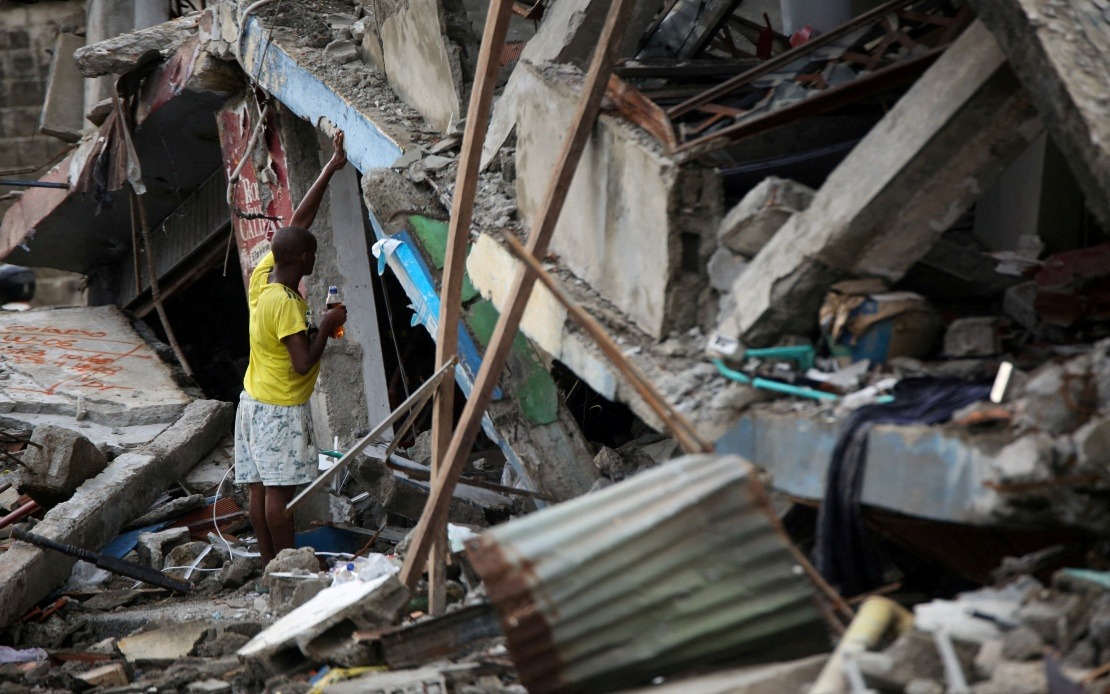
Colombia's emergency response infrastructure faces an extraordinary test as the country grapples simultaneously with massive wildfires sweeping across the nation and the ongoing recovery from a powerful 7.4 magnitude earthquake that struck on August 10. The collision of these two calamities has created what officials describe as an unprecedented crisis, with rescue and response agencies stretched to breaking point as they attempt to manage multiple catastrophic events across different regions.
The wildfire situation has escalated with alarming speed, prompting the Institute of Hydrology, Meteorology and Environmental Studies (IDEAM) to place 344 municipalities under red alert status. This represents a staggering 93 per cent increase in high-threat areas within a single day, reflecting the explosive spread of fires driven by exceptionally severe heat waves and widespread drought conditions gripping the country. The scale of the alert designation underscores the rapidity with which environmental conditions have deteriorated, trapping vast regions in heightened peril.
The geographic distribution of active fires reveals a troubling concentration across Colombia's interior. The National Unit for Disaster Risk Management identified dozens of ongoing conflagrations primarily affecting the departments of Tolima, Cesar, Norte de Santander, Antioquia, Narino and Santander. This dispersed pattern has necessitated the mobilisation of response assets across multiple fronts, preventing authorities from concentrating resources in any single location and forcing difficult triage decisions about resource allocation.
The material destruction from fires already exceeds catastrophic proportions. Official reports document the loss of more than 11,000 hectares of vegetation, farmland and residential structures across multiple municipalities. This figure encompasses both destroyed natural ecosystems and agricultural lands that form the economic backbone of rural Colombian communities, suggesting that recovery timelines will extend far beyond immediate fire suppression into months of agricultural and environmental rehabilitation.
The August 10 earthquake fundamentally shaped the context in which authorities now confront the wildfire emergency. That 7.4 magnitude tremor claimed 288 lives, injured 4,018 people, destroyed 12,504 homes and damaged more than 80,000 additional structures. The disaster dispersed emergency response personnel across quake-affected regions, leaving rescue operations in progress when the wildfire surge began. This temporal collision has created an impossible operational scenario where stretched personnel must simultaneously maintain earthquake response efforts while pivoting to suppress rapidly advancing fires.
Weather forecasting presents deeply troubling prospects for the months ahead. IDEAM projections indicate a 90 per cent probability that the El Niño phenomenon will persist through the first quarter of 2027, with meteorologists expecting the most intense heat anomalies to peak toward the end of this calendar year. Such a forecast suggests that current wildfire conditions represent merely the beginning of a prolonged environmental emergency, with autumn and winter months likely bringing continued or worsening fire activity before any relief arrives.
Firefighter availability has become a critical constraint on response effectiveness. Authorities have mobilised firefighting crews from various departments, including personnel from Risaralda, which itself sustained earthquake damage. Despite these deployments, officials have candidly acknowledged severe staff shortages that prevent adequate coverage across all threatened regions. The human cost of this shortage manifests in longer response times, reduced containment effectiveness, and crews working extended shifts under extreme physical and psychological stress.
Beyond earthquakes and wildfires, Colombia faces additional natural hazard complications that fragment emergency management attention. The Purace volcano in the southern department of Cauca has exhibited heightened activity, obligating disaster risk management agencies to simultaneously monitor and prepare contingency plans for potential volcanic hazards. This third major threat multiplies coordination challenges and divides the already inadequate pool of trained emergency personnel across three distinct disaster scenarios.
The implications for disaster management in Southeast Asia merit careful consideration. Colombia's experience demonstrates how climate change intensifies the frequency and severity of cascading natural disasters within single regions. Malaysia's own exposure to earthquakes, flooding and volcanic activity along the Pacific Ring of Fire and within the Sunda Arc suggests comparable vulnerability to simultaneous or sequential environmental calamities. The Colombian crisis illustrates that national emergency frameworks designed for single-event responses may prove fundamentally inadequate when multiple major disasters overlap temporally.
Regional observers should note that even developed Latin American nations with established emergency infrastructure struggle profoundly when natural disasters compound. Colombia possesses institutional capacity, international relationships and technological resources that many Southeast Asian nations lack. The visible strain on Colombian emergency services under doubled stress implies that comparable events in less resourced contexts could produce dramatically worse humanitarian outcomes and longer recovery periods. This underscores the urgency of strengthening regional disaster response networks and pre-positioning emergency resources before crises materialise.
The international dimension of this crisis extends beyond Colombia's borders. Wildfire smoke traverses regional boundaries, while earthquake impacts influence regional trade and economic relationships. Southeast Asian nations dependent on Colombian agricultural exports and maintaining political ties should anticipate potential supply chain disruptions and evolving humanitarian assistance requirements. The crisis also provides sobering lessons about preparedness investments that emergency management officials across the region should consider when developing long-term resilience strategies.

