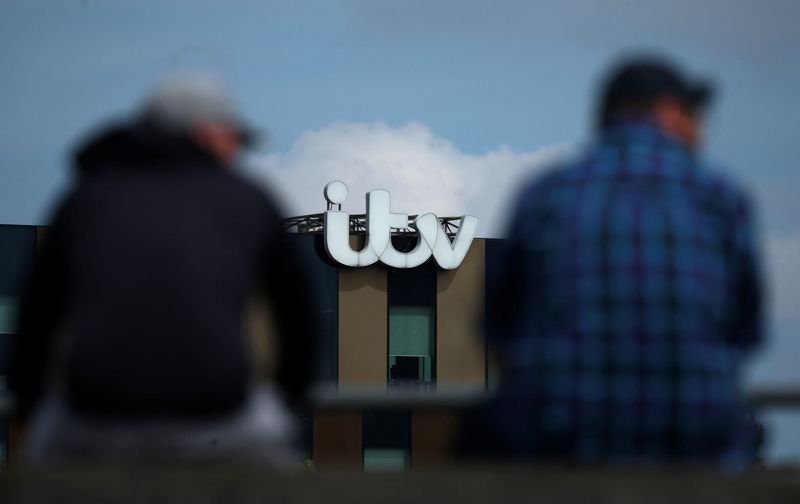
Comcast's Sky has agreed to acquire the broadcast channels and streaming operations of Britain's ITV for £1.6 billion in a transaction that marks a watershed moment for the British media industry. Sky CEO Dana Strong characterised the deal, confirmed on Monday, as historic in the annals of British broadcasting, though it is expected to trigger intensive examination by regulators and lawmakers before it can proceed. The transaction brings together the nation's largest free-to-air commercial broadcaster with the dominant pay-television operator, a combination that would have been considered impossible just years earlier but which the companies argue is necessary to survive in a digital age dominated by global streaming platforms.
The rise of streaming services including Netflix and Amazon Prime Video, combined with the migration of younger viewers to YouTube and social platforms, has fundamentally altered the competitive landscape for traditional broadcasters. ITV in particular has endured a prolonged period of weakness, with its share price declining 36 per cent over the past five years as it struggled against a challenging advertising market. For Sky, the transaction represents an opportunity to leverage ITV's production capabilities and content portfolio while consolidating its market position in the face of relentless competition from technology giants that have effectively redefined what viewers expect from entertainment.
The combined entity would command an extraordinary position within the British television advertising market, controlling more than 70 per cent of industry revenues according to analyst assessments. This commanding share includes not only ITV and Sky's direct advertising operations but also third-party contracts such as those for Paramount-owned Channel 5. The scale of this concentration is precisely why regulatory scrutiny will be intense, with the prospect that Sky may be forced to divest certain advertising contracts to address competition concerns before approval can be granted. Regulatory bodies will need to weigh the claimed efficiencies and global competitiveness advantages against the risks posed to a market previously characterised by greater competitive fragmentation.
Culture Minister Lisa Nandy has signalled that the government is prepared to take an active role in media transactions, recently indicating she would intervene in the separate tie-up between Paramount and Warner. This suggests the political environment has shifted considerably. Earlier this year the government instructed regulators to prioritise conditions enabling growth and investment, a directive that could influence how authorities approach high-profile merger proposals. The outcome of the Sky-ITV transaction will therefore carry significance well beyond the parties involved, potentially setting precedent for how media consolidation is assessed in Britain going forward.
The combined company would reach more than 20 million households across Britain, providing an unparalleled distribution platform for content. Yet even this consolidated scale exists against a backdrop of secular decline in traditional television consumption, with audiences aged 16 to 24 particularly inclined toward streaming and social media over conventional broadcast viewing. The companies contend that merger is essential simply to maintain competitiveness with Netflix, Amazon and Disney, which operate without geographic constraints and possess vastly greater financial resources. Without integration, they argue, British broadcasters risk becoming marginalised producers rather than meaningful global players.
Under the transaction structure, ITV will be reconfigured as a standalone production entity rather than a broadcaster, continuing to create content including the long-running drama Coronation Street and the dating competition Love Island for the combined ITV-Sky operation as well as for third-party platforms including Disney and Apple TV. This arrangement preserves the production business that represents genuine creative value whilst consolidating broadcast operations. ITV shareholders will receive £1.2 billion in immediate cash consideration, with an additional contingent payment of up to £200 million dependent on advertising performance in 2027. The deal also reunites Love Productions, the independent maker of The Great British Bake Off, with the remaining ITV Studios production division.
The combined entity has committed to minimum spending of £2.1 billion on programming during the 2028 to 2032 period, a pledge designed to demonstrate commitment to content investment during a period when competitive pressure could otherwise incentivise cost-cutting. Upon announcement, ITV shares rose 0.5 per cent to 82 pence, a modest response reflecting both the considerable regulatory uncertainty ahead and investor questions about whether the proposed price adequately values the broadcaster's potential in a consolidating market.
Historically, Sky has been synonymous with the Murdoch family, with Rupert Murdoch's son James serving in prominent roles before Comcast's acquisition of Sky in 2018. That transaction itself required regulatory approval and represented a controversial moment for British media ownership. Now, Comcast is navigating yet another transformative deal whilst simultaneously managing the wider restructuring of its global portfolio, announcing in June its intention to separate media assets including Sky and NBCUniversal from its legacy cable business. This separation reflects mounting pressure from streaming competitors that have forced traditional media and telecommunications companies to reconsider integrated business models.
For Southeast Asian observers, the Sky-ITV transaction offers instructive lessons about how globalisation and technological disruption are reshaping media industries across developed markets. Australia, for instance, has grappled with similar consolidation pressures within its media sector. The deal underscores how content production and distribution, once conceived as distinct functions, are now inseparable strategic imperatives. As streaming platforms continue expanding into Asian markets, regional broadcasters may face comparable pressures to consolidate, requiring regulators across the region to confront the tension between maintaining competitive market structures and enabling local players to compete globally.
The transaction also illustrates the growing political sensitivity surrounding media ownership and control. In Britain, the Cultural Ministry's willingness to intervene reflects recognition that media mergers involve considerations beyond traditional antitrust analysis, including plurality of voices and cultural production. Similar concerns animate media policy debates across Southeast Asia, where governments balance liberalisation objectives against cultural and social considerations. How Britain's regulators ultimately resolve the Sky-ITV proposal may influence regulatory approaches to media consolidation across multiple jurisdictions as the industry continues its accelerating transformation.

