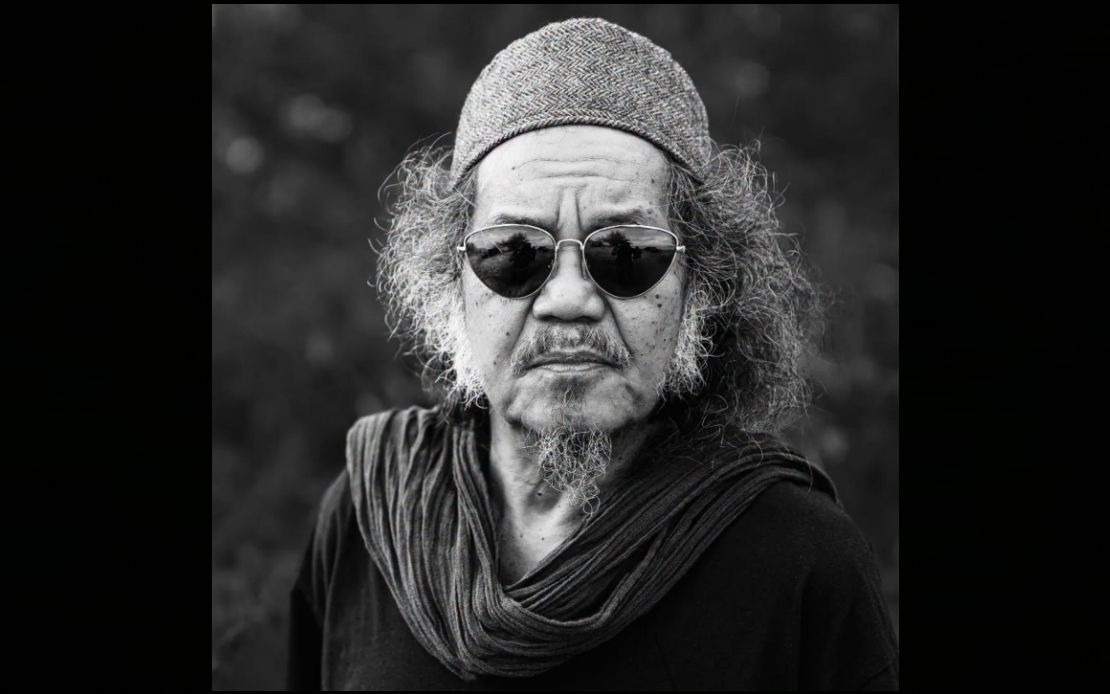
Communications Minister Datuk Seri Fahmi Fadzil has extended his condolences following the death of veteran Malaysian actor Kamarool Yusoff, affectionately remembered as Cik Man, who passed away on the evening of August 5. The minister's tribute through Facebook highlighted the significant cultural impact the late performer had on generations of Malaysian film enthusiasts.
Kamarool's career reached its zenith during the golden era of Malay cinema in the 1980s, a period widely regarded as a pivotal moment in the development of Malaysian film industry. His most celebrated role came in the 1986 classic film where he portrayed Farouk, the authoritative leader of the notorious Gagak Hitam gang. This particular performance remained etched in the collective memory of audiences who came of age during that transformative decade, becoming synonymous with his artistic legacy.
In his public statement, Fahmi recognised the profound respect Kamarool commanded throughout Malaysia's entertainment sector. The minister emphasised that the late actor's standing extended far beyond the confines of the acting profession itself, reaching into broader circles of cultural appreciation and national heritage. This acknowledgment underscores how Malaysian cinema figures often serve as cultural ambassadors who shape national identity and artistic expression.
The significance of Kamarool's work lies partly in the context of Malaysian cinema during the 1980s. This era represented a time when local film production was experimenting with crime dramas and social commentary, reflecting contemporary anxieties while entertaining domestic audiences. The character of Farouk embodied the complex moral ambiguities that such films explored, allowing viewers to engage with sophisticated storytelling that transcended simple entertainment.
Fahmi's tribute specifically acknowledged Kamarool's enrichment of Malaysia's arts landscape and his creation of enduring cultural memories across multiple generations. By framing the actor's contributions in this manner, the minister positioned cinema not merely as commercial entertainment but as a legitimate form of national cultural expression worthy of official recognition and respect. This perspective aligns with growing international acknowledgment of cinema's role in cultural diplomacy and social discourse.
The passing of veteran performers like Kamarool often prompts broader reflection on the preservation of Malaysian film heritage. With the rise of digital platforms and changing viewing habits, older films from the 1980s risk becoming inaccessible to younger audiences. The minister's public acknowledgment serves as a reminder of the importance of archiving and celebrating Malaysia's cinematic past as an integral component of national cultural memory.
Fahmi's invocation of religious blessings for the departed actor reflects the respectful approach Malaysian leadership typically adopts when acknowledging the deaths of cultural figures. The prayer for forgiveness and mercy represents a standard element of Islamic practice in Malaysia while simultaneously affirming the shared values that transcend professional boundaries within Malaysian society.
The timing and prominence of the official tribute also suggest official recognition of entertainment sector contributions to national development. When government officials publicly honour deceased artists, they effectively validate the arts as worthy of state-level recognition, potentially influencing how future cultural investments and policies are formulated. This becomes particularly relevant for Southeast Asian nations seeking to develop robust creative industries.
Kamarool's legacy extends beyond individual performances to encompass his role in establishing conventions for gangster dramas within the Malay film tradition. His interpretation of Farouk likely influenced how subsequent actors approached similar characters, contributing to an evolving vocabulary of film performance within the Malaysian context. The ripple effects of such foundational performances often remain invisible but deeply consequential for industry development.
The loss of actors from cinema's earlier eras inevitably reminds audiences and critics of the finite nature of lived cultural memory. While films preserve performances across time, the personal testimonies, anecdotes, and intimate knowledge that performers carry remain irreplaceable. Kamarool's death represents the loss of direct connection to an important chapter in Malaysian entertainment history.

