A devastating fire that swept through Kampung Nunuyan Laut in the early hours of this morning could have claimed far more homes had it not been for the decisive action of residents who mobilised immediately to protect their community. What began as a manageable emergency at around 3 am became a test of neighbourhood solidarity, with villagers banding together to create firebreaks and limit the flames' advance across the tightly packed stilt settlement. By working in coordination with swift emergency response, the community managed to preserve 162 houses from destruction, though 28 non-permanent structures were ultimately consumed.
The rapid spread of the fire reflected the inherent vulnerability of this waterfront settlement, where wooden stilt houses sit in close proximity to one another and strong early-morning winds accelerated the blaze's progression from property to property. The village headman, Mohd Sutri Mohd Nurdin, made the crucial decision to lend residents water pumps without hesitation, recognising that conventional firefighting approaches would prove insufficient given the settlement's remote island location and the speed at which conditions were deteriorating. His intervention provided the community with the tools necessary to establish what fire experts call a firebreak—a cleared or dampened perimeter designed to starve advancing flames of fuel and halt their lateral movement.
The strategy of saturating nearby structures that had not yet caught fire proved instrumental in containing the disaster. Rather than attempting to extinguish the blaze directly, residents focused their limited resources on protecting the homes in the fire's predicted path, creating a protective buffer that the advancing flames could not breach. This approach, born from practical necessity and local knowledge of how the settlement was configured, demonstrated how communities can adapt firefighting tactics to suit their specific circumstances. The coordinated effort required communication between neighbours, the sharing of equipment, and a willingness to sacrifice time and effort for collective benefit—elements that proved more valuable than any single piece of firefighting apparatus.
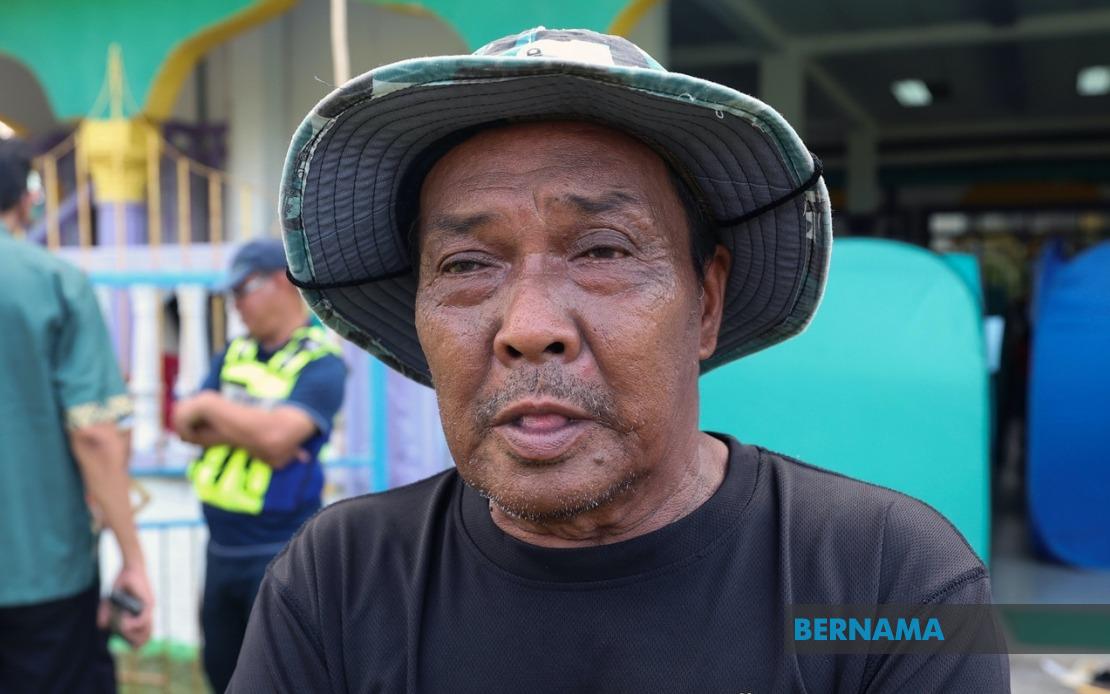
The human stories emerging from the incident underscore both the terror of the moment and the resilience of those affected. Kaslan Etin, 38, awoke to the screams of neighbours and found his home already consumed by flames, managing only to evacuate his two young children and retrieve personal documents before losing everything else. The timing proved particularly cruel for his family, as the fire destroyed all preparations for his sister-in-law's wedding scheduled for December during the school holidays. For Etin and dozens of other residents, the loss extended far beyond material possessions to include irreplaceable memories and carefully laid plans now reduced to ash.
Among those rescued was Kasmah Rashid, 69, who was living alone when the fire broke out. Had a vigilant neighbour not knocked on her door and guided her to safety as flames engulfed nearby structures, her situation could have ended tragically. Her expression of gratitude toward both villagers and responding security forces reflects a broader truth about disaster response: in the critical minutes before professional emergency services arrive, community members themselves become the most essential first responders. The fact that no injuries or fatalities were recorded, despite the ferocity of the blaze and the density of the settlement, owes substantially to residents' collective awareness and willingness to help one another escape.
The displacement created by the fire necessitated rapid activation of municipal and social welfare resources. A total of 109 residents from 29 families were forced to seek temporary shelter at Al Fattah Mosque, which was hastily converted into a relief centre to provide basic accommodation and support. The Social Welfare Department (JKM) mobilised to address immediate humanitarian needs, conducting assessments to identify individuals requiring ongoing assistance beyond the initial emergency phase. The Sandakan Municipal Council opened additional temporary facilities to distribute the displaced population and prevent overcrowding at individual sites. These coordinated responses highlight how disasters activate formal institutional mechanisms designed to support vulnerable populations in their aftermath.
The investigation into the fire's origin remains ongoing, with authorities yet to determine the initial cause of the blaze. Understanding how the fire started carries significance not merely for assigning responsibility but for identifying potential prevention measures that could reduce the likelihood of similar incidents. Stilt settlements, particularly those constructed from wood and with limited access for conventional firefighting equipment, face inherent fire risks that demand both community awareness and structural considerations. The investigation process will likely examine whether electrical faults, cooking accidents, or other preventable factors contributed to ignition, potentially informing building standards and safety protocols for similar communities throughout Sabah.
The incident has prompted reflection on fire safety infrastructure and emergency preparedness in informal settlements across Malaysia's coastal regions. Many waterfront communities share Kampung Nunuyan Laut's characteristics: wooden construction, dense housing patterns, limited vehicular access, and dependence on water-based transport. The effectiveness of the firebreak strategy employed here offers a practical model that other settlements might adopt as part of their disaster preparedness planning. Community fire brigades trained in creating defensive perimeters could provide an additional layer of protection while awaiting professional firefighting response, particularly in areas where conventional fire service resources operate under significant geographical constraints.
Beyond the immediate crisis management, this incident raises questions about long-term recovery and resilience building for affected households. The 28 destroyed homes represent total loss for families who likely operated on limited financial margins, making reconstruction without substantial external support extremely challenging. The December wedding that Kaslan Etin's family had anticipated now requires rescheduling amid the broader trauma of displacement and material loss. Local authorities and community organisations will need to coordinate support mechanisms extending well beyond the initial emergency phase, including assistance with rebuilding, livelihood restoration, and psychological support for those traumatised by the experience.
The response from Sandakan's municipal and state authorities demonstrates the importance of pre-established disaster management protocols that can be rapidly activated when emergencies occur. The existence of temporary relief centres and the immediate engagement of the Social Welfare Department indicate that formal systems for emergency response, while often invisible during normal times, become essential when communities face crises. However, the success of this response also reveals how dependent formal systems remain on community action in the critical early stages. Professional emergency services, however well-equipped, cannot replace the immediate neighbourly assistance that saves lives and limits damage in the first minutes after disaster strikes.

