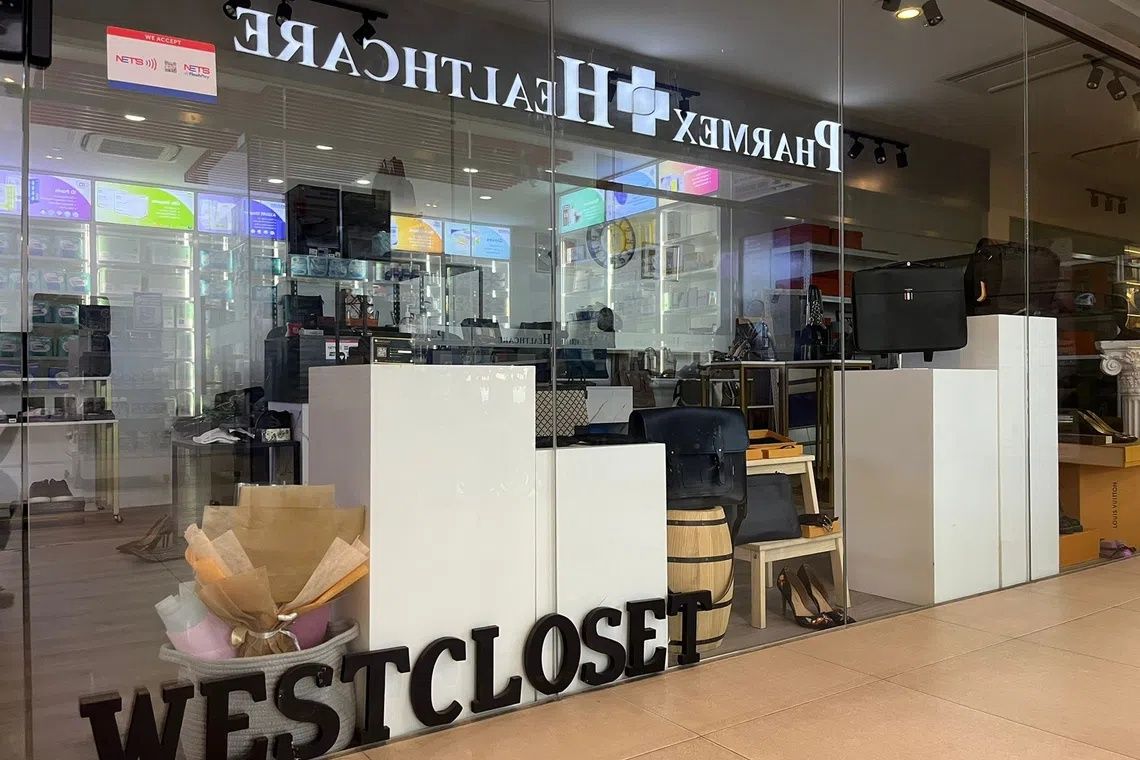
An Indonesian consignment store operator has been handed an eight-month jail sentence after misappropriating nearly S$140,000 from five customers in Singapore, marking a cautionary case for online luxury resale businesses operating across Southeast Asia. Ringga Dwi Rizky Irianto, 36, owned West Closet, which operated from the OUE Downtown Gallery shopping mall on Shenton Way and specialised in selling high-end designer handbags on behalf of their owners. The court proceedings, concluded on Thursday, August 13, underscore growing vulnerabilities in the burgeoning second-hand luxury goods market as consumers increasingly turn to platforms and storefronts for authenticated resales of expensive items.
Ringga's West Closet operated through a straightforward consignment model that initially appeared legitimate to customers seeking to liquidate their designer collections. The store advertised its services extensively across Carousell and Instagram, platforms widely used throughout Southeast Asia for peer-to-peer commerce. Customers would deposit their bags at the physical location for a designated 60-day selling window, with failure to retrieve items within this timeframe triggering a S$60 penalty charge. Once merchandise sold, West Closet would extract a commission ranging from S$200 to S$900 depending on the sale value, after which proceeds would purportedly be transferred to the original owner's bank account within seven days. This model mirrors legitimate consignment operations found across major Southeast Asian shopping centres, making it difficult for inexperienced sellers to distinguish between trustworthy and fraudulent operators.
The criminal scheme unfolded systematically, with Ringga employing remarkably consistent tactics across multiple victims. In July 2022, one customer deposited three premium bags—two Hermès and one Chanel—with a guaranteed return of S$51,000 if sold. Ringga successfully sold all three items and generated the promised amount but rather than crediting the victim's account as contractually obligated, she redirected the funds toward fulfilling another customer's order. This pattern of repurposing one client's proceeds to satisfy another represents a classic Ponzi-style misappropriation, suggesting the business model may have depended on continuous customer deposits rather than legitimate commercial revenue. Similar deceptions followed with a second victim receiving no restitution for a sold Hermès bag valued at S$33,500, whilst a third victim lost S$23,500 under identical circumstances.
The breadth of Ringga's misconduct extended beyond the three principal charges she pleaded guilty to. Deputy Public Prosecutor Darren Sim indicated that two additional charges involving the remaining two victims were factored into sentencing deliberations, though these were not prosecuted separately. Combined, the five cases involved approximately S$140,000 in missing funds, reflecting the scale of deception perpetrated against a relatively small group of individuals. The case demonstrates how fraudulent operators can accumulate substantial sums through incremental theft from multiple parties over short timeframes, particularly when victims trust that selling through physical storefronts offers greater security than anonymous online platforms.
Remarkably, Ringga has already voluntarily repaid S$41,000 of the misappropriated amount, though this partial restitution fails to remedy the fundamental breach of trust or compensate all injured parties equitably. The court imposed an additional obligation requiring her to pay S$91,950 in compensation through an investigation officer coordinating her case, with the provision that she will serve an extra 24 days of imprisonment for every day she fails to meet this financial obligation. This enforcement mechanism creates severe pressure on Ringga to mobilise resources quickly, as protracted default could extend her actual incarceration well beyond the eight-month sentence. Her bail was set at S$15,000 on the sentencing date, with her jail term scheduled to commence in October.
Criminal breach of trust statutes in Singapore, under which Ringga was prosecuted, permit sentencing of up to seven years imprisonment, substantial fines, or both, depending on conviction severity and circumstances. Her eight-month sentence represents a moderate outcome within this framework, likely reflecting her guilty plea and partial restitution as mitigating factors. However, the relatively light penalty compared to maximum possible sentences may raise concerns among consumer protection advocates in Malaysia and across the region, particularly given the calculated nature of her deception and its targeting of vulnerable individuals seeking to monetise personal assets.
The timeline of Ringga's apprehension illuminates enforcement gaps that may exist in cross-border retail operations. She was arrested in September 2022 but was not formally charged until 2024, nearly two years later—a significant delay that permitted the misappropriated funds to potentially disappear from recovery. This extended investigative period underscores challenges authorities face in pursuing financial crimes involving foreign nationals operating temporary retail franchises or independent businesses in prime commercial districts. For Southeast Asian consumers, particularly those in Malaysia and Singapore, the case serves as a stark reminder that physical storefronts and Instagram presence provide only limited assurance of legitimacy.
The prevalence of luxury consignment fraud reflects broader structural weaknesses in the informal second-hand goods sector throughout the region. Luxury resale has transformed from niche activity into mainstream commerce, with platforms like Carousell facilitating millions of transactions monthly across Malaysia, Singapore, and beyond. Yet regulatory frameworks governing consignment operations remain underdeveloped, with many jurisdictions lacking mandatory licensing, escrow account requirements, or periodic financial audits for small-scale operators. Customers conducting transactions often have minimal recourse beyond civil litigation, which proves prohibitively expensive for modest-value claims and impractical when operators relocate internationally or declare insolvency.
For Malaysian readers familiar with Klang Valley shopping malls and Kuala Lumpur's designer resale ecosystem, the West Closet case offers instructive lessons applicable to local consignment businesses. Several precautions can mitigate fraud risk: insist on written receipts specifying exact item descriptions, guaranteed selling prices, and specific payout timelines; request that shops hold funds in segregated customer trust accounts rather than operational accounts; demand photographic proof that items have sold before accepting payment delays; and conduct background checks on store operators before entrusting valuable merchandise. Established consignment businesses in Malaysia, such as those located in mid-range shopping centres, increasingly employ these protective measures to differentiate themselves from fraudulent competitors and build customer confidence.
The case also highlights the intersection between e-commerce and physical retail that characterises modern consumer behaviour in Southeast Asia. Ringga's promotion of West Closet through Instagram and Carousell demonstrates how digital marketing attracts customers to brick-and-mortar locations, creating hybrid business models that can obscure accountability. Platforms facilitating these transactions bear some responsibility for vetting vendors, though many argue enforcing comprehensive merchant verification remains impractical at scale. Malaysian authorities and consumer protection agencies may increasingly scrutinise consignment operations, particularly those handling high-value items, to prevent similar incidents.
Ringga's sentencing arrives amid broader regional discussions about protecting consumers in second-hand luxury markets. As designer goods become increasingly expensive and sustainability concerns drive demand for preloved alternatives, the financial stakes in consignment transactions have escalated proportionally. The case will likely prompt reconsideration of how consignment businesses should be regulated, particularly regarding capital requirements, bonding arrangements, and mandatory financial reporting. For Malaysian entrepreneurs considering entry into luxury resale services, Ringga's conviction serves as a cautionary tale about the legal and reputational consequences of misappropriating customer funds, regardless of how small individual acts of fraud may initially seem.

