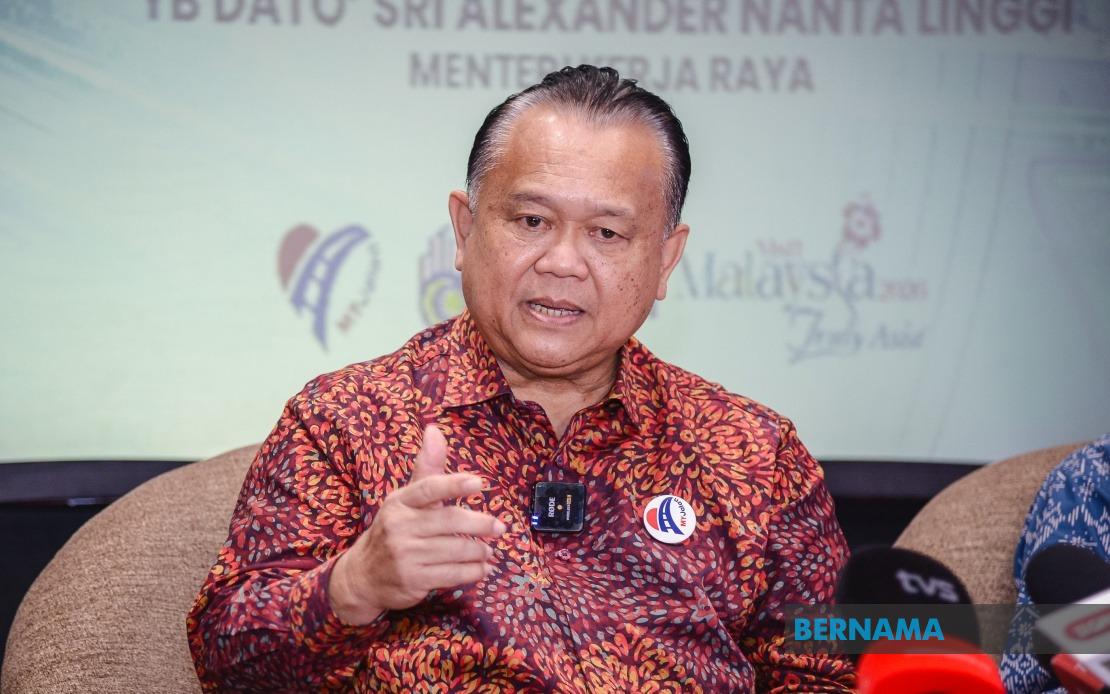
The Works Ministry is undertaking a comprehensive consultation with the construction sector to shape Budget 2027, having already collected 30 strategic wishlists from industry players seeking to bolster productivity, accelerate technology adoption and strengthen competitive positioning. Minister Datuk Seri Alexander Nanta Linggi announced the initiative following a Budget 2027 Industry Dialogue in Putrajaya, signalling the government's intent to align construction proposals with the overarching MADANI Economy framework, which emphasises delivering high-impact growth whilst safeguarding the health of the sector.
The ministry has crystallised its infrastructure vision around five core transformation pillars that extend beyond traditional spending priorities. These encompass road network strengthening and execution of high-impact development projects; sustainable infrastructure aligned with Malaysia's energy transition agenda; adoption of digital tools and advanced technologies including Building Information Modelling, Internet of Things systems and artificial intelligence; targeted support for small and mid-sized contractors graded G1 to G4; and enhanced road safety initiatives through the MYJalan programme. Rather than treating these as isolated initiatives, Nanta characterised them as interconnected elements of a unified strategic approach to how the nation plans, constructs, manages and maintains its infrastructure over the coming years.
A fundamental shift in government thinking underpins this approach. Rather than measuring success through the volume of public funds deployed, the ministry intends to evaluate outcomes through the tangible impact generated by each ringgit of expenditure. This reorientation demands that the construction industry substantially elevate its operational capabilities, moving beyond cost-based competition towards competition rooted in productivity enhancements, technological sophistication, quality standards and genuine value creation. By embracing Building Information Modelling, artificial intelligence, green construction methods and Industrialised Building System technologies, Malaysian companies can position themselves to climb the value chain and compete more effectively in international markets where innovation and efficiency drive market differentiation.
The breadth of industry feedback underscores diverse challenges facing the sector. Beyond the 30 formal wishlists, the ministry has received 117 proposals addressing construction issues and Budget 2027 priorities, with 87 originating directly from industry stakeholders. Recurring themes in this feedback highlight governance deficiencies and inconsistent contract management practices, workforce development gaps creating skills shortages, and escalating operational expenses tied to material procurement and logistics networks. Industry representatives have additionally advocated for accelerated adoption of sustainability frameworks and environmental, social and governance standards, alongside policies favouring greater utilisation of domestically sourced materials to support local supply chains.
The challenges extend beyond large established firms to encompass the broader ecosystem of small contractors, consulting practices, labourers and associated service providers. These stakeholders confront distinct obstacles including cash flow constraints that impede operations, limited access to cutting-edge technologies, cumbersome approval bureaucracies, and inconsistent utilities infrastructure and road maintenance standards. Nanta acknowledged that industry participants occupy unequal starting positions, emphasising that constructing robust foundational support mechanisms will enable more participants to advance to higher operational tiers. Focused investment in areas such as improved cash management support, workforce training programmes, technology accessibility and streamlined administrative processes can meaningfully expand opportunity distribution across the sector hierarchy.
Budget allocation patterns reveal the government's commitment to construction investment despite fiscal constraints. Under Budget 2026, the Works Ministry received RM10.692 billion, representing a 3.3 percent year-on-year increase. Of this allocation, RM9.607 billion was directed toward development expenditure covering both new project launches and continuation of ongoing infrastructure initiatives. These figures demonstrate sustained investment despite the broader economic environment, though they also highlight the necessity for maximising efficiency and impact from every committed dollar.
Nanta's framing of budgetary discipline as a catalyst for creativity rather than an impediment reflects pragmatic governance perspectives increasingly common across Southeast Asia. Rather than allowing finite resources to constrain ambitions, the minister argued that budget constraints should drive both government and industry partners to prioritise more strategically and innovate in project delivery mechanisms. This philosophy resonates particularly in Malaysia's context where infrastructure demands remain substantial whilst fiscal flexibility remains constrained by competing national priorities including healthcare, education and social welfare spending.
The timing of this consultation process positions industry input centrally in Budget 2027 formulation. With the budget scheduled for tabling in the Dewan Rakyat on October 9, the current consultation window provides meaningful opportunity for sector voices to influence allocations and policy frameworks. This timeline suggests the government views construction sector input not as ceremonial engagement but as substantive input into budgetary architecture, potentially signalling genuine responsiveness to industry needs and constraints.
For Malaysian stakeholders, the emphasis on local contractor empowerment carries particular significance. By deliberately supporting G1 to G4 contractors through targeted budget mechanisms, the government seeks to develop a deeper bench of capable medium-sized firms capable of executing complex projects independently. This contrasts with dependency on large multinational construction firms and creates pathways for wealth generation and employment within Malaysia's domestic economy. Such strategies have proven effective in other Southeast Asian markets where systematic contractor development programmes have accelerated industry maturation.
The digital transformation agenda embedded within these five priorities reflects global construction industry trends. Building Information Modelling and artificial intelligence applications have demonstrably improved project outcomes, reduced cost overruns and accelerated delivery timelines in markets where adoption has advanced. By making technology adoption a budget priority rather than an optional enhancement, the government signals that competitive positioning increasingly depends on digital capabilities. Malaysian firms that lag in this transition risk marginalisation in both domestic competitive processes and international project opportunities.
The sustainability and energy transition dimension connects construction policy to Malaysia's broader net-zero commitments. Infrastructure projects designed and built to modern environmental standards deliver lifecycle cost savings through reduced operational energy consumption and maintenance requirements. By incorporating green technology mandates into budget priorities, the government encourages industry-wide adoption of practices that enhance long-term project value whilst advancing national climate goals. This integration of sustainability into core infrastructure planning represents evolution beyond treating environmental considerations as peripheral add-ons.
Looking forward, the consultation process signals that Budget 2027 construction provisions will likely reflect this comprehensive transformation agenda rather than incremental adjustments to existing spending patterns. The emphasis on impact measurement, local capability development and technology adoption suggests potential policy shifts in procurement criteria, contract structures and project selection methodologies. Industry players who proactively align capabilities with these emerging priorities will likely position themselves favourably for budget allocations and project opportunities in the coming fiscal year.

