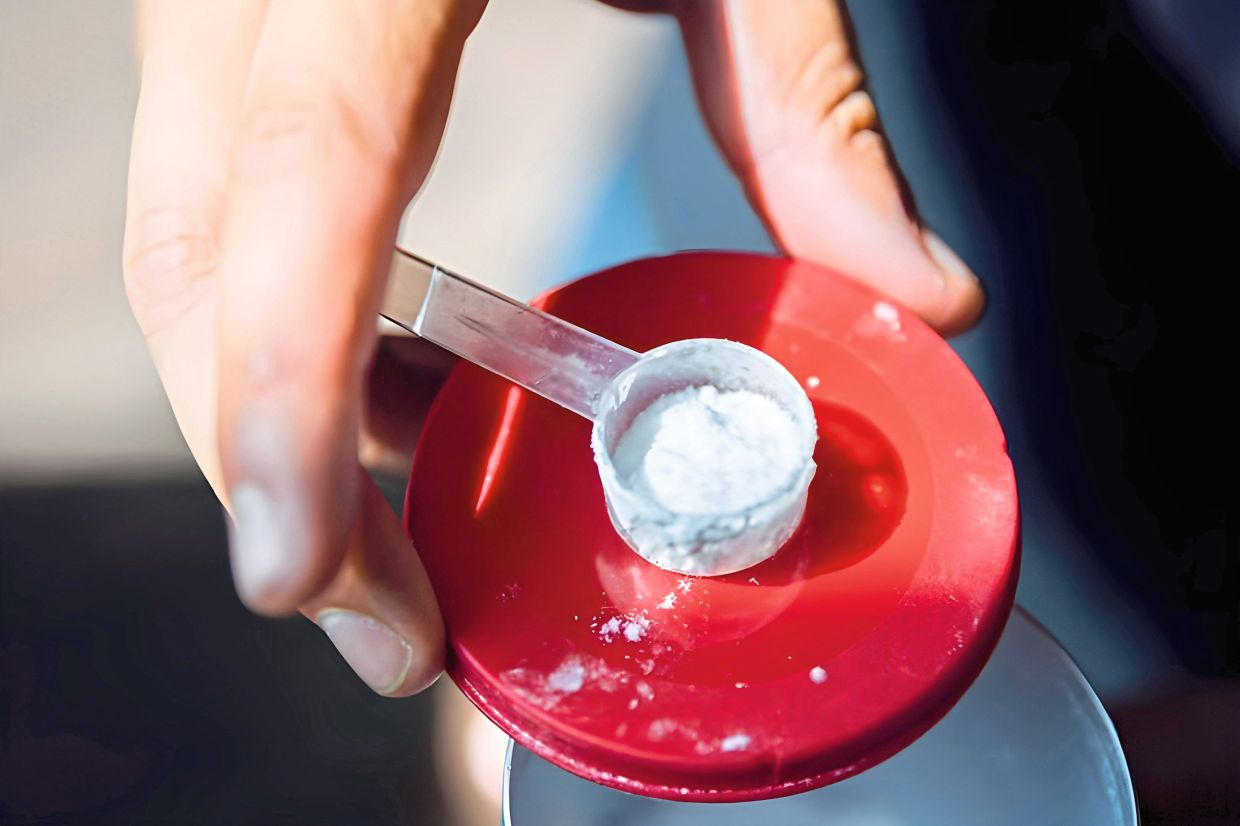
The claim that creatine supplementation leads to hair loss has shadowed the supplement for over 15 years, deterring countless fitness enthusiasts and athletes from using one of the most researched and effective performance aids available. Despite its widespread adoption and decades of use across gyms, sports teams and fitness communities globally, the persistent myth has influenced purchasing decisions and shaped perceptions about safety. A groundbreaking 2025 randomised controlled trial now offers definitive scientific evidence that this concern is entirely unfounded, providing clarity that matters not just for Malaysian athletes but for the broader Southeast Asian fitness community increasingly interested in evidence-based supplementation.
The roots of this worry trace to a single 2009 study that never actually measured hair loss. The researchers observed that creatine supplementation appeared to increase the conversion of testosterone to DHT—dihydrotestosterone—a hormone implicated in male pattern baldness. The authors called for further investigation, noting the supplement's widespread use warranted scrutiny. However, none of the study participants reported experiencing any hair loss despite the biochemical findings. This crucial detail was often lost in popular retellings of the research. Because DHT is scientifically linked to androgenetic alopecia, the media and fitness communities interpreted the 2009 findings as a cautionary flag, and the rumour calcified into accepted wisdom despite lacking direct evidence of actual hair loss.
The new study, published in 2025, represents the first rigorous direct examination of this question. Researchers recruited 45 resistance-trained men aged between 18 and 40, randomly assigning half to consume 5 grammes of creatine monohydrate daily while the other half received 5 grammes of maltodextrin as a placebo. Participants maintained their normal diet and exercise routines throughout the 12-week period, ensuring that any changes could be attributed to supplementation rather than lifestyle modifications. The methodology was carefully designed to isolate creatine's effects under real-world conditions.
The study employed sophisticated measurement techniques to assess both hormonal and follicular responses. Blood samples collected at the beginning and after 12 weeks quantified total testosterone, free testosterone and DHT levels in both groups. Hair follicle health underwent assessment using the Trichogram test and the FotoFinder system, advanced technologies that measure hair density, the count of follicular units and cumulative hair thickness. These objective measures provided far more robust data than self-reported observations or indirect biochemical markers. Thirty-eight of the original 45 participants completed the full study, a completion rate that strengthens confidence in the findings.
The results demonstrated no meaningful differences between the creatine and placebo groups across any measured parameter. DHT levels remained unchanged, the ratio of DHT to testosterone showed no variation, and critically, none of the hair growth measures indicated any negative effects from creatine supplementation. The researchers explicitly stated this was the first investigation to directly assess hair follicle health following creatine use, providing what they characterised as strong evidence negating the hair loss claim. This conclusion carries substantial weight precisely because it answers the question that the 2009 study left unresolved.
Expert consensus now strongly favours creatine's safety profile. Jose Antonio, an exercise physiologist at Nova Southeastern University in Florida, noted that no other food or dietary supplement possesses comparable supportive scientific evidence. This observation underscores creatine's exceptional standing within the supplement landscape—it is not merely safe but among the most thoroughly vetted substances available to athletes and fitness practitioners. For Malaysian readers considering supplementation in a market increasingly flooded with unverified products, this distinction merits serious attention.
Registered dietitian Kate Patton acknowledged the value of professional consultation for those with specific health concerns, particularly regarding testosterone levels. She recommended that anyone worried about testosterone or hormonal impacts consult their primary care doctor or an endocrinologist before supplementing. However, she emphasised that no conclusive evidence supports the idea that creatine increases testosterone levels or causes hair loss. This balanced guidance acknowledges individual medical variation while affirming the overall safety consensus. For Southeast Asian consumers navigating healthcare systems and supplement availability across different countries, this practical approach offers reasonable middle ground.
For those beginning creatine supplementation, practical guidance can optimise outcomes and manage expectations. Nutrition counsellor Carolyn Brown notes that water weight gain is entirely normal in the first week, typically ranging from two to four pounds as creatine draws water into muscle cells. This temporary increase reflects physiological adaptation rather than fat gain, a distinction important for individuals monitoring body composition. Brown also recommends consistency with creatine monohydrate specifically, the form with the most robust research support and the most cost-effective option available to Malaysian consumers.
Creatine functions optimally when combined with resistance training, a crucial point often overlooked by casual users. Paul Greenhaff, a professor of muscle metabolism at the University of Nottingham, emphasises that creatine contains no calories and exerts no direct effect on fat metabolism. Taking the supplement without engaging in exercise produces negligible results—a reality check for anyone expecting passive performance gains. This requirement for concurrent training commitment separates effective supplementation strategies from ineffective ones, requiring users in Southeast Asia to genuinely integrate structured resistance work alongside supplementation.
Dr Jason Mitchell, executive vice president and chief medical officer at Geisinger healthcare organisation, characterised creatine as a rare supplement living up to its reputation. He described it as genuinely safe and extensively studied, placing it among the few supplements that deliver meaningful benefits backed by legitimate science. This assessment arrives after decades of use and thousands of studies examining creatine across diverse populations and contexts. For Malaysian athletes and fitness enthusiasts weighing supplement options in an increasingly saturated market, this institutional credibility carries substantial implications.
The 2025 research effectively closes a 15-year chapter of unfounded speculation. The evidence now irrefutably demonstrates that creatine does not compromise hair health, does not elevate DHT in ways that damage follicles and poses no greater risk to hair retention than placebo. This clarity matters for regional athletes and fitness practitioners who have historically avoided an exceptionally well-researched supplement based on spurious concerns. As Southeast Asian fitness culture continues expanding and supplementation becomes increasingly mainstream, access to rigorous, authoritative science becomes essential for informed decision-making. The myth has finally met its match in definitive evidence.

