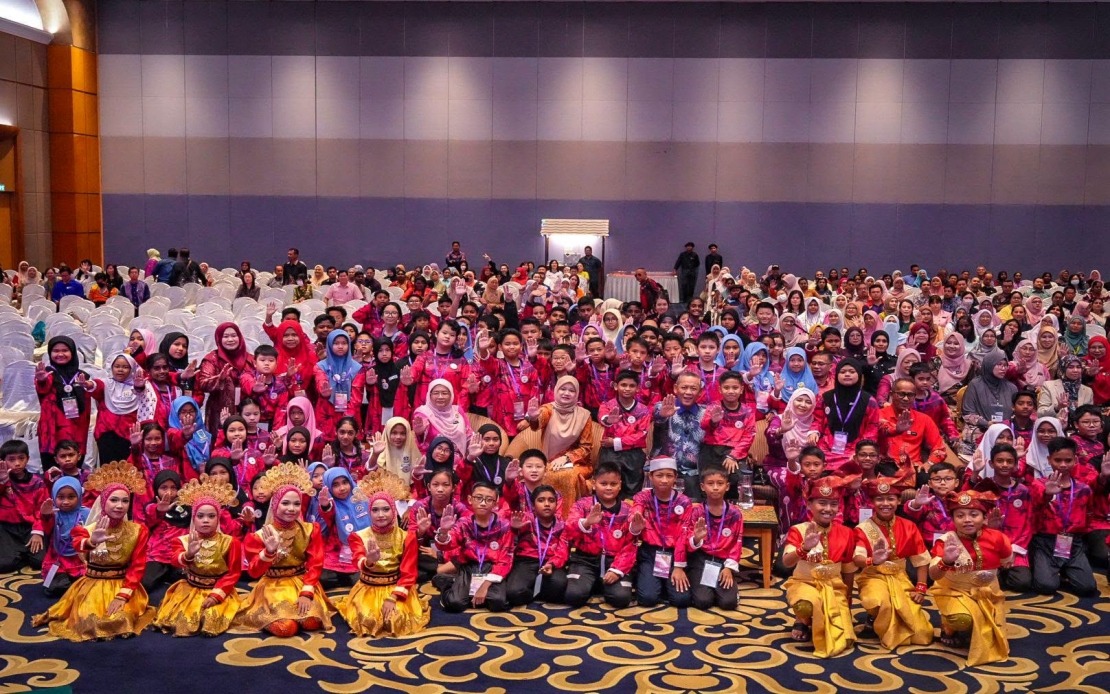
Education Minister Fadhlina Sidek has underscored the necessity for a coordinated, strategic response to the mounting challenges surrounding school safety in Malaysia, calling on all parties—from parents to educators and government agencies—to work in concert to establish protective learning environments. Speaking on the issue, the minister highlighted that building and maintaining public confidence in the capacity of schools to safeguard every student represents a critical immediate objective for the education sector, with no room for compromise when matters affecting children's physical or psychological wellbeing are at stake.
The complexity of modern school safety issues extends far beyond traditional security measures, encompassing both visible and invisible threats to student welfare. Fadhlina's intervention reflects growing recognition within the Ministry of Education that singular approaches or piecemeal interventions are insufficient to address the multifaceted nature of contemporary challenges facing Malaysian schools. The minister's emphasis on creating a holistic "safe school ecosystem" signals a shift toward systems-thinking, where safety protocols, protective policies, and supportive structures operate in tandem to create environments where young people can develop free from fear or harm.
Central to the ministry's framework are safety guidelines and child protection policies designed to serve as binding standards across all educational institutions operating under its jurisdiction. These frameworks establish baseline expectations for how schools should identify, prevent, and respond to threats or incidents that endanger students. However, the existence of policies alone proves insufficient without rigorous implementation and consistent monitoring across Malaysia's diverse school system, which encompasses urban and rural institutions operating under varied resource constraints and administrative capacities.
Fadhlina's call extended specifically to parents and educators, positioning these groups as essential partners in fostering safer schools rather than passive stakeholders. This framing recognises that teachers and guardians occupy unique vantage points from which to observe warning signs, identify vulnerable students, and intervene supportively before situations escalate. The minister stressed the importance of enhanced synergy and coordination among these parties, acknowledging that disconnection or poor communication among school staff, families, and support services creates gaps through which concerning behaviours or crises can fall unaddressed.
Particularly significant was the minister's emphasis on mental health dimensions of school safety, reflecting international evidence that psychological wellbeing directly influences physical safety outcomes. Students experiencing untreated mental health challenges, trauma, or social isolation face elevated risk of both victimisation and harmful behaviour toward peers. By elevating mental health alongside physical security measures, the ministry acknowledges that comprehensive protection requires attention to students' emotional and psychological needs, not merely their bodily safety from external threats.
The Mutiara Diri Programme, which served as the platform for Fadhlina's remarks, was attended by Negeri Sembilan Menteri Besar Datuk Seri Aminuddin Harun, signalling multi-level government commitment to the issue. Rather than a routine community engagement exercise, the programme represents deliberate advocacy work aimed at catalysing behavioural and institutional change around student protection. This positioning suggests the ministry views such initiatives as essential infrastructure for shifting cultural attitudes toward school safety, building awareness among stakeholders about their roles and responsibilities.
The minister's assertion that children possess inherent rights to safe, dignified, and flourishing learning environments invokes both moral and legal frameworks. Malaysia's commitment to international conventions on child welfare establishes obligations to ensure educational settings protect rather than endanger young people. Translating these commitments into practice requires sustained effort across years, not temporary campaigns, demanding that school leaders and teachers integrate safety considerations into daily operations, curriculum design, and pastoral care systems.
For Malaysian educators and administrators, the implications are substantial. Schools must move beyond treating safety as an ancillary concern, instead embedding protective practices into institutional culture. This includes establishing clear reporting mechanisms for concerns, training staff to recognise warning indicators, creating supportive environments where students feel empowered to disclose problems, and ensuring swift, appropriate responses when incidents occur. The coordination challenges are considerable, particularly in states or districts where resources remain stretched.
Parents also bear responsibility for reinforcing safety messages at home, monitoring their children's wellbeing, maintaining open communication about school experiences, and engaging constructively with institutions when concerns arise. The call for joint commitment reflects understanding that schools cannot shoulder sole responsibility for student protection; families constitute the primary protective environment, and schools amplify or undermine that foundation depending on their practices.
The timing of these statements reflects accumulated pressure on Malaysia's education system to address documented concerns regarding student safety, encompassing bullying, violence, sexual harassment, and other harmful behaviours. International and domestic advocacy groups have increasingly documented gaps in protection, highlighting instances where schools failed to respond adequately to disclosures or warnings. These cases have generated public concern and media attention, creating political imperative for visible, decisive action.
For Southeast Asia more broadly, Malaysia's focus on systematic school safety approaches parallels efforts in neighbouring countries grappling with similar challenges. Regional capacity-building and experience-sharing could accelerate progress, allowing educators and policymakers to learn from successes and failures within the broader regional context. The minister's emphasis on comprehensive commitment and strategic coordination provides a template that extends beyond Malaysian shores.
Moving forward, the success of Malaysia's school safety initiatives will depend on sustained implementation rather than rhetoric, adequate resource allocation, accountability mechanisms that ensure compliance with established guidelines, and ongoing adaptation as emerging threats and vulnerabilities surface. The education sector's response in coming months and years will determine whether these commitments translate into substantive improvements in how Malaysian schools protect their most vulnerable members.

