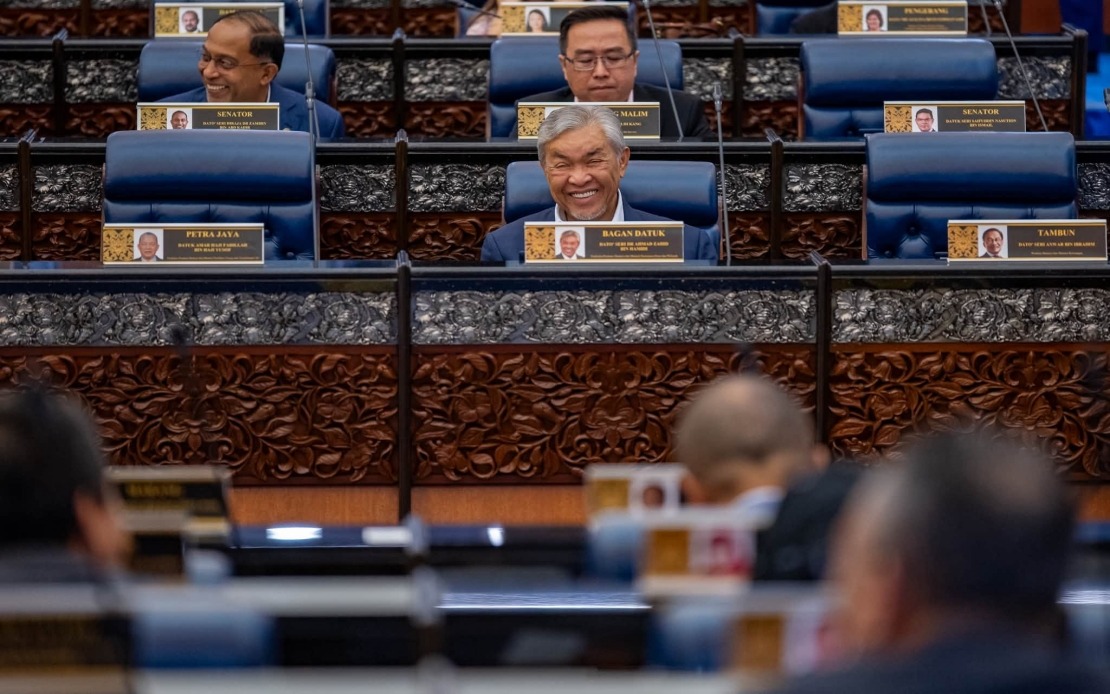
Deputy Prime Minister Datuk Seri Dr Ahmad Zahid Hamidi has underscored the importance of linking constructive criticism of Lembaga Tabung Haji (TH) with meaningful remedial steps, asserting that this approach is vital for preserving the standing of Malaysia's largest Islamic financial institution. Speaking after a special parliamentary sitting convened to examine findings from the Royal Commission of Inquiry into TH's operations, Zahid emphasized that words alone are insufficient without follow-through action to address identified shortcomings and restore stakeholder confidence.
The Deputy Prime Minister, who also serves as Minister of Rural and Regional Development, framed the debate as an opportunity to move beyond prolonged controversies that have dogged the institution. His comments reflect government concern that repeated discussions without concrete measures risk eroding public trust in an organisation entrusted with the savings of millions of Malaysian pilgrims and Muslim investors. By calling for responsibility to accompany criticism, Zahid appears to be signalling that Parliament's role extends beyond identifying problems to demanding tangible accountability and reform.
The special Dewan Rakyat sitting represented a significant moment of institutional transparency, having been convened following the government's decision to declassify the RCI report on July 29. This move granted elected representatives unprecedented access to examine the commission's detailed findings and debate its 25 recommendations for improving TH's governance, management systems, and operational frameworks. The public disclosure itself marks a departure from earlier reticence surrounding TH's internal difficulties, reflecting broader recognition that opacity surrounding the institution only deepens public scepticism.
The RCI investigation had examined TH's performance across a six-year period spanning 2014 to 2020, a timeframe that encompasses several management transitions and significant financial challenges faced by the institution. The commission's work identified multiple governance weaknesses and operational deficiencies that contributed to financial losses and reputational damage. By establishing a formal inquiry and subsequently making findings available to Parliament, the government demonstrated acknowledgement that TH's problems require systematic scrutiny rather than administrative discretion alone.
TH has already demonstrated responsiveness to the RCI's remedial roadmap, with the institution implementing approximately 75 per cent of the 25 recommendations by late July—a relatively swift implementation rate suggesting institutional willingness to reform. This progress indicates that criticism, when paired with clear directives and monitoring mechanisms, can catalyse genuine change within large bureaucratic entities. However, Zahid's intervention suggests that further vigilance is necessary to ensure momentum is sustained beyond the initial implementation phase.
The Deputy Prime Minister's appeal for wisdom and sincerity in addressing the matter reflects the sensitive nature of TH's circumstances. The institution serves approximately 8.3 million members and holds approximately RM50 billion in assets, making its stability a matter of profound concern for millions of Malaysian families dependent on its pilgrimage services and investment returns. Any sustained loss of public confidence could precipitate withdrawals and undermine TH's financial position, creating a self-reinforcing cycle of deterioration.
Zahid's Facebook statement also carried implicit caution against what he termed "excessive allegations" or claims "without being based on the truth." This language suggests government concern that parliamentary scrutiny could extend into speculation or politically motivated attacks rather than evidence-based analysis. The tension between robust oversight and fair treatment remains evident, particularly given the institution's historical governance failures and the legitimate public interest in accountability.
The timing of the parliamentary debate occurs as Malaysia's Islamic finance sector faces increasing scrutiny from both domestic stakeholders and international observers. TH's travails have raised broader questions about governance standards within government-linked Islamic institutions and whether Malaysia's regulatory frameworks adequately protect retail investors and pilgrims. The debate therefore carries implications beyond TH's immediate circumstances, potentially influencing how other Islamic institutions are monitored and managed.
For Malaysian pilgrims, the RCI process and subsequent parliamentary engagement represent a mechanism through which their concerns are formally acknowledged and addressed. Many members experienced financial disappointment during TH's troubled years, with some promotional packages underperforming expectations and administrative delays affecting pilgrimage arrangements. The institutional response to criticism, measured through implementation of recommendations, offers a tangible metric by which members can assess whether TH is genuinely reforming or simply engaging in public relations exercises.
The parliamentary sitting itself provided an arena where various political constituencies could voice concerns regarding TH's management while being bound by evidentiary standards and collegial expectations. This structure distinguishes parliamentary debate from unfiltered public discourse, potentially yielding more constructive engagement with systemic problems. Zahid's emphasis on responsibility accompanying criticism implicitly validates this parliamentary role while cautioning against its misuse for partisan purposes.
Moving forward, TH's trajectory will depend substantially on whether identified weaknesses are thoroughly addressed and whether new governance structures prove effective in preventing recurrence of past problems. The institution faces the dual challenge of restoring member confidence while implementing complex operational reforms. Success requires both sustained implementation of RCI recommendations and the kind of public accountability that parliamentary oversight provides.
For Southeast Asian observers, TH's experience offers lessons about governance standards within large Islamic institutions managing pooled savings. Several regional neighbours operate similar pilgrimage funds and investment vehicles, and TH's reform process may influence how they approach institutional accountability and transparency. The Malaysian government's willingness to commission an independent inquiry and publicise findings represents a relatively progressive approach within the regional context, though debates continue regarding whether reforms are sufficiently ambitious.

