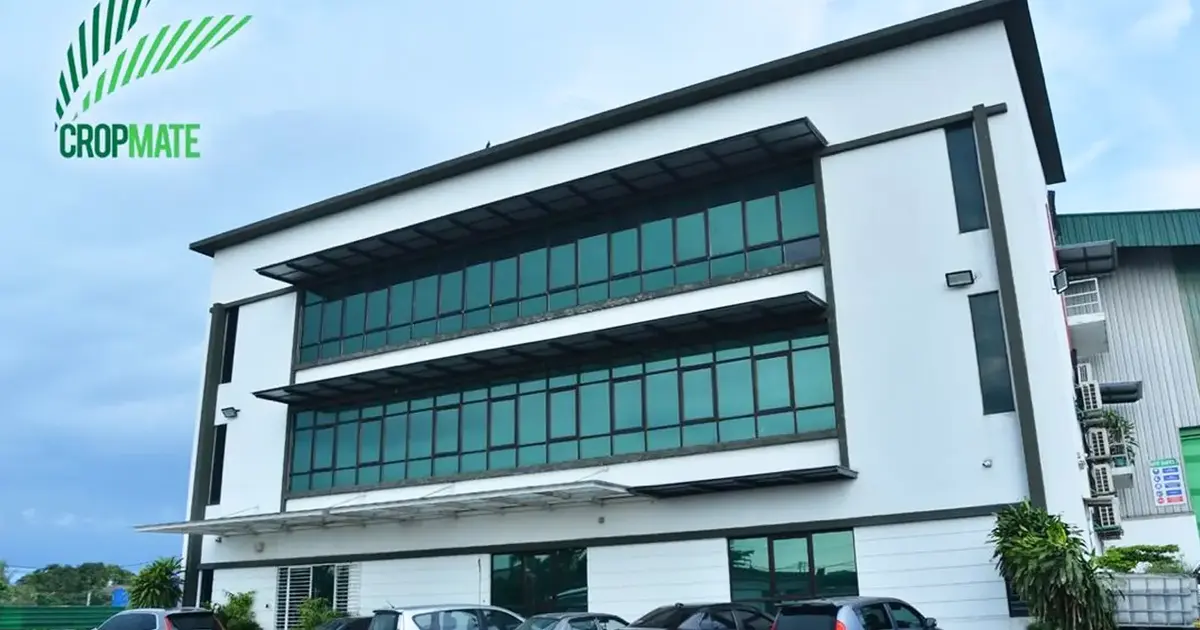
Cropmate, a fertiliser manufacturer operating in the region, has announced that its previously frozen bank accounts have been released, marking a potential resolution to what appears to have been a liquidity crisis affecting the agricultural inputs supplier.
The company's statement carries significant weight for stakeholders who have been monitoring the situation closely. Bank account freezes typically occur when regulatory authorities or law enforcement agencies initiate investigations, and their release generally signals either the conclusion of investigative procedures or a shift in the legal posture regarding the company's operations. For Malaysian investors, suppliers, and customers dependent on Cropmate's fertiliser products, the unfreezing represents a return to operational normalcy and renewed access to working capital.
Crucially, Cropmate has emphasised that no members of its workforce, spanning from rank-and-file employees through to the senior executive leadership and board of directors, have been subjected to arrest or formal criminal charges. This assertion addresses what would otherwise be significant governance and reputational concerns. The absence of arrests among company officials suggests that any investigation undertaken by authorities did not result in identifying individual wrongdoing that would warrant detaining senior personnel or pursuing criminal prosecutions.
The fertiliser industry forms a vital backbone of Southeast Asia's agricultural economy, particularly in Malaysia where palm oil production, rice farming, and other commodity crops depend heavily on steady supplies of quality fertilising agents. Any disruption to major fertiliser suppliers creates downstream consequences that ripple through farming communities and agribusiness operations. Cropmate's restored banking capacity means the company can resume procurement activities, pay suppliers, and meet obligations to customers without the severe operational constraints imposed by frozen accounts.
The timing of this development carries implications for the broader regional agricultural sector. Malaysia's agricultural productivity and competitiveness in global commodity markets rest partly on reliable access to chemical inputs. When a significant fertiliser firm experiences banking difficulties, it can lead to supply shortages that force farmers to seek alternative suppliers, often at higher cost or with different product quality. Cropmate's restoration to full banking operations helps stabilise the supply chain and provides certainty to the farming constituencies that depend on the company.
From a corporate governance perspective, the distinction Cropmate draws between frozen accounts and criminal charges is important. Account freezes can occur in circumstances ranging from civil disputes to regulatory compliance matters, without necessarily implying that individuals within an organisation have committed crimes. The company's clarification that directors remain uncharged and unarrested protects the reputational standing of its leadership team, which is essential for maintaining stakeholder confidence and enabling the business to rebuild commercial relationships that may have been strained during the period of financial restriction.
The resolution also carries implications for Cropmate's financial position and future operations. Frozen bank accounts create immediate cash flow problems that can threaten a company's survival, forcing it to miss payroll obligations, default on supplier contracts, and fail to service existing debt. The release of these accounts allows Cropmate to address any accumulated arrears and restore its reputation as a reliable business partner. This rehabilitation is crucial in agricultural industries where trust and consistent supply matter enormously to customers.
For the Malaysian regulatory environment, this outcome demonstrates the functioning of official processes—whether investigative, judicial, or administrative—that eventually reach conclusions permitting businesses to resume normal operations. The restoration of Cropmate's accounts without any requirement for criminal prosecutions suggests that authorities determined there were no substantive criminal matters requiring prosecution, which is also relevant information for the broader business community watching how agencies handle complex corporate situations.
The agricultural sector in Malaysia and the broader region will likely view Cropmate's return to operational status as a positive signal. A fertiliser supplier restored to full banking capacity can commit to inventory building, secure supply contracts with confidence, and invest in maintaining its market position. These operational improvements filter down to farmers and agricultural businesses that depend on reliable, competitively priced fertiliser availability throughout the growing season.
Looking ahead, Cropmate's challenge will involve not only managing its immediate operational recovery but also rebuilding commercial relationships and market trust following the period of account restrictions. The company will need to demonstrate sustained operational stability, meet all its contractual obligations with precision, and communicate transparently with suppliers and customers about its financial health. Success in these areas will be essential for the company to return to full competitive strength and secure its position as a reliable supplier in Malaysia's agricultural ecosystem.

