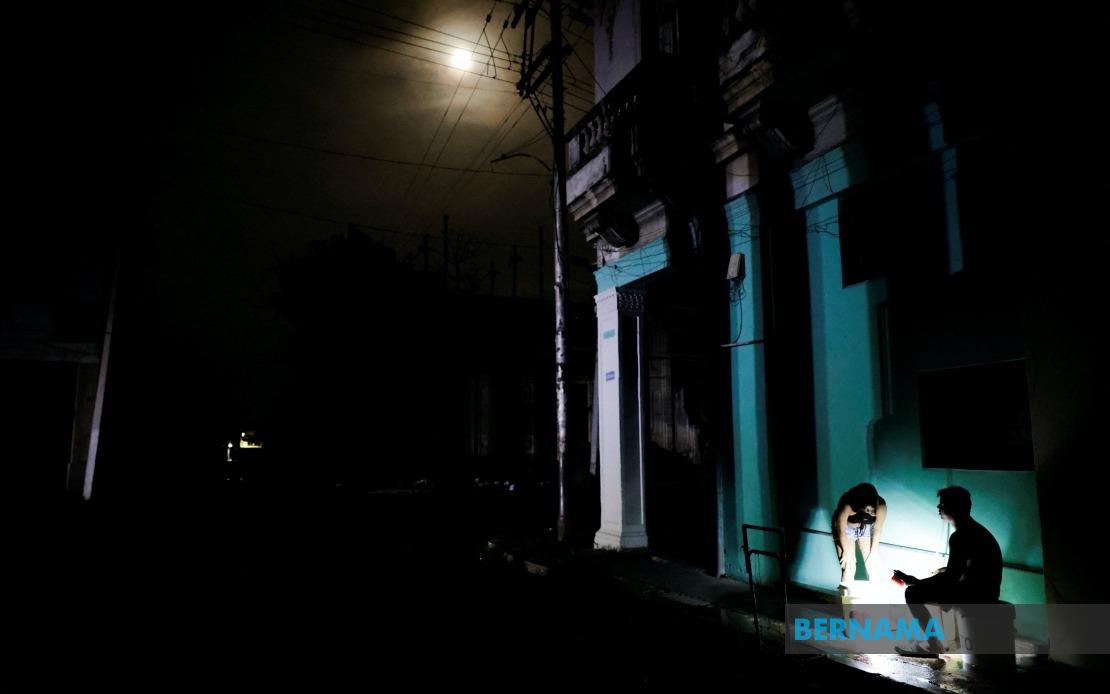
Cuba has been thrust into darkness once again following a complete failure of its national power grid, marking another crisis in an increasingly unstable energy system that has crippled the Caribbean island. The state-owned electricity utility confirmed the collapse of the electrical network on Sunday, leaving millions without access to power across the country. No immediate explanation was provided regarding the circumstances that precipitated the grid failure, though authorities acknowledged the blackout had descended across all regions simultaneously.
This latest incident represents the first major outage recorded in August, yet it arrives as part of a worrying acceleration in the frequency of such incidents. During July alone, Cuba endured three separate nationwide blackouts, suggesting a deteriorating trajectory in the nation's ability to maintain consistent power supply. The pattern underscores how fragile the island's energy infrastructure has become, with little respite between successive failures offering residents or businesses any meaningful opportunity to stabilise operations or replenish reserves.
The relentless blackouts have fundamentally transformed how ordinary Cubans manage their daily existence. Residents have adapted to a precarious existence where they must seize opportunities to perform essential tasks—cooking meals, washing clothes, accessing internet services, or attempting to cool homes during oppressive summer temperatures—whenever electricity happens to be available. This unpredictability has created a society where planning becomes nearly impossible, forcing families to constantly improvise and adjust their routines based on whether power is flowing at any given moment.
The Cuban government has acknowledged the severity of the crisis and has begun implementing a series of reform measures intended to ease the persistent energy shortages whilst simultaneously stimulating economic activity. Prime Minister Manuel Marrero Cruz unveiled these initiatives in July, presenting them as part of a longer-term restructuring strategy. One significant development involves the formal approval of the country's first foreign investment venture specifically designed to import and distribute fuel, marking a notable shift in Cuba's approach to securing energy supplies through international partnerships.
Beyond fuel importation, the government has substantially expanded the commercial landscape by authorising nearly 200 private businesses to participate in wholesale fuel distribution networks. This represents a meaningful departure from Cuba's traditionally state-dominated energy sector, reflecting a pragmatic recognition that private sector involvement might accelerate solutions to the acute shortages afflicting the nation. The regulatory shift signals official willingness to embrace market mechanisms that were previously restricted or prohibited.
Simultaneously, policymakers have moved to liberalise the tourism sector by approving new measures that permit private investment in hospitality and related industries. This opening reflects understanding that tourism revenue could significantly bolster foreign exchange reserves and provide capital for infrastructure improvements, including energy systems. The diversification of economic activity is intended to generate resources that can eventually be redirected toward addressing the underlying deficiencies in power generation and distribution.
However, Prime Minister Marrero has tempered expectations by emphasising that meaningful results from these reforms will materialise only gradually. His July statement that the country was entering "the most important, and perhaps the most difficult, stage" of the transformation process reflected realistic acknowledgement of the challenges ahead. The government has explicitly cautioned that incremental progress will characterise the coming months and years, with no prospect of rapid relief from the energy crisis that currently grips the nation.
For Malaysia and other Southeast Asian nations observing Cuba's struggles, the situation offers cautionary insights into the vulnerabilities that arise when energy infrastructure deteriorates without sufficient investment and maintenance. Cuba's predicament demonstrates how cascading failures in power systems can paralyse entire economies and compromise basic living standards. The island's experience highlights the strategic importance of energy diversification, infrastructure resilience, and the potential necessity of engaging international capital and expertise when domestic resources prove insufficient.
The broader geopolitical context cannot be ignored. Cuba's energy crisis reflects not only infrastructure decay but also the consequences of sanctions, limited access to international credit markets, and geographic constraints that restrict trading relationships. These factors have compounded the technical challenges of maintaining and upgrading a power system strained by aging equipment and insufficient fuel supplies. As the Caribbean nation pursues economic opening and foreign investment, the success of these initiatives will likely determine whether the recurring blackouts that have become routine become gradually less frequent or whether the nation descends further into energy insecurity.

