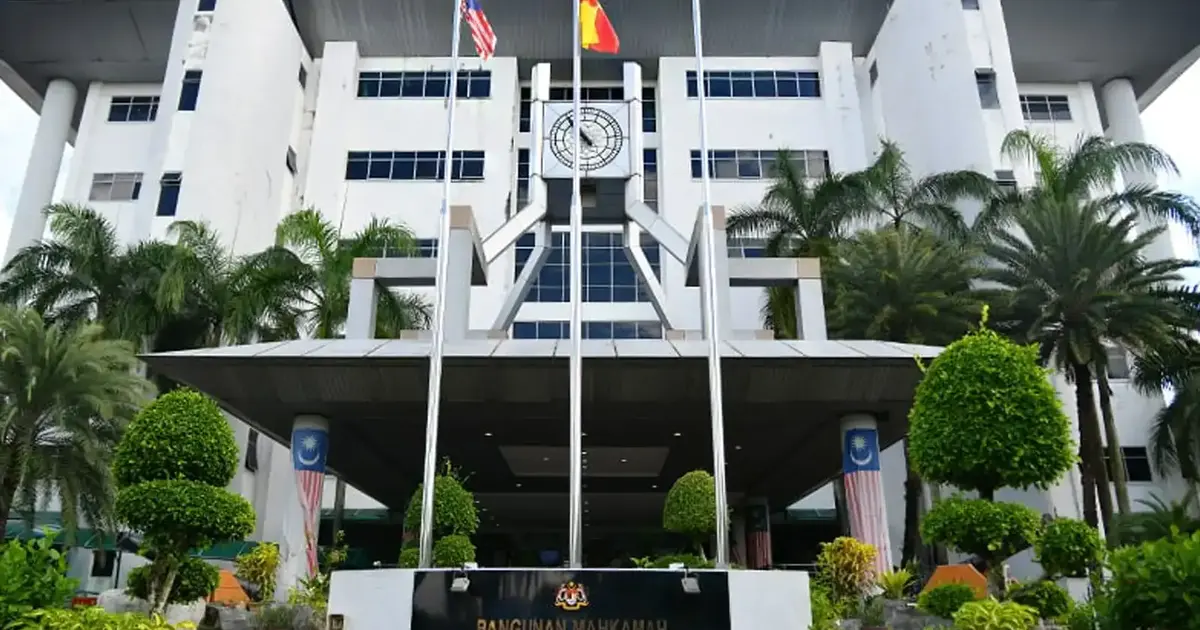
A customs officer has formally claimed trial to charges of accepting a substantial bribe allegedly intended to terminate an official investigation. Fareez Akhmal Yusuf faces allegations of receiving RM15,000 in cash on June 29 from a 50-year-old individual suspected of involvement in an unspecified matter under customs jurisdiction.
The emergence of this case underscores persistent concerns about corruption within Malaysia's law enforcement and regulatory agencies. Customs officers occupy a position of significant authority over import and export operations, tax collection, and contraband investigations—making the integrity of the service critically important to the nation's economic and security interests. When officials abuse this trust to protect suspects from accountability, the consequences ripple through legitimate businesses and undermine public confidence in institutional governance.
Fareez Akhmal Yusuf's decision to claim trial rather than plead guilty suggests the defence will contest the prosecution's allegations. The claiming of trial initiates a full judicial hearing process where the burden of proof remains on the state to establish guilt beyond reasonable doubt. This procedure allows the accused to mount a formal legal challenge and permits the court to scrutinise the evidence presented by authorities investigating the allegations.
The specific sum of RM15,000 points to a relatively high-value attempted corruption. Such amounts typically suggest a suspect facing serious consequences—potentially significant customs violations, smuggling operations, or import tax evasion—and indicates the alleged inducement was calibrated to motivate official leniency. The incident's timing in late June raises questions about what investigation the payment was purportedly designed to terminate and whether other parties were involved in facilitating the transaction.
Anti-corruption agencies in Malaysia have ramped up scrutiny of customs operations in recent years following multiple high-profile cases involving officers accused of facilitating smuggling and accepting illegal payments. The Malaysian Anti-Corruption Commission (MACC) has prioritised investigations within the Royal Malaysian Customs Department, recognising that compromised officials can expose the nation to significant revenue loss and enable trafficking of contraband ranging from goods to narcotics. Each substantiated case of corruption erodes the department's operational credibility and complicates legitimate trade.
The identity and background of the 50-year-old suspect remain publicly unclear, though the customs connection suggests possible involvement in trade violations, excise duties, or regulated goods. Understanding whether this individual operated as an isolated actor or within a larger network of corrupt relationships becomes pivotal to assessing the scope of potential institutional compromise. Authorities investigating the matter may pursue parallel inquiries into related transactions and other officials potentially connected to the suspect.
For Malaysian businesses engaged in legitimate customs operations, such cases create collateral difficulties. When officers are diverted by corruption and internal investigations, processing times for legitimate shipments may extend, and compliance requirements can become unpredictable as corrupt pathways compete with proper procedures. Multinational enterprises and small traders alike benefit from a customs service functioning according to published rules rather than ad hoc arrangements dependent on personal connections or illicit payments.
The trial process will likely extend over several months as prosecution and defence present evidence, witness testimony, and documentary records. The court must evaluate the credibility of the accuser, examine whether proper investigative procedures were followed, and determine whether the evidence meets the criminal threshold. Any conviction would result in disciplinary action beyond criminal penalties, including dismissal from the service and potential forfeiture of pension entitlements depending on sentencing provisions.
Regionally, Malaysia's corruption cases within customs and regulatory bodies are monitored by international trade and governance observers. Foreign investors and trading partners assess institutional reliability based partly on enforcement consistency and official integrity. Publicised cases of corruption can temporarily damage perceptions, though transparent prosecution and conviction also signal institutional commitment to accountability—a factor that may ultimately strengthen confidence in reformed operations.
The outcome of Fareez Akhmal Yusuf's trial will carry implications beyond the individual defendant. A conviction strengthens MACC's deterrent messaging to other potential offenders; an acquittal may raise questions about investigation quality or evidentiary standards. Either result will be scrutinised by civil society organisations monitoring anti-corruption efforts and by other customs officials calculating the actual risk attached to similar misconduct. The case exemplifies the perpetual challenge facing institutional reformers: establishing sufficient deterrence and accountability to reshape organisational culture while maintaining operational capacity.
As the trial proceeds through Malaysia's courts, the case will contribute to the broader national conversation about corruption prevention within frontline government agencies. Customs operations remain vulnerable to misconduct given the high-value transactions, discretionary authority, and private-sector incentives involved. Sustained commitment to investigation, prosecution, and institutional reform remains essential to protecting both revenue integrity and public trust in government.

