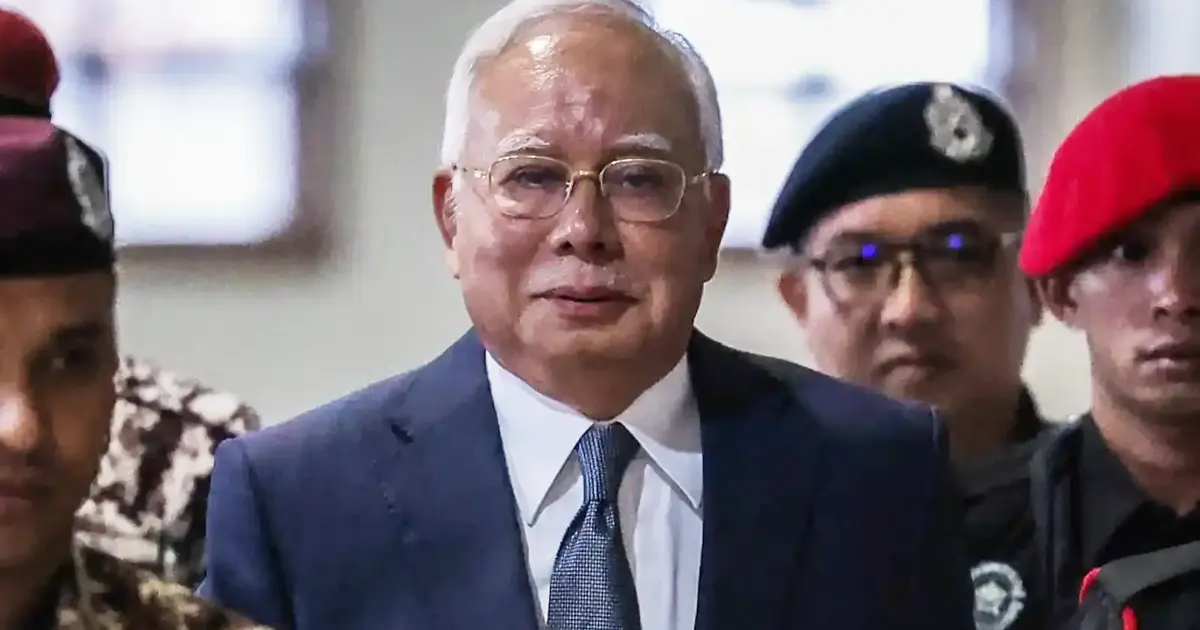
The question of whether Malaysia's Chinese-based coalition partner endorses efforts to secure a full pardon for imprisoned former Prime Minister Najib Razak has emerged as a point of tension within the ruling Barisan Nasional alliance, with DAP politician Ong Hui Xue pressing the MCA for transparency on the contentious issue.
Ong's intervention comes as senior Umno figures continue to campaign openly for Najib's release, reigniting debate about judicial independence and accountability in Malaysian politics. The former premier remains behind bars following his 2023 conviction in connection with the 1Malaysia Development Berhad scandal, one of the country's most significant financial corruption cases. His continued incarceration has become a rallying point for certain factions within the Malay-Muslim dominated party, who argue that sufficient time has been served and that broader reconciliation would benefit national unity.
The MCA, historically positioned as a moderate voice within the Barisan coalition, has maintained a notably measured public posture on the matter, declining to align explicitly with either those demanding Najib's immediate freedom or those opposing clemency. This studied ambiguity has drawn scrutiny from opposition figures who view it as evasive. Ong's challenge effectively forces the party's hand, demanding that it articulate a clear position rather than remaining silent while its coalition partner escalates calls for intervention.
The dynamic reflects deeper structural tensions within Malaysia's governing coalition. The Barisan comprises parties representing different ethnic and religious constituencies, each with distinct political constituencies and interests. For the MCA, taking a strong stance either way carries electoral consequences. Supporting Najib's release risks alienating urban, educated voters and anti-corruption advocates who view the former premier's downfall as essential to rule-of-law reform. Conversely, opposing such calls might be perceived as insufficient loyalty to Barisan solidarity, particularly as the coalition seeks to present a united front against opposition challenges.
The pardon question also intersects with Malaysia's broader reckoning with accountability in governance. Najib's conviction was widely viewed internationally as demonstrating judicial strength and commitments to combating elite corruption. Reversing or substantially mitigating his sentence through executive clemency could signal retreat from that position, with implications for investor confidence and Malaysia's international standing. These considerations likely weigh on the MCA's calculus as it navigates internal coalition politics.
Umno's intensifying campaign reflects the party's internal dynamics and electoral strategy. Najib retains significant support among grassroots Umno members and certain community segments, particularly in rural areas and among those nostalgic for the party's dominance during his premiership. Positioning itself as championing his cause allows Umno leadership to mobilize this base and maintain relevance in internal party competition. However, the campaign also opens Umno to criticism about disrespecting judicial processes and prioritizing political loyalty over institutional integrity.
The timing of renewed pressure also carries significance. Malaysia continues navigating broader governance transitions, anti-corruption reforms, and attempts to rebuild institutional credibility after years of political turbulence. Sustained calls for Najib's pardon, particularly if coordinated across multiple government parties, could undermine broader narratives about institutional reform and the sanctity of legal processes. This puts coalition partners like the MCA in an especially delicate position.
For the DAP, Ong's intervention serves multiple purposes. It demonstrates the party's commitment to accountability principles central to its political identity while simultaneously exposing potential contradictions within the ruling coalition. By directly questioning the MCA's position, the DAP creates political space for itself as an anti-corruption voice even while sharing government with parties that may be sympathetic to Najib's plight. This approach capitalizes on public concern about judicial independence and the rule of law.
The question also reflects evolving Malaysian political culture around transparency and coalition accountability. Rather than allowing coalition partners to obscure their positions through silence, political actors are increasingly pressing for explicit statements. This shift toward demanding clarity from governing partners mirrors broader expectations for transparent governance and principled positioning on significant issues.
The MCA's eventual response will likely reveal much about coalition dynamics and each party's priorities heading into future electoral contests. A clear stance against clemency would distance the party from controversial elements within Umno but might invite accusations of disloyalty. Supporting the pardon campaign would align with coalition unity but potentially alienate segments of the MCA's urban, Chinese-educated base increasingly concerned with governance standards.
Meanwhile, the sustained focus on Najib's status keeps the corruption issue in public consciousness, preventing it from receding from political discourse despite his imprisonment. This renewed attention underscores that Malaysia's battle against elite wrongdoing remains contested terrain, with different political actors advancing divergent visions of accountability, reconciliation, and the proper role of executive power in the justice system. How the MCA addresses Ong's challenge will signal its genuine commitment to anti-corruption principles.

