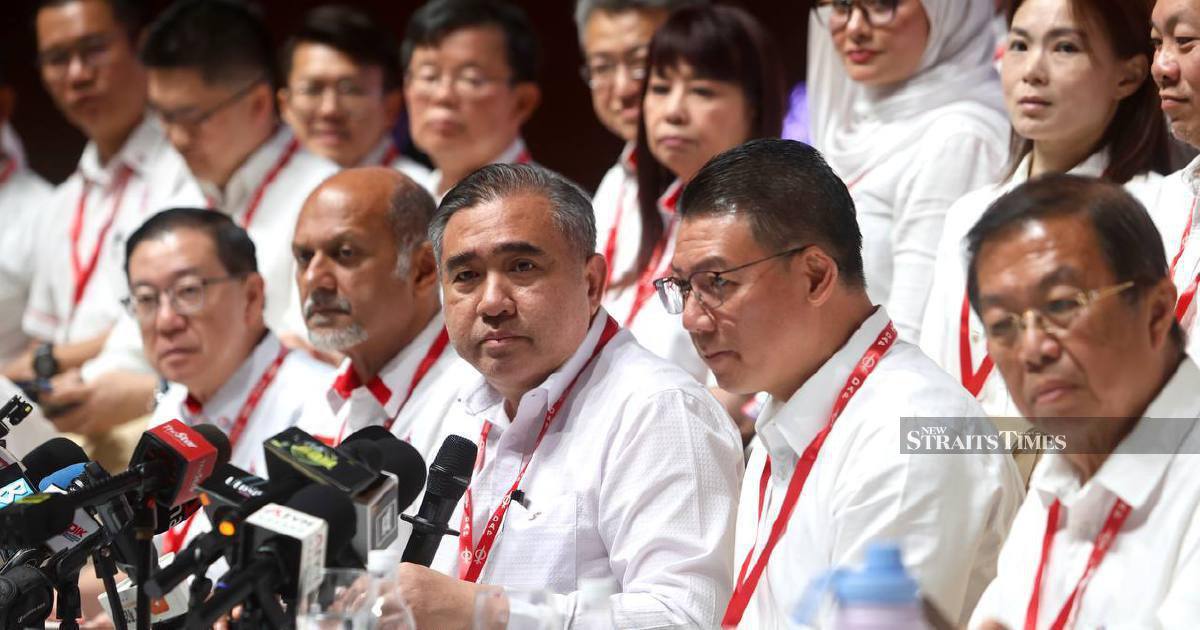
The Democratic Action Party has signalled its determination to preserve its political partnership with Umno, even as the coalition experiences turbulence following the controversial discharge ruling granted to Barisan Nasional chairman Datuk Seri Ahmad Zahid Hamidi. The commitment, articulated by senior party leadership, underscores the pragmatic calculations underlying Malaysia's ruling coalitions and reflects the delicate equilibrium required to maintain parliamentary stability.
The discharge not amounting to an acquittal (DNAA) decision in Zahid's corruption trial has created considerable friction within government circles. The ruling means charges against the Umno veteran were dismissed without determining guilt or innocence, a legal distinction that has provoked criticism from transparency advocates and sparked debate within the multiethnic coalition supporting the Pakatan Harapan-led administration. For many observers, the outcome appeared to legitimise a powerful politician whilst simultaneously failing to provide judicial closure on serious allegations.
Within DAP itself, the decision prompted visible discontent among party members who view the outcome as incompatible with the anti-corruption mandate that initially drove the coalition to power in 2018. The party's base harbours longstanding scepticism toward Umno, rooted in decades of partisan competition and ideological differences. The DNAA ruling therefore created an uncomfortable narrative tension for DAP leaders attempting to justify continued collaboration with their erstwhile rivals.
Despite these pressures, DAP's senior officials have determined that fragmenting the government coalition would prove counterproductive to advancing the party's legislative agenda and delivering tangible benefits to constituent communities. The decision reflects a mature recognition that Malaysia's political architecture demands compromise and coalition-building, particularly when no single party commands an outright parliamentary majority. Breaking ranks would risk destabilising the government and potentially forcing new elections, an outcome that could favour opposition forces currently posing significant electoral threats.
The partnership between DAP and Umno, paradoxically, emerged from the unusual political reconfiguration that followed the 2022 general election, when both parties found themselves in the same governing coalition. This arrangement would have been unthinkable a decade earlier, yet contemporary Malaysian politics increasingly operates according to pragmatic rather than ideological imperatives. DAP recognised that withdrawing from the coalition would diminish its influence over government policy whilst simultaneously damaging the infrastructure projects, social programmes, and administrative reforms that benefit its urban and multiethnic voter base.
Zahid's DNAA presents a test of this political flexibility. The Umno chairman, who chairs the Barisan Nasional coalition and maintains significant sway within his party and the broader Malay-Muslim political establishment, faces allegations stemming from his tenure as Home Minister. The decision by the court effectively shields him from further legal jeopardy whilst enabling critics to assert that the judicial system failed to deliver accountability. For DAP, the situation demands careful navigation to preserve credibility with core supporters who view corruption with particular seriousness whilst maintaining the partnerships essential for governing.
The implications for Malaysian governance extend beyond the immediate coalition dynamics. The DNAA ruling has renewed debate regarding judicial independence, the integrity of prosecution processes, and the political calculations that appear to influence legal proceedings involving high-ranking figures. These concerns resonate across the broader electorate and particularly among younger voters who supported reform movements. DAP's decision to maintain coalition discipline despite internal dissent signals that the party prioritises governmental continuity over symbolic gestures of principle.
Regionally, Malaysia's coalition arrangements hold significance for Southeast Asia's democratic development. The country's experience in managing multiethnic, multi-ideological governing coalitions—however imperfectly—offers lessons for other regional democracies navigating similar pluralistic challenges. The present situation demonstrates that maintaining such coalitions requires accepting uncomfortable compromises and shelving certain grievances in service of broader political stability and programmatic delivery.
Looking forward, DAP faces the challenge of sustaining this coalition whilst simultaneously addressing party members' concerns about accountability and anti-corruption standards. The party's leadership must frame continued Umno collaboration as essential to implementing policies beneficial to marginalised communities, expanding economic opportunities, and advancing democratic reforms. This messaging becomes more persuasive when coupled with demonstrable government achievements in healthcare, education, infrastructure, and urban development.
The decision also reflects demographic and electoral realities confronting contemporary Malaysian politics. DAP recognises that opposing the government without offering a credible alternative framework would isolate the party from decision-making processes whilst gifting advantage to the Perikatan Nasional opposition coalition. Maintaining influence, from this perspective, requires accepting the compromises inherent in coalition governance, even when those compromises offend the moral sensibilities of certain party constituencies.
Moving forward, the sustainability of DAP-Umno collaboration will depend substantially on whether the government demonstrates tangible improvements in fighting corruption through institutional reforms, prosecuting lower-level and mid-ranking officials with vigour, and implementing systemic changes to prevent future abuses. Such measures would provide DAP with credible evidence that anti-corruption commitments remain substantive rather than performative, potentially reconciling party members to the pragmatic necessities of coalition politics.

